loader

Amalgam Replacement

Home› Treatments› Amalgam Replacement
Amalgam Replacement Treatment
Watch Video
Reviewed by Dr. Seby Varghese

Fast Facts

99% say it's "Worth It"
1500/- to 10000/-
Longevity: With proper care, ceramic inlays can last over 15 years and potentially outlast regular amalgam.
Duration: Replacing a single amalgam filling takes about 30 minutes to 90 minutes or more.

Amalgam replacement

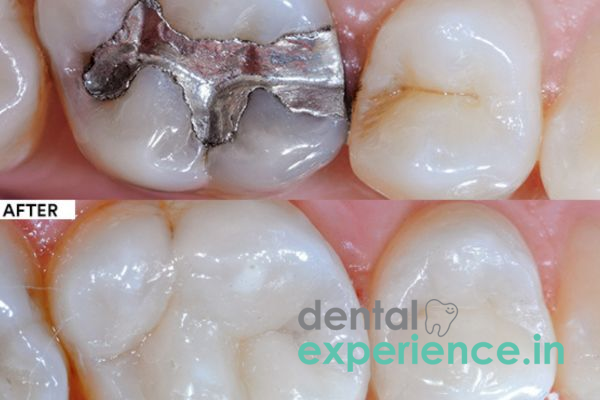
Amalgam replacement involves the safe removal of old silver (mercury) fillings and restoring the teeth with modern, tooth-colored composite materials. This procedure not only improves the appearance of your smile but also supports overall health by eliminating potential exposure to mercury.

Ask Your Question
Share this page
What is Amalgam Replacement?

Amalgam replacement refers to the dental procedure of replacing silver amalgam fillings with newer, safer, and aesthetically appealing materials like composite resins or ceramic inlays. Silver amalgam fillings used to be popular and many patients still have them. But amalgam fillings contain mercury which can lead to health issues and also environmental problems. Today, many patients and dentists in India prefer amalgam replacement for better oral health, less risky behavior, and more aesthetically pleasing smiles.

Why is it needed?

The purpose of amalgam replacement is to remove fillings that contain mercury that might pose a health concern or cause allergic reactions to an individual with a mercury sensitivity. Patients consider mercury removal for aesthetic concerns more commonly when the fillings are visible and in the anterior teeth. The replacement materials mimic the natural color of teeth and merge seamlessly with the individual’s smile.

Who Should Consider It?

Patients considered ideal for amalgam replacement include:

  • Individuals with increased sensitivity or experienced allergic reactions to amalgam.
  • Patients with amalgam fillings that are cracked or worn-down.
  • Individuals who have had comprehensive full mouth rehabilitation or seeking aesthetic dental procedures.
  • Individuals who are concerned about mercury exposure.
  • Individuals looking for natural and aesthetic therapy.


What are the Different Types?

  • There are many materials that can replace amalgam fillings, including:
  • Composite Resins: Tooth-colored, highly aesthetic, and useful for restoring small to medium restorations.
  • Glass Ionomer Cements (GIC): These materials release fluoride and can be used for filling non-load bearing areas.
  • Ceramic or Porcelain Inlays/Onlays: Highly aesthetic, highly durable, and stain resistant which is ideal for larger cavities.
  • Gold Restorations: Not used as much because of the cost, but very durable.

Each type is determined by the cavity size, position, and patient.


How is the procedure done?

  • Examination: The Dentist considers the condition of the existing amalgam fillings and plans to replace them.
  • Isolation: A rubber dam to avoid the patient inhaling mercury particles.
  • Removal of amalgams: The dentist uses high-speed suction and special burs to remove amalgams safely.
  • Cavity Preparation: The cavity is cleaned and shaped to fit the new filling.
  • Placement of Filling: The material will be bonded or cemented in place.
  • Polishing and Finishing: Final adjustments to ensure alignment and a natural appearance of the bite.

What are the benefits?

  • Better aesthetics using the natural-looking filling.
  • Avoid mercury exposure.
  • Reduction in cracking of teeth, as less expansion/contraction is likely.
  • Better bonding to the tooth structure with new products.
  • Overall better oral health and hygiene is achieved.

What make it better than alternate options?

In Comparison to amalgam, most modern restorative materials:

  • Are free of mercury and metals.
  • Have better aesthetics.
  • Can bond directly to tooth structure and save more natural teeth.
  • Have great durability when cared for properly.
  • Are not prone to galvanic shock ( sensation of electric current caused by metals).


How Durable are the Results?

Composite and ceramic fillings can last for anywhere from five to fifteen years depending on oral hygiene, materials used, and the pressure of the bite. With proper care, ceramic inlays can last over 15 years and potentially outlast regular amalgam.

How long does the procedure take?

Replacing a single amalgam filling takes about 30 minutes to 90 minutes or more. More complete replacements or indirect restorations (e.g. ceramic inlays) may take two visits to complete. Recovery is rapid and most patients can carry on with their regular daily activities.

How much does it cost?

Amalgam removal costs vary in India, depending on materials, city and, clinic:

  • Composite Filling: ₹1,500 – ₹4,000 / tooth.
  • Ceramic inlays: ₹5,000 – ₹12,000 / tooth.
  • Gold restorations: ₹10,000+ / tooth (should be rare)

Any metropolitan city, for example, Mumbai/Bangalore/Delhi charges more due to the costs of lab work and consultation fees.

What are the Risks and Complications?

Although amalgam removal is usually safe, there are certain risks:

  • Tooth sensitivity following treatment.
  • Incomplete removal of amalgam, if not done carefully.
  • Minor discomfort during, or after the treatment.
  • Allergic reaction to new material (rare).

What are the Disadvantages?

  • Higher cost than amalgam.
  • Amalgam may last longer than the replacement.
  • Requires more technique sensitivity during placement.
  • May require multiple appointments.


What are the Alternatives?

If you have amalgam fillings but replacing them is not feasible, you have choices in a lot of cases:

  • Watchful waiting; keep a close look on the existing fillings with regularly scheduled check ups
  • Preventative dental care; provide the appropriate preventive enrolled
  • Indirect restorations; same as crowns, will some cases for teeth that have more extensive damage

The best course of action will be to talk to your dentist about your individual case

 

How to care after the Treatment?

  • Avoid eating for 1-2 hours after treatment (especially for composites).
  • Maintain oral hygiene.
  • Avoid hard foods that can damage the filling.
  • Schedule regular dental appointments every 6 months.
  • Contact your dentist if you have sensitivity, or issues with bite.


Related Articles

Load More Articles

Our Store

Call Us Make an Appointment