 Treatment
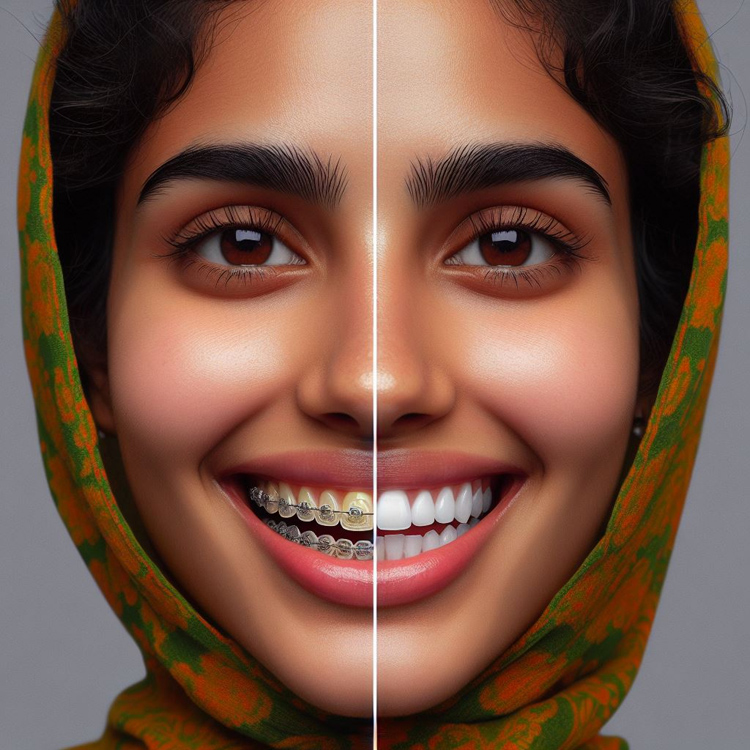
Early braces treatment for malocclusion helps correct bite and alignment issues in children at a young age, typically between 7 and 11 years old. By addressing problems like crowding, overbites, or underbites early, this treatment guides proper jaw development and can reduce the need for more complex procedures later. It ensures healthier, straighter teeth as your child grows.
Early braces treatment for malocclusion is a type of dentistry intended to diagnose and treat developing orthodontic problems in young children. This treatment can be carried out between the age of 6 and 10 years old, which is where the jaw is still developing and primary (milk) teeth are changing to permanent teeth. While traditional braces are used in teenagers or adults to treat existing malocclusions (overcrowding, overbite, underbite, crossbite), interceptive orthodontics are used to help prevent or minimize future malocclusions. Additionally, dentistry has defined interceptive orthodontics as a proactive treatment which aids in making future treatment less invasive and in some cases avoids or minimizes the need for extractions or surgery.
Paediatric interceptive orthodontic treatment aims to direct the growth and development of a child’s teeth and jaw.
The earlier the intervention, the less orthodontic treatment is required in adolescence or, in some cases, prevents the need altogether.
Individuals aged between 6 to 10 years old and display symptoms of malocclusion or irregularities in the jaw.
Common conditions that may lead to early orthodontic treatment include:
Most dentists will recommend an orthodontic screening for all children by age 7, as it allows for early detection and potential interceptive strategies.
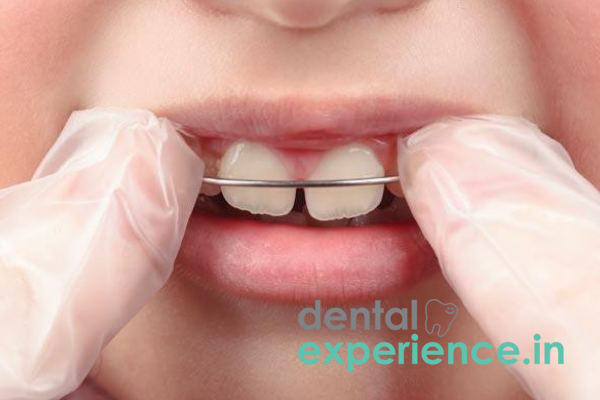
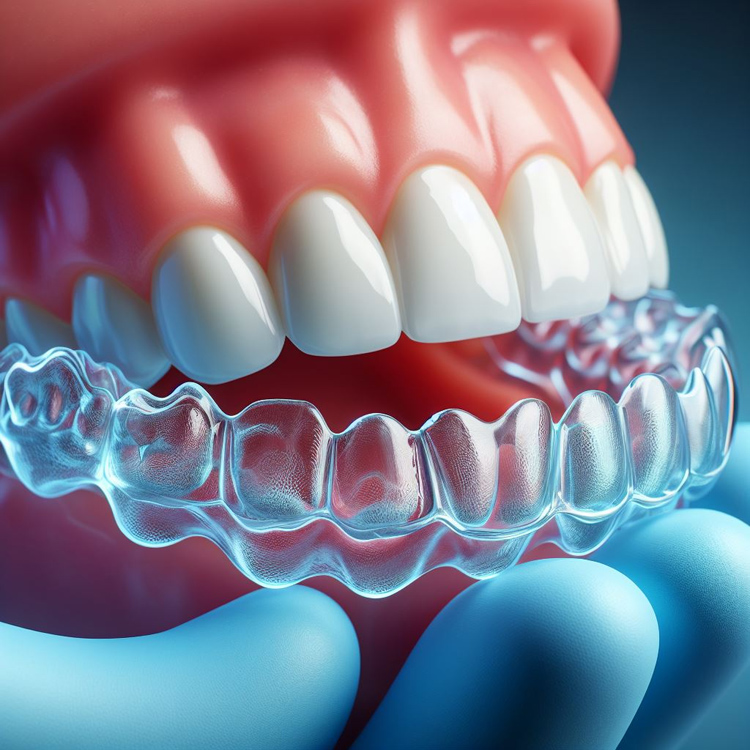
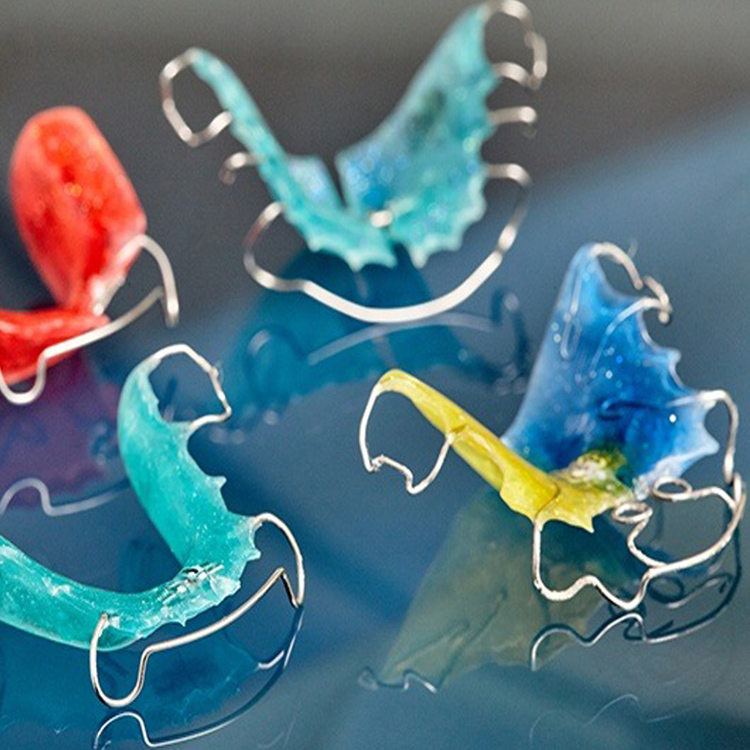
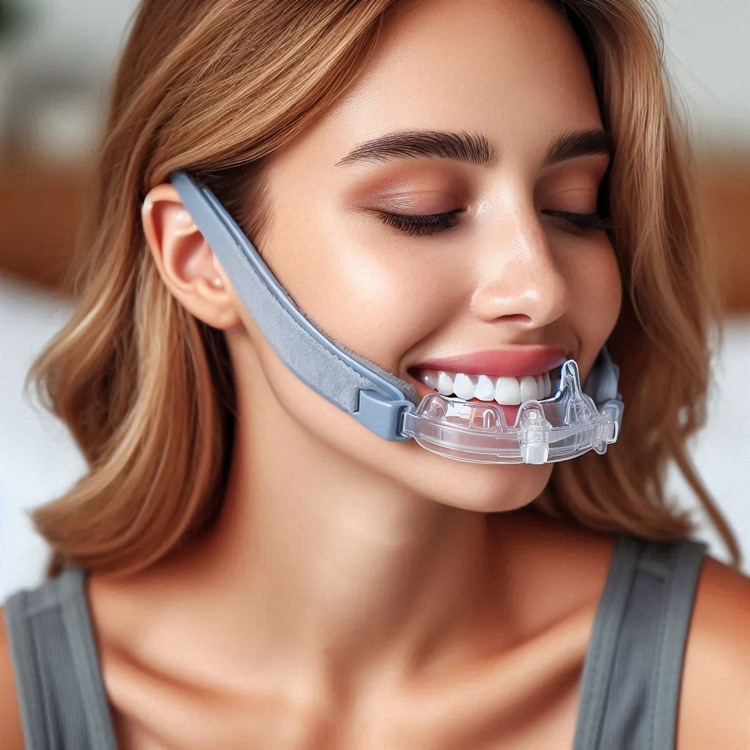
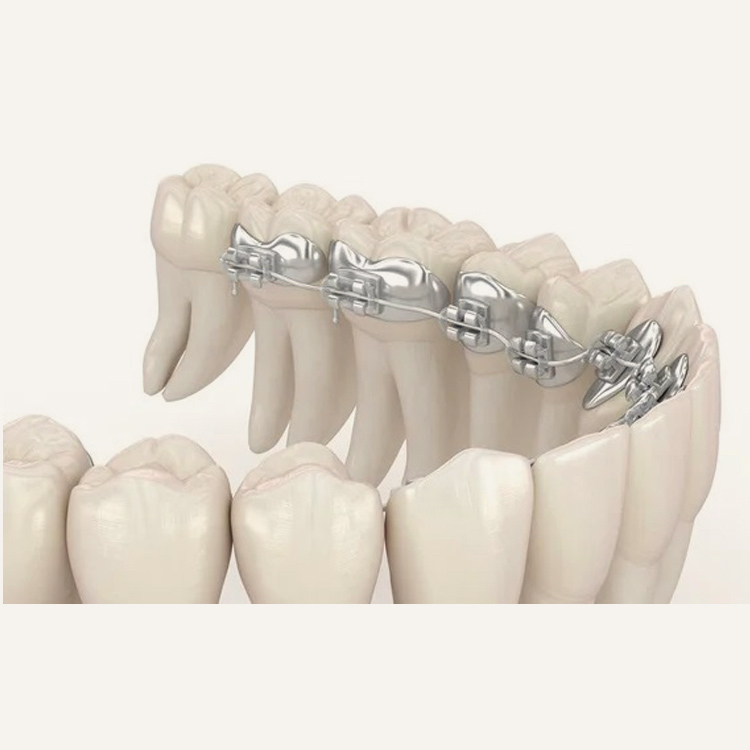
Interceptive orthodontics includes many different types of appliances and techniques for specific purposes. Some examples are:
Each appliance is designed with a specific purpose in mind and often serves to set the stage for comprehensive orthodontic treatment.
The treatment process is usually completed in different stages:
Most patients move onto a period of rest before braces are applied.
Early braces treatment provides a number of benefits.
Interceptive treatments are temporary therapies and commonly last 6 to 18 months depending on the problem being treated, but lasting results can be obtained, especially when combined with proper follow up care and any necessary second-phase braces in adolescence. Retainers may be used post treatment to maintain alignment.
Varies greatly depending on the child’s dental problem:
Full orthodontic treatment can occur into teenage years if necessary.
In India, the cost of early braces can range between ₹10,000 to ₹60,000, depending on:
Interceptive orthodontics is a relatively safe treatment; however, risks involve:
Close monitoring and regular dental check-ups can help mitigate some potential risks of interventional orthodontic treatment.
There are potential disadvantages include:
However, the benefits of early intervention can lead to substantial long-term dental health.
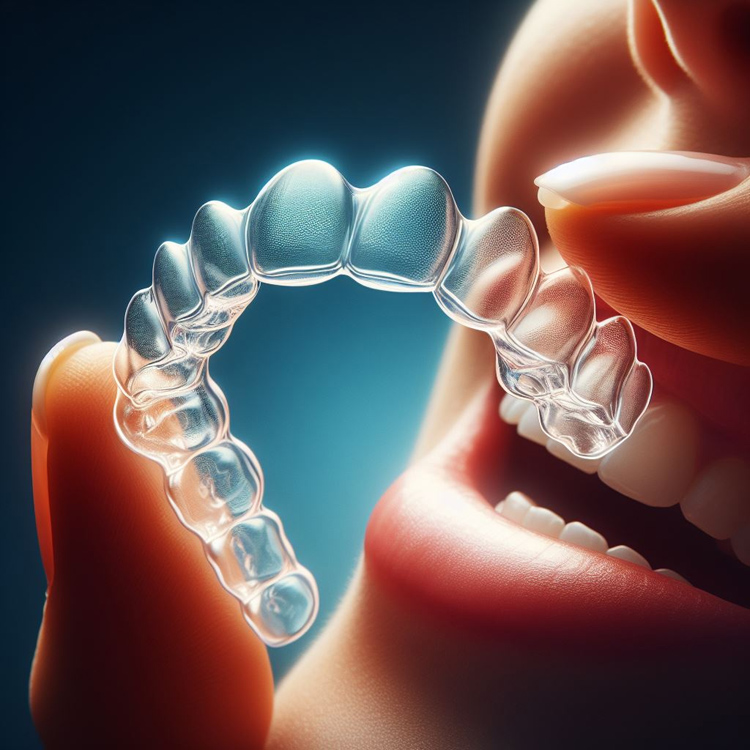
Other options to early braces treatment are:
Although not other options may offer the same preventative advantages as interceptive orthodontics in the initial years of growth.
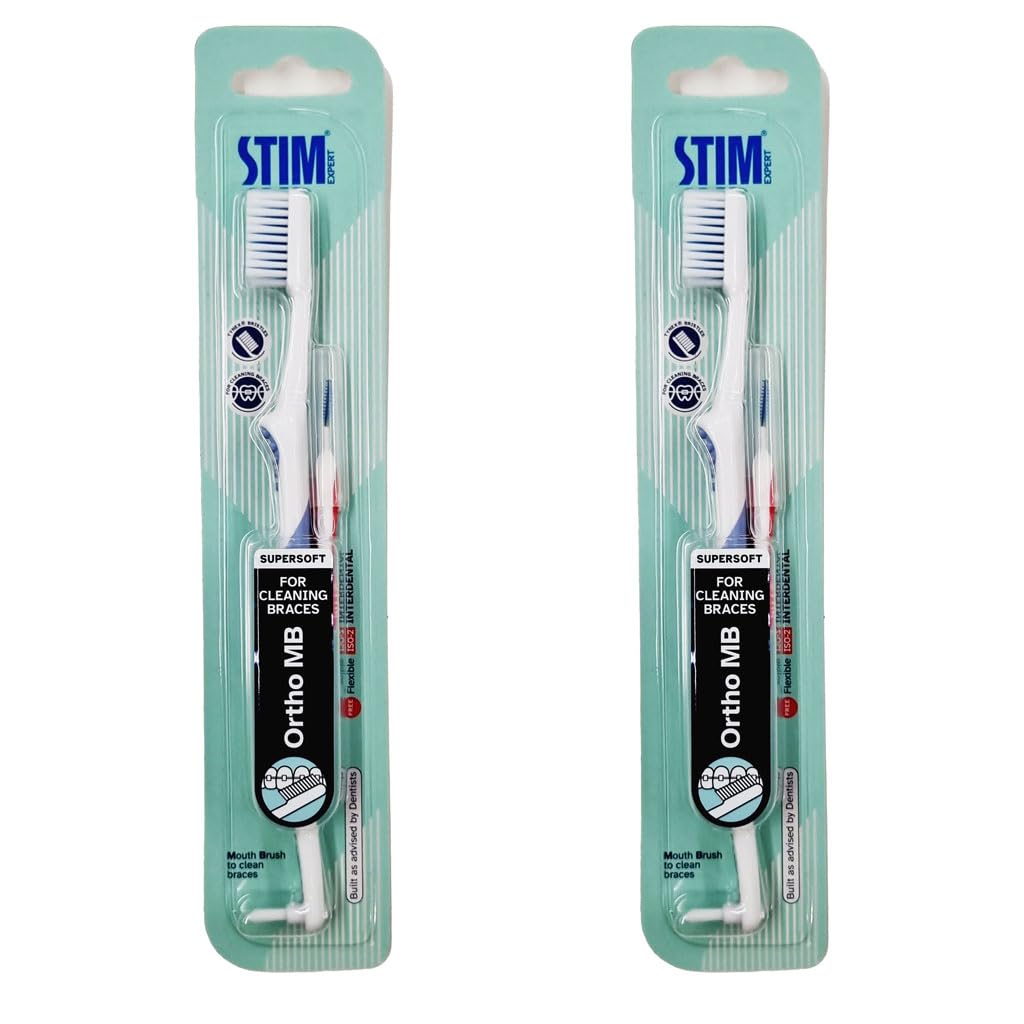
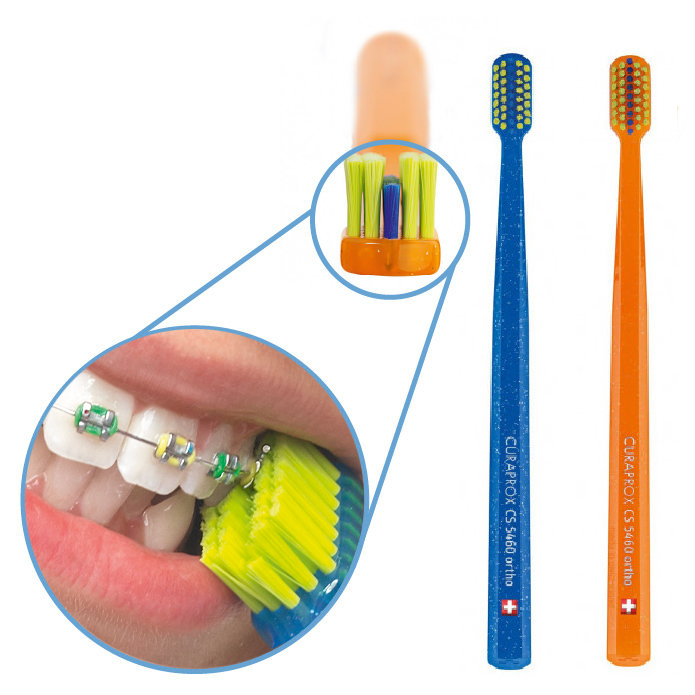
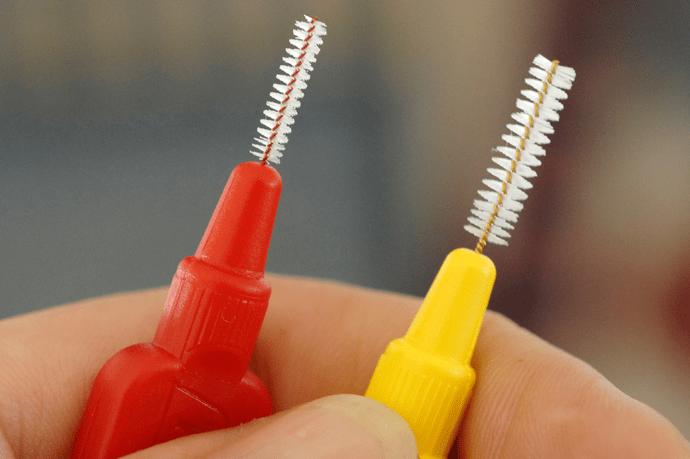
Proper aftercare will ensure any permanent results:
Parents play a vital role in supporting their child during the entire treatment phase.






.jpg)
.jpg)
.jpg)
.jpg)

.jpg)
.jpg)
.jpg)
.jpg)
.jpg)
.jpg)
.jpg)
.jpg)