loader

Extraction (Non-Surgical)

Home› Treatments› Extraction (Non-Surgical)
Extraction (Non-Surgical) Treatment
Watch Video
Authored by Dr. Sreeja Aravind
Reviewed by Dr. Seby Varghese

Fast Facts

99% say it's "Worth It"
1000-2000
Longevity: Long Term
Duration: 15-20 minutes

What is tooth extraction?

A tooth extraction is the removal of a tooth. Dentists and oral surgeons remove teeth for various reasons. some examles include Dental cavities, Gum disease, Dental infections, Trauma or injury to the tooth or surrounding bone, Wisdom teeth complications, Preparation for a dental prosthesis, Preparation for dental braces, if the teeth are very crowded and Baby teeth not falling out at the proper age.

Questions & Answers

QCan I get a replacement for my tooth after a non-surgical extraction?
Q Is a non-surgical tooth extraction better than a tooth root canal?
QWhat foods should I avoid after non-surgical tooth extraction?
QDoes non-surgical tooth extraction hurt?
QWhy is there a variation in cost for a non-surgical & a surgical extraction? How much does it cost for a simple extraction in Kochi, Kerala?
QHow much bleeding is normal after a tooth extraction?
Ask Your Question
Share this page
What is non-surgical tooth extraction means?

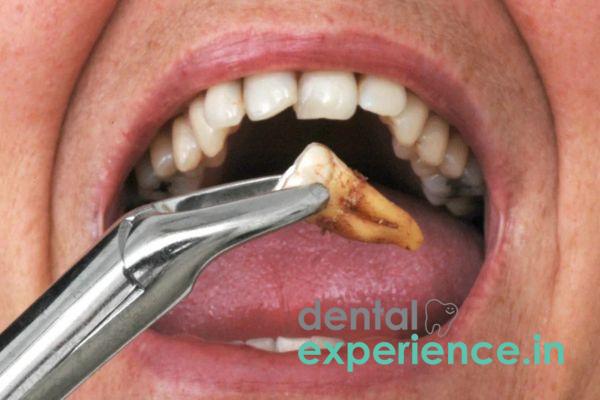
Non-surgical tooth extraction is the removal tooth from its bony socket using specific dental instruments and without making any incisions. The procedure treats teeth both visibility and accessibility wise, making it an easier and less complicated option than that of surgical extracts.

What is the purpose of non-surgical extraction?

The primary objective in a non-surgical tooth extraction is to extract a troublesome tooth, which may be severely decayed, infected, or painful. Its application is used to create space in the oral cavity and is beneficial in orthodontic treatments and prosthetic placements.

Who should consider a non-surgical extraction?

Non-surgical extraction is recommended in patients with fully erupted and visible tooth that is 

  • grossly decayed,infected,or broken beyond repair/restorative treatment,
  • with serious tooth pain or complications that can worsen,
  • people with health and recovery concerns.

Different type of Extractions

There are two types of extractions:

  • Non-Surgical Simple Extractions: Extraction of teeth that are fully erupted making use of standard dental equipment.
  • Surgical Extractions: Needed for teeth, which are broken, impacted, or inaccessible, and usually requiring cuts in the gums.

What is the procedure for non-surgical tooth extraction?

This procedure typically includes the following steps:

  • First, the dentist evaluates the tooth in question to ascertain the state of the tooth and its alignment.
  • Local anesthesia is injected to numb the area around the tooth so that the procedure is done without any discomfort.
  • Elevators are used to gently free the tooth from the socket.
  • Tooth removal from its socket is made with specially designed forceps.
  • The dentist cleans the extraction site and places freshly gauze to control bleeding and promote a clot.
  • Provides post care instructions to support proper healing & prevent complications.

Why choose non-surgical tooth extraction?

  • Instant relief from pain.
  • Prevent the spread of infection.
  • Reduces the risk associated with surgical extractions.
  • Faster recovery than surgical extractions.
  • Cost-effective as the maintenance is lower due to low complexity.

What are the advantages of teeth extraction without surgery?

  • Minimal tissue damage leads to quick recovery.
  • Patients tend to have less discomfort and inflammation after the procedure.
  • Local anesthesia with minimal side effects.
  • Shorter procedure time.

How durable are non-surgical tooth extractions?

The solution of a tooth extraction is permanent, and the tooth will not develop again. Restorative solutions such as implants, bridges, or dentures can be used to replace the tooth the patient had removed to help the patient recover their oral function.

How long does it take to remove tooth non-surgically?

The length of a non-surgical extraction varies depending on the complexity of the case and the patient's dental status. Typically that’s anywhere from 20 to 40 minutes.

How much does it cost for non-surgical extraction?

Prices vary based on location, dentist experience and other details of individual cases. Average price ₹1,000 to ₹3,500per tooth. It may also be more affordable if dental insurance can cover some of the cost.

Are there any risks from non-surgical tooth extraction?

It is mostly safe but side effects could be:

  • Infection: When bacteria enter the extraction site.
  • Bleeding/Haematoma: generally well tolerated unless protracted in a few cases.
  • Risk of damage to neighboring teeth: Rare but possible.
  • Transient pain: Swelling or tenderness after treatment.

The risks are significantly lessened with aftercare instructions.

What are the downsides of non-surgical tooth extraction?

Non-surgical extractions are possible, but they come with some downsides:

  • Loss of tooth: The native tooth is unsalvageable.
  • Aesthetic concerns: If the gaps need be filled then cosmetic or restorative options may be needed.
  • Pain and swelling: You may feel pain or swelling, temporarily, after extraction.
  • Probability of complications: If appropriate aftercare is not followed, then there is a probability of condition like dry socket or other issues can occur.

What are the other options?

Alternative options include:

  • Surgical Extraction: For teeth that are impacted or extremely decayed.
  • Root Canal Procedure: This is done to use a tooth that has been damaged due to decay or infection.
  • Restorative Procedures:  Instead of extracting a damaged tooth, fillings, crowns, or inlays may help it to recover instead.

The best one will be based on how serious the dental situation is.

The recovery phase after extraction is crucial for healthy results. Some aftercare recommendations are:

The recovery phase after extraction is crucial for healthy results. Some aftercare recommendations are:

  • Oral hygiene: Gently use a saltwater rinse 24 hours after the procedure to clean area.
  • Bleeding: Bite on gauze as directed by the dentist.
  • Treatment for pain & swelling: If needed, take over-the-counter pain medications and apply ice packs.
  • Dietary changes: You will have to eat soft foods for some days, and also avoid hot, spicy or crunchy foods.
  • Rest: Refrain from vigorous exercise that could lead to excessive bleeding.
  • Follow-up visits to evaluate healing.

Our Store

Call Us Make an Appointment