loader

Functional Appliances (Twin Block, Bionator, Frankel Appliance)

Home› Treatments› Functional Appliances (Twin Block, Bionator, Frankel Appliance)
Functional Appliances (Twin Block, Bionator, Frankel Appliance) Treatment
Reviewed by Dr. Seby Varghese

Fast Facts

99% say it's "Worth It"
15000/- to 40000/-
Longevity: With proper maintenance, functional appliances typically last throughout the course of treatment of 12 - 18 months.
Duration: The total active treatment time with functional appliances is typically 12 - 24 months

Functional appliances like the Twin Block, Bionator, and Frankel Appliance are removable orthodontic devices used in growing children to correct jaw alignment and bite issues. They guide jaw growth, improve facial profile, and are most effective during early development.

Doctors Near You

Ask Your Question
Share this page
What are functional appliances?

Paediatric interceptive orthodontic treatment is very important for guiding the growth of a child's jaws and teeth. Functional appliances (such as the Twin Block, Bionator, and Frankel appliance) are one of the first methods of intervention in modern-day dentistry and can change jaw discrepancies non-invasively in the developing stage. The goal of a functional appliance is to take advantage of the child's natural growth patterns to make improvements through assisted intervention, which improves the alignment of the child's bite, the positioning of the upper and lower jaw, and enhances facial aesthetics while decreasing the need for difficult orthodontic work later. Functional appliances are used during the early mixed dentition stages and form the basis for preventive orthodontics.


Why is it needed?

Functional appliances are intended to functionally correct skeletal discrepancies. The primary use of a functional appliance is to help correct Class II malocclusions (lower jaw not developed like the upper jaw). Functional appliances help reposition the jaws by allowing and initiating growth with the functional appliance gently placed against the jaws in the desired bite position. Functional appliances improve chewing efficiency, speech development, and even breathing mechanisms in mouth-breathing children. By using functional appliances in children, we will not only prevent the exposure to or the continuing worsening of Class II malocclusions, we will minimize the chances of any exacerbated treatments later in life (extractions and jaw surgery).

who should consider it?

Functional appliances are designed for:

  • Children of age 8 to 14 years (growth spurt phase).
  • Children with Class II skeletal malocclusions (retruded lower jaw).
  • Children with deep bite, overjet, narrow dental arches.
  • Children with oral habits (thumb sucking, mouth breathing).

Depending upon the clinical findings about jaw relationship, the child's dental age, and the child's skeletal maturity the dentist will make a recommendation for the use of a functional appliance. Most functional appliances are prescribed by pediatric dentists and orthodontists.

What are the different types?

The most commonly used functional appliances are:

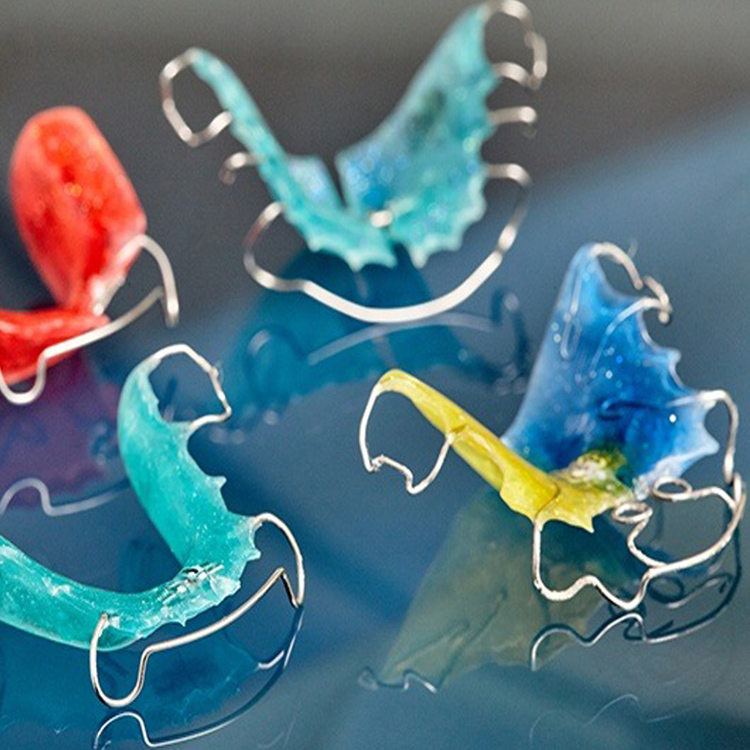
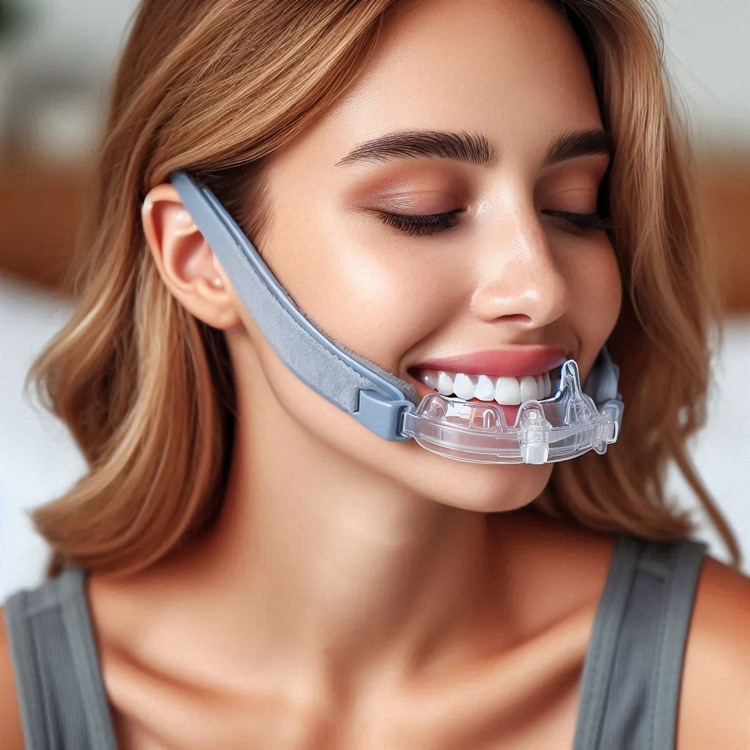
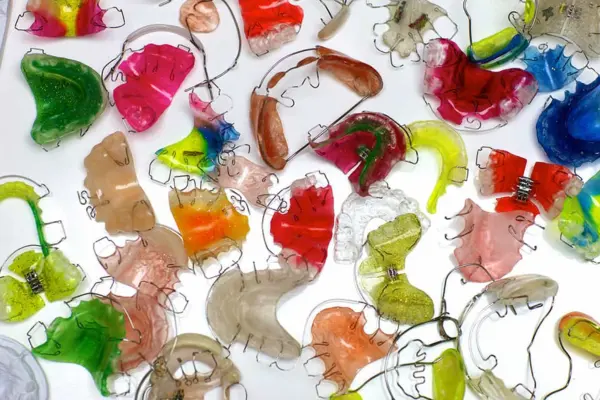
  • The Twin Block Appliance: Composed of both upper and lower bite blocks that interlock at a certain angle. This functional appliance moves the lower jaw forwards. They are highly successful, well tolerated in most cases as they are removable.
  • The Bionator: It is a monobloc made of acrylic.Bionators are lighter and meant to expand the dental arch, as it relates to tongue posture and better breathing patterns.
  • The Frankel Appliance (Functional Regulator): This is a bulkier appliance than the previous two and its aim is to use the soft tissues, around the mouth and cheeks, to impact muscle function and jaw growth. Because it focuses on soft tissue it can be effective with both skeletal “mismatches” or discrepancies, as well as soft tissue discrepancies.

How is it done?

  • The initial visit: A clinical and radiographic examination to assess jaw growth, skeletal age, and dental development.
  • Impressions/scans: Impressions or 3D scans are done to make a custom functional appliance.
  • The appliance appointment: When the appliance is made, we fit the appliance and adjust for proper function and comfort.
  • The wear guidance: Patients would be given a wear schedule lasting the full time of the prescribed time of 12-18 months of wear.
  • Review visits: Patients would come to the office every 4 to 6 weeks to adjust and monitor progress.
  • Retention Phase: Once the desired correction has been reached a retainer or passive appliance may be prescribed to help maintain the results.


What are the benefits?

  • Stimulate proper growth and alignment of the jaws.
  • Reduce or eliminate the need for future extractions or surgery.
  • Improve facial aesthetics and profile. Improve speech, mastication and airway function.
  • Can alleviate habit-related malocclusions early.


What makes it better than other options?

  • Early and non-invasive treatment.
  • An ability to customize treatment based on growth patterns.
  • Reversible and removable; therefore more compliant for patients.
  • Ability to address both the jaw position and associated soft tissue problems simultaneously.
  • Often can shorten the time needed in braces later.

How durable are the results?

With proper maintenance, functional appliances typically last throughout the course of treatment of 12 - 18 months. The acrylic and stainless steel parts of the functional appliance are durable parts intended for everyday use. However, when growth occurs the appliance may become past due for adjustment, in which case it may need to be replaced or the modifications made while the patient is present at the follow-up appointment.

How long does the procedure last?

The total active treatment time with functional appliances is typically 12 - 24 months, depending on the severity of malocclusion, patient cooperation and response to growth. The fabrication of the appliance will take approximately 1 - 2 weeks and the first appointment for fitting the appliance will take approximately 30 - 60 minutes.


What is the cost of functional appliances?

The cost of functional orthodontic treatment in India can vary greatly by type of appliance, the complexity of the case, location of the clinic, and the experience of the orthodontist. On average, here are the costs associated with treatment in India:

  • Twin Block: ₹15,000 – ₹35,000.
  • Bionator: ₹12,000 – ₹30,000.
  • Frankel Appliance: ₹20,000 – ₹40,000.

Depending on the time taken for a consultation, follow-up appointments, and eventual post-treatment retainers, there may be other associated costs. The price may increase depending on whether the clinic is in an urban area, or is a specialty dental clinic.

What are the risks and complications?

  • Functional appliances have been proven to be safe, but sometimes complications can occur.
  • Some mild discomfort with soreness in the jaws when first using the appliance.
  • Speech may be slightly affected or increased salivation can occur for a short period of time.
  • There is always a potential for breakage or distortion of the appliance if not maintained properly.
  • Compliance is important, and if the patient does not comply with wearing the appliance, then the treatment may be less effective.
  • In very rare cases, there may be symptoms of TMJ discomfort or muscle strain if the appliance is worn improperly.

Usually, the complications for patients who experience discomfort can often be managed by regular follow-up visits and some patient education.

What are the disadvantages?

  • Although functional appliances have many advantages, there are still some downsides to treatment with functional appliances:
  • They require patient cooperation, and the effect is directly related to patient's compliance.
  • One concern may be that the appliance takes time to get used to when eating or in the initial stages of speaking.
  • Functional appliances are not an option for non-growing patients, or have more severe skeletal cases.
  • Functional appliances are only effective if teeth are not rotated or crowding is minimal without braces.
  • Functional appliances are merely a preparatory phase and not a complete orthodontic treatment, therefore some patients may require braces after functional appliances and before finalizing treatment.

What are the alternatives?

  • Fixed functional appliances (e.g. Herbst appliance) – appropriate for patients that are less compliant or motivated.
  • Headgear – not aesthetically pleasing, and mostly effective but often uncomfortable.
  • Myofunctional therapy and growth modification – helps promote the development of facial muscles.
  • Delayed treatment with braces and potentially surgery – this may be indicated if orthodontic treatment for malocclusion is not addressed in early years.

Choice will depend on the age of child, severity of malocclusion, and treatment objectives.

How to care after the treatment?

  • Proper aftercare after treatment is crucial to ensure the results of treatment are maintained:
  • Wear their retainer as instructed.
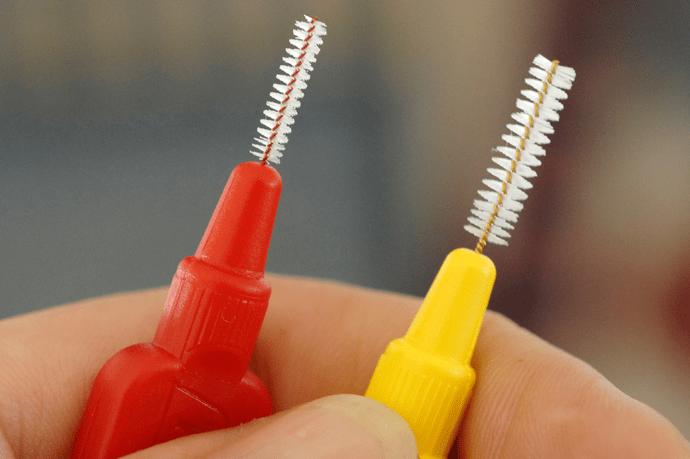
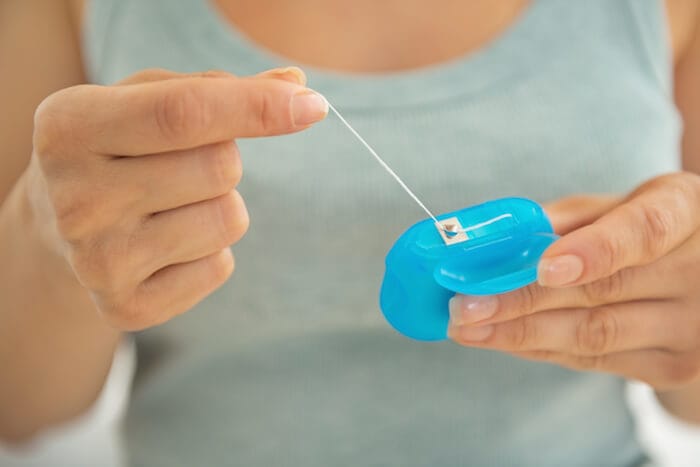
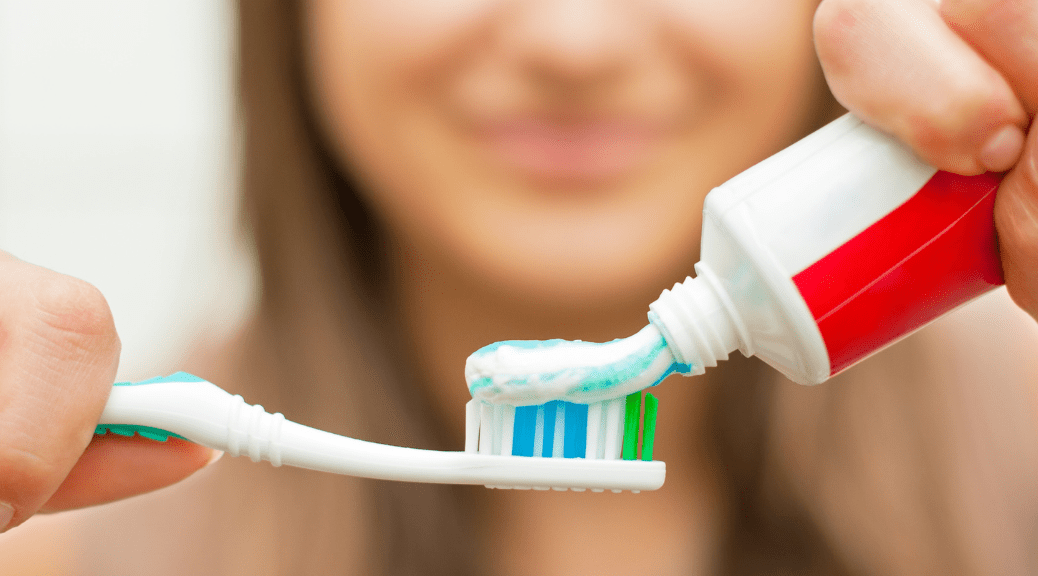
  • Maintain normal oral hygiene to ensure that there is no decay around areas that were present underneath the removable appliance.
  • Attend follow-up appointments for monitoring jaw growth pattern.
  • Avoid eating hard or sticky foods that can damage the appliance.
  • Encourage positive dental habits and posture to help sustain the effects of treatment.

Parental support is key, ensuring the patient wears the appliance properly and continues to maintain their results after treatment.

Related Articles

Load More Articles

Our Store

Call Us Make an Appointment