loader

Habit-Breaking Appliances (Thumb Sucking, Tongue Thrusting)

Home› Treatments› Habit-Breaking Appliances (Thumb Sucking, Tongue Thrusting)
Habit-Breaking Appliances (Thumb Sucking, Tongue Thrusting) Treatment
Watch Video
Reviewed by Dr. Seby Varghese

Fast Facts

99% say it's "Worth It"
3000/- to 30000/-
Longevity: With proper oral hygiene and regular dental care, the appliance should last throughout the indicated time.
Duration: 1-2 dental visits over 1-2 weeks.

Habit-breaking appliances are specialized dental devices designed to help children overcome persistent oral habits such as thumb sucking and tongue thrusting. These habits, if left unaddressed, can lead to improper jaw development, misaligned teeth, and speech issues.

Doctors Near You

Ask Your Question
Share this page
What are habit breaking appliances?

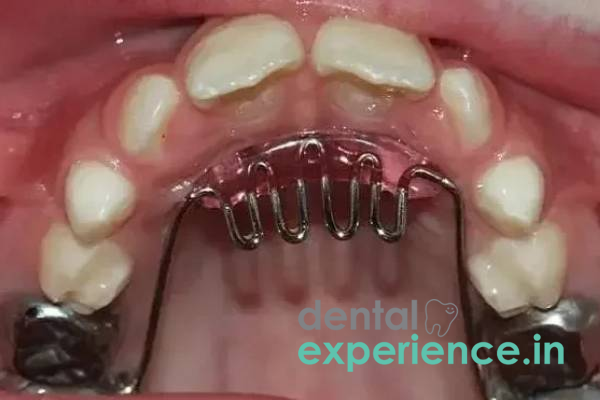
Pediatric interceptive orthodontics with habit-breaking appliances is a preventive dental procedure used to correct harmful oral habits in children - namely, thumb sucking and tongue thrust. If left untreated, these habits could compromise normal dental and facial development, causing malocclusion, speech difficulties, and skeletal discrepancies. Habit-breaking appliances are custom-designed orthodontic devices that gently discourage those behaviors, and redirect the oral musculature to function normally.

Why Is It Needed?

The overall goal of habit-breaking appliances is to halt harmful oral habits before they cause long-term damage to the teeth, jaws, and facial structure. If thumb sucking and tongue thrusting continue beyond about 4-5 years of age, the consequences may include:

  • Open bites or crossbites.
  • Protrusive upper front teeth.
  • Speech impairments.
  • Chewing or swallowing difficulties.
  • Delayed eruption of permanent teeth

By intercepting these habits, orthodontists can influence proper growth of the jaw, improve facial esthetics, and reduce the need for future orthodontic treatment.

Who Should Consider It?

  • Children ages 4 to 12 years who have persistent habits of thumb sucking or tongue thrusting.
  • Children with developing malocclusions and/or open bites.
  • Children whose parents or teacher notice abnormal speech or difficulty swallowing.
  • Pediatric patients who have not responded to behavior modification strategies.

Dental professionals generally recommend this treatment method following failed behavioral therapies or when the habit poses an immediate problem for the developing dentition.


What are the Different Types?

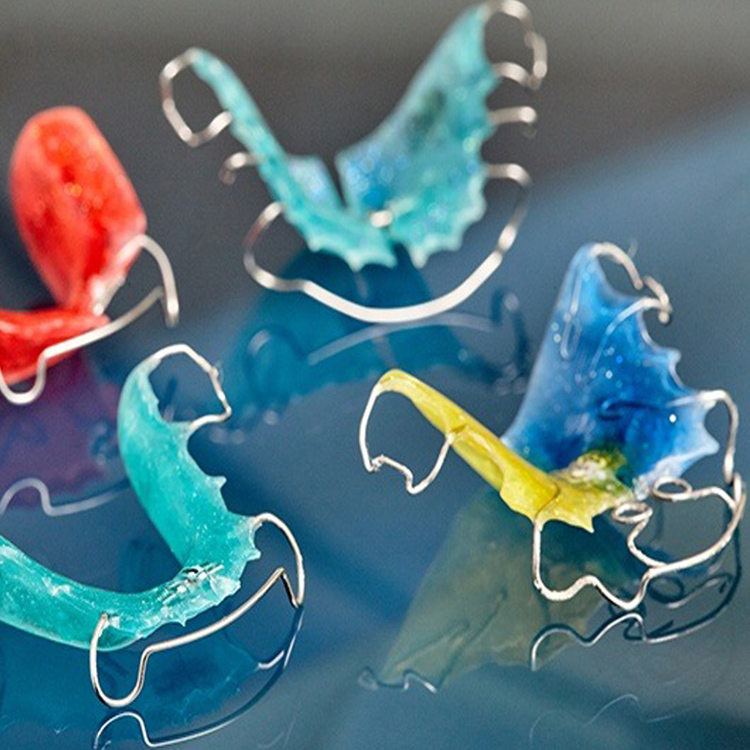
There are a few different appliance types that are designed specifically for each habit:

1. Thumb Sucking Appliances:

  • Fixed Palatal Crib: A metal rib that attaches to the molars, is delivered on the upper arch, and is placed behind the upper front teeth to prevent a child from placing their thumb into their mouth.
  • Rake Appliance: A crib with prongs that acts as a reminder to a child as to not to put their thumb into their mouth.
  • Bluegrass Appliance: A spinning roller provided on the palate designed to distract the tongue and/or thumb while rewriting the brain to stop the habit.

2. Tongue Thrusting Appliances:

  • Tongue Crib Appliance: A device that acts as a physical barrier to prevent tongue thrusting against the front teeth.
  • Spiked Appliances: Appliances that have soft spikes/beads that discourage anterior tongue movement.
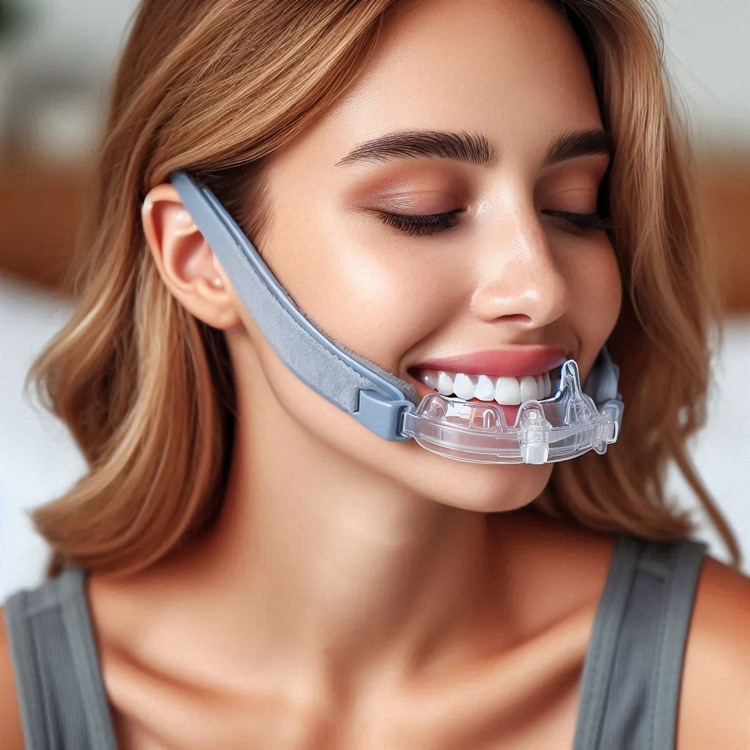
  • Myofunctional Trainers: A removable silicone appliance with brackets used to retrain tongue posture and muscle balance.

What are the treatment steps?

  • Initial Exam: A pediatric dentist or orthodontist examines the patient and notes the habits, extent of damage to developing dentition, and a plan of care is developed. The identification and management of children with oral facial representation involves different diagnostic indicators, and deliverable treatments, for the function, shape, and appearance of the orofacial region. the child's oral habits, dental arch development, and behaviors.
  • Impressions/Scans: A dental impression or scan is taken to fabricate the appliance.
  • Appliance Placement: The appliance (either fixed or removable) is placed into the child’s mouth, usually on the upper dental arch.
  • Monitoring: Progress is monitored with follow-up appointments about every 4–6 weeks for updates and adjustments if needed.
  • Retention: The appliance will usually stay in the mouth for several months after the habit has stopped for prevention of relapse.
  • Appliance Removal: The appliance will be removed and the child occlusion and oral development will be re-assessed.


What are the benefits?

  • Prevention of Malocclusion: Minimizes the chances of open bites, crossbites, or other malalignment issues.
  • Improved Facial Growth: Fosters ideal jaw development and jaw muscle growth.
  • Facilitates Speech and Swallowing: Stops poor tongue patterning, which contribute to overall improved phonetics and feeding.
  • Prevent Costly Orthodontic Treatments: May reduce the need for complex braces and/or surgery as a result of the direction of smaller and/or short-lived bad habits.
  • Improvement in Child confidence: Children often have more self-esteem due to improved speech and better dental appearance.


What make these appliances better than other therapies?

  • Faster Results: They usually physically block the bad habit within a few weeks to a few months.
  • More Passive: Less parent/guardian cited monitoring commitment.
  • High rate of success: Most times even better if facilitated with positive encouragement.
  • Customizable: Each appliance is custom-made to the child’s oral anatomy.


How Durable are the Results?

Most fixed habit-breaking appliances will be made of stainless steel, and usually last at least 6 to 12 months depending on the severity of the habit and the child’s age. Removable appliances may wear out sooner and require proper care in handling. With proper oral hygiene and regular dental care, the removable appliance should last throughout the indicated time.

How long does the procedure take?

  • Appliance fabrication and placement: 1-2 dental visits over 1-2 weeks.
  • Active habit-breaking time: 3-6 months average.
  • Retention time (to prevent relapse): 2-3 months. Total time frame to complete treatment would be approximately 4-9 months.


How much does habit breaking appliances cost in India?

The cost of habit-breaking appliances in India varies based on the type of appliance, the complexity of the appliance, and the location of the clinic.

  1. Fixed palatal crib: ₹3,000 - ₹7,000.
  2. Bluegrass appliances: ₹4,000 ‒ ₹8,000.
  3. Tongue crib appliance: ₹3,500 - ₹8,000.
  4. Myofunctional trainers ₹2,000 - ₹6,000.

Premium clinics in metropolitan areas may charge a higher rate, while many governmental hospitals and dental colleges may offer rates that host a subsidized component.

What are the Risks and Complications?

Habit-breaking appliances are generally safe; however, you may experience complications that may include:

  • Initial discomfort or speech impairment.
  • Mild irritation or ulcers on the tongue/ palate.
  • Difficulty in oral hygiene maintenance.
  • Temporary changes in speech.
  • Relapse if removed too early.

Typically, these side effects experience a resolution that should be manageable for your child with regular follow-up care.

What are the Disadvantages?

  • Need Some Adaptation Time: Children may resist using the appliance initially.
  • May Change Eating Habits: Might see a change in eating habits for younger children who have a fixed appliance.
  • Risk of Breakage with Removable Appliances: If the removable appliance is not used properly, there is a risk of damage.
  • It is Not a One-Time Fix: If you do not do any follow-up with treatment and monitor your habit, a relapse is possible.

What are the Alternatives?

Some of the alternatives may include the following:

  • Behavioral Counseling and Positive Reinforcement.
  • Bitter-Tasting Solutions (for thumb suckers).
  • Myofunctional Therapy: Exercises to retrain tongue and facial muscles.
  • Speech Therapy: Particularly In tongue thrust-related speech issues.

These alternatives may take longer, as well as more effort. In many situations, these appliances are utilized in connection to these alternatives for optimal outcomes.

How to take care after the treatment?

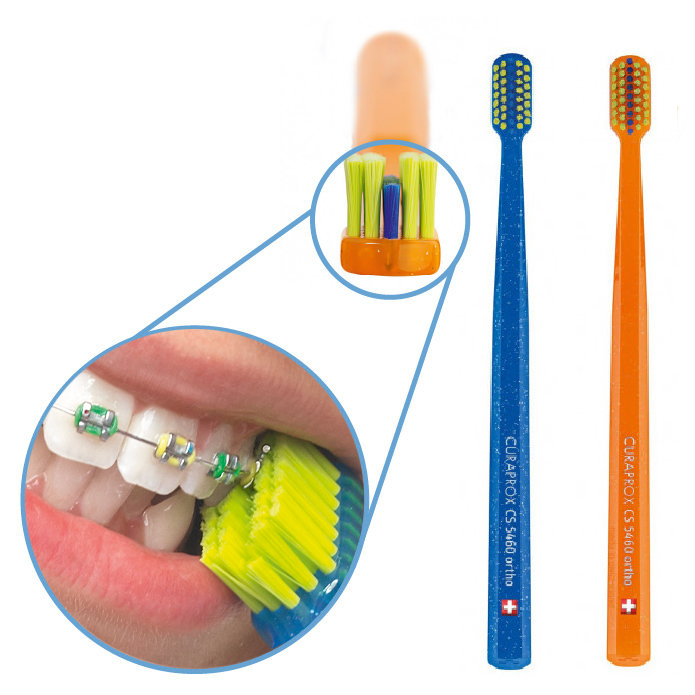
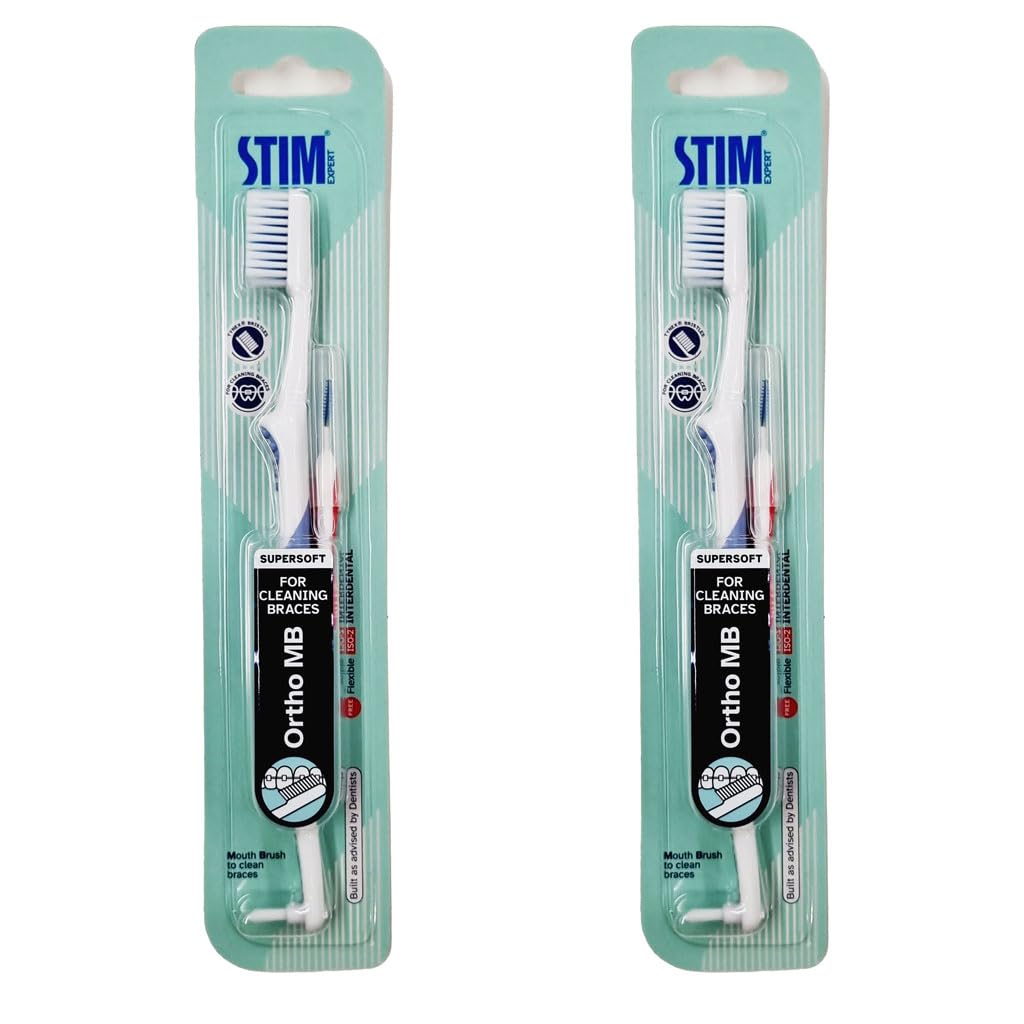
  • Maintain Oral Hygiene: Child-friendly mouthwash and a soft-bristled toothbrush.
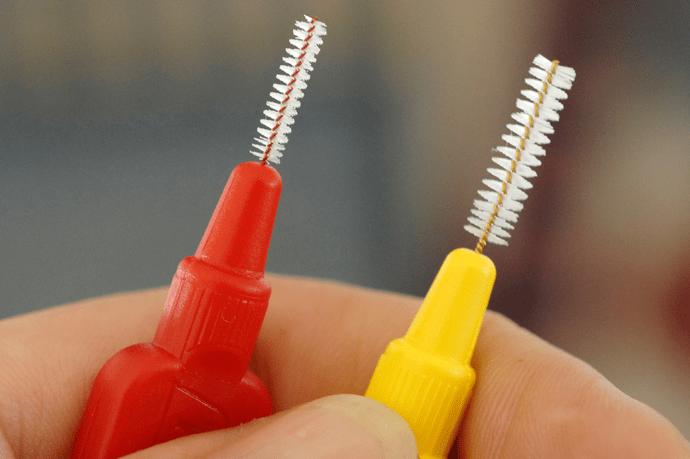
  • Clean Around the Appliance.
  • Dietary Changes: Avoid sticky/hard foods that may dislodge or damage the appliance.
  • Monitor Speech and Chewing Patterns: Encourage tongue in proper or natural position and normal chewing patterns.
  • Regular Follow-Up: Routine dental visits every 4-6 weeks.
  • Positive Reinforcement Strategies: Encourage and reward your child for completing milestones and for completing the habit-breaking process.


Related Articles

Load More Articles

Our Store

Call Us Make an Appointment