loader

Pulpotomy

Home› Treatments› Pulpotomy
Pulpotomy Treatment
Watch Video
Reviewed by Dr. Seby Varghese

Fast Facts

99% say it's "Worth It"
3500/- to 15000/-
Longevity: When properly put in place and maintained, these crowns can last intact and functional between 5–8 years.
Duration: 1 or 2 appointments, each lasting about 30-60 minutes.

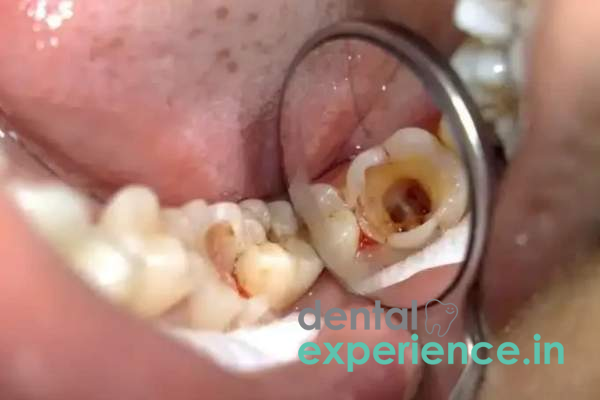
A pulpotomy is a dental procedure used to treat infected or decayed baby teeth in children. It involves removing the infected pulp from the crown of the tooth while preserving the healthy pulp in the roots. The tooth is then sealed with a crown to protect it until it naturally falls out. This treatment helps alleviate pain, prevent further infection, and maintain proper tooth development.

Questions & Answers

QHow many appointments would a Pulpotomy procedure require?
QWill my child require a local anesthetic for this procedure? Will it be painful?
QHow much does a Pulpotomy procedure cost in Kochi, Kerala?
Ask Your Question
Share this page
What is pulpotomy?

Childrens dental hygiene is as important as it is for adults; an early intervention can save them having complications in the long run. Pulpotomy , or "baby root canals," are pediatric endodontic treatment types used to preserve decayed or infected primary (milk) dentition. Much like adult root canals, except that they’re designed for the anatomy of baby teeth, these procedures are designed to keep the tooth functional until it falls out on its own.

Why is it needed?

Pulpotomy is performed primarily with the aim of treating infection or inflammation associated with a baby tooth with a pulp chamber while also preserving the tooth structure. This is essential for:

  • Maintaining space for permanent teeth.
  • Support speech development.
  • Maintain normal chewing ability.
  • Help prevent early tooth loss and misalignment

If left untreated, pulp infections can cause abscesses, pain and early tooth extraction, causing interference in oral development. Therefore, the timely intervention of pulp therapy is fundamental in pediatric dentistry.

Who Should Consider It?

These treatments are ideal for:

  • Kids with deep cavities that extend to the pulp.
  • Pulp exposure due to trauma.
  • Signs of irreversible pulpitis or necrosis in primary teeth.
  • Children with either acute or chronic pain as a result of decayed teeth.

A dental evaluation, typically aided by X-rays, assists in deciding whether a pulpotomy or pulpectomy may be the best solution. Factors such as the age of the child, position of the tooth, and root development are also taken into consideration.


What are the Different Types?

Baby root canal treatments come in two types.

  • Pulpotomy: This is a type of pulp removal in which only the infected coronal (upper) pulp tissue is removed, while the healthy radicular (root) pulp remains. It’s usually used when the infection has not spread to the root.
  • Pulpectomy: A more invasive procedure wherein there is removal of both the coronal and radicular pulp tissues. It is indicated when the entire pulp is infected or necrotic.

All procedures utilise medicaments and filling materials specific for baby teeth, such as Zinc Oxide Eugenol or resorbable pastes.


How is it done?

  • Local anaesthesia is given.
  • The decayed part of the tooth gets accessed and removed.
  • The coronal pulp is excised.
  • Achieve hemostasis (control of bleeding).
  • A medicament such as Formocresol, Ferric Sulfate or MTA is applied over the radicular pulp.
  • The cavity is sealed with a restoration, usually a stainless steel crown.


What are the benefits?

  • Pain relief: Removes both infection and pain.
  • Tooth preservation: Maintains the primary tooth until it naturally falls out.
  • Supports jaw development: Keeps space for adult teeth.
  • Avoids complications: Decreases the chances of swelling, formation of abscess or dissemination of infection
  • Easy on the child: New techniques are less invasive and more effective.

All of these benefits—as a group—encourage better long-term oral health in children.

What are the Advantages?

In comparison to extraction or long-term antibiotics, pulpotomy

  • Provide conservative, tooth-sparing solutions.
  • Demand fewer aftercare appointments.
  • Cost-effective in the longer run.
  • Ensure better aesthetics and function.
  • Assistance in developing healthy eating and speaking habits.


How durable are the results?

If done correctly and then followed by a stainless steel crown, the tooth can last until it exfoliates normally. Usually these treatments hold for a period of 2 to 5 years depending on the position of the tooth, oral hygiene of the child and cooperation during the treatment.

How long does the procedure take?

A pulpotomy typically takes about 30-45 minutes per tooth. Most kids can return to regular activities soon after. For very complex cases or anxious children, sedation options exist.

How much does it cost in India?

The price of pulpotomy in India depends on the city, dental clinic, & materials used:

Pulpotomy: INR 2,500 – INR 15,000 per tooth

The addition of a stainless steel crown might cost ₹1,000 – ₹5,000 more. Insurance or government health schemes can partly cover the treatment.

What are the Risks and Complications?

Though generally safe, potential risks are:

  • Pain or sensitivity after treatment.
  • Incomplete cleaning might lead to swelling or infection.
  • Material failure or detachment of crown.
  • Allergic reactions to materials (very rare).

This will enable any such problems to be detected and resolved at an early stage, through prompt follow-up and regular checkups.

Are there any downsides?

  • Although these procedures are beneficial, this may have some disadvantages:
  • Not appropriate for every tooth (e.g., if the infection is too extensive).
  • It needs a cooperation of little kids.
  • May require retreatment if the infection comes back.
  • Stainless steel crowns might not be cosmetically suitable for front teeth.
  • But these problems are minor when done by skilled pediatric dentists.

What are the Alternatives?

When pulpotomy or pulpectomy is not possible, options include:

  • Extraction followed by space maintainers.
  • Indirect pulp capping for lesser levels of decay.
  • Antibiotic treatment (temporary, not conclusive).
  • Laser-assisted pulp therapy.

Each options should be chosen depending on clinical findings and the needs of child.

How To Care For Yourself Post-Treatment?

Long-term success requires post treatment care:

  • Refrain from hard or sticky foods for 24–48 hours.
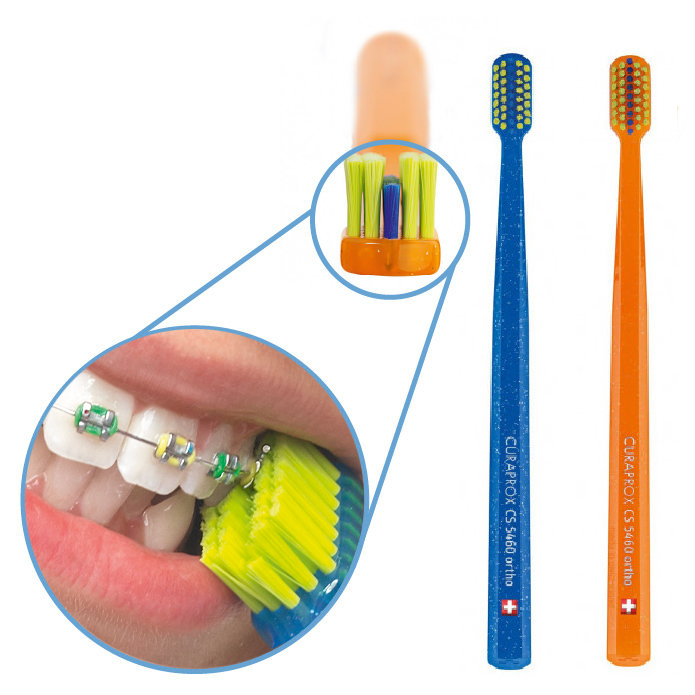
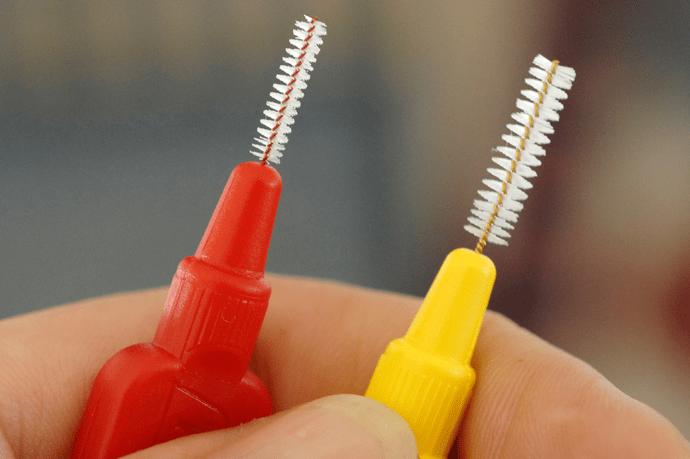
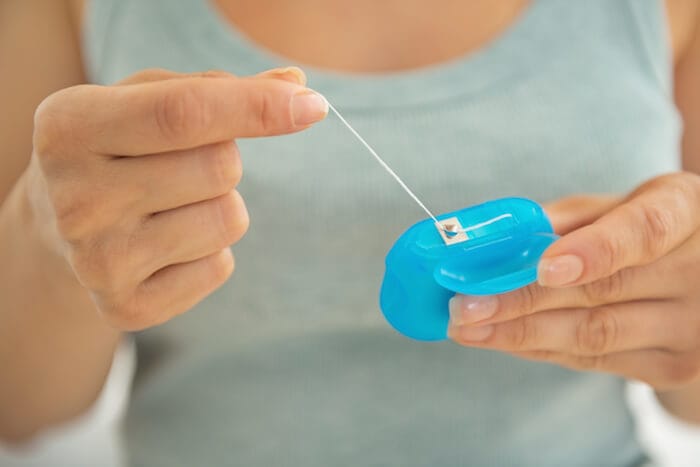
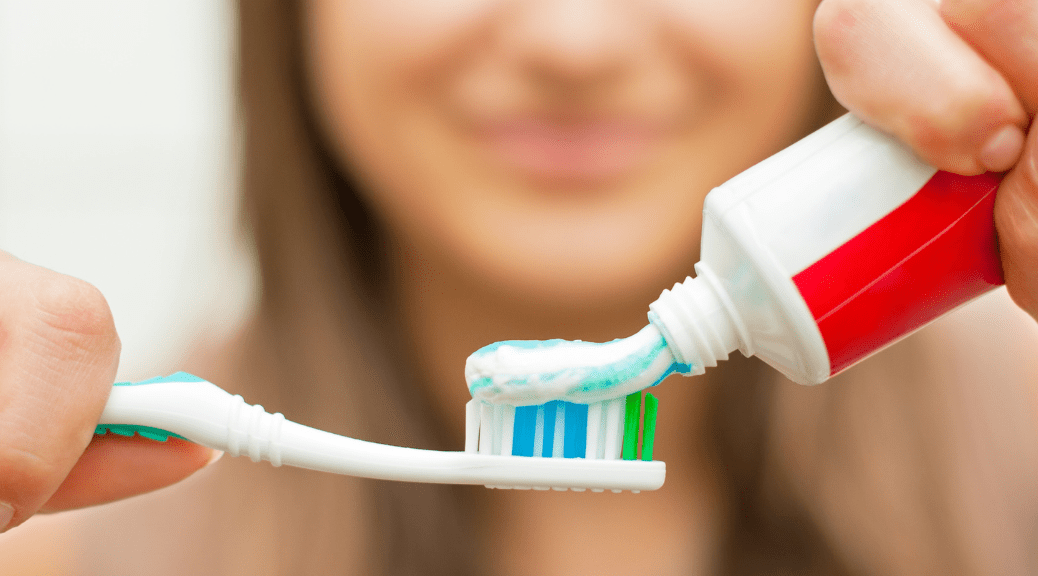
  • Brush and floss regularly for good oral hygiene.
  • Schedule regular dental visits every 6 months.
  • Watch for signs of pain, swelling or loosening of the crown.
  • Advise a healthy, low-sugar diet to further prevent decay.
  • Proper dental care must be ensured by parents.

Related Articles

Load More Articles

Our Store

Call Us Make an Appointment