loader

Repair of Chipped/ Broken Filling

Home› Treatments› Repair of Chipped/ Broken Filling
Repair of Chipped/ Broken Filling Treatment
Watch Video
Reviewed by Dr. Seby Varghese

Fast Facts

99% say it's "Worth It"
1000/- to 25000/-
Longevity: Composite resin fillings last 5-10 years. Amalgam fillings can last 10-15 years. Ceramic or inlay restorations may last 10-20 years with proper care.
Duration: 1 or 2 appointments, each lasting about 60–90 minutes.

Chipped or broken dental fillings can cause tooth sensitivity, discomfort, and lead to further decay if left untreated. Our skilled dentists offer quick and effective repair or replacement of damaged fillings using durable, tooth-colored composite materials. Whether it’s a small chip or a fully dislodged filling, we restore your tooth’s strength and function—often in a single visit. Protect your oral health with professional dental filling repair services.

Ask Your Question
Share this page
What is dental filling repair?

Composite fillings are restorative material used for treating cavities, cracks or slight fracture of teeth. These fillings restore the function of the damaged tooth and protect it from further decay and deterioration. But like natural teeth, fillings can also be damaged over time. Breaking, cracking or chipping among the fillings can result from biting into something hard, grinding teeth at night, or just from wear and tear.

When a filling is compromised, it can lead to various dental issues with sensitivity to cold or hot, bacteria entering the tooth structure, and damage that may progress further. This is why it is so important to repair chipped or broken dental fillings quickly!

Why Is It Needed?

When you have a chipped or broken filling, the first step of treatment is to fix it to restore strength to the tooth and prevent future problems. When the filling is broken, the underlying layers of the tooth may become exposed, leading to sensitivity, discomfort, and a higher risk of decay or infection. If left unaddressed, the damage can escalate into something needing more intensive — and costly — treatment, such as a root canal or even extraction.

Who Should Consider It?

You should see a dentist if:

  • Sensitivity to hot, cold, or sweet foods in a tooth that’s already been filled
  • You sense a rough surface or can see a visible crack or chip in the filling.
  • You hear or feel something crack while biting into something.
  • You find more food lodged in or around a filled tooth.
  • You had fillings years ago — they could be worn out by time.
  • You grind your teeth (bruxism) or have the habit of biting on hard things like ice, pens, or hard candies.

If any of the above apply to your situation, you may need a filling repair so that you can regain functionality in that tooth and prevent bigger issues with your dental health.

What are the different types?

The nature of repair required will depend on the material of the original filling, the degree to which damage has occurred and the location of the tooth. Below are the most popular repair methods:

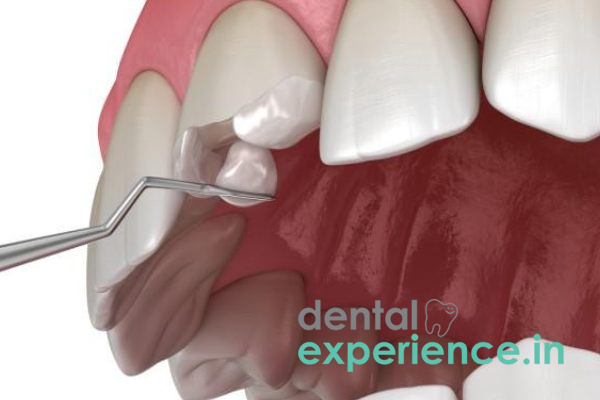
  • Direct Composite Resin Repair: This is perfect for small chips or minor cracks. A tooth- colored resin material is applied directly to the damaged area and shaped to restore the tooth contour. It is then hardened with a special curing light and polished for a smooth finish.
  • Filling Replacement: If the damage is more severe, the old filling may have to be entirely removed and replaced with a fresh one. This is typical for large cavities or failing older fillings.
  • Inlays and Onlays: For bigger affected regions in which a direct filling will not take care of, inlays (which can be designed to suit in and finish the cusp of the tooth) or onlays (which cover a much larger surface area) are manufactured in the dental lab so the dentist can then bond the inlay/onlay into the front foot of the tooth utilizing either ceramic or composite materials.
  • Dental Crowns: A crown may be placed to cover the entire tooth, if the tooth structure is compromised significantly, providing strength and protection.

How is it Performed?

  • Assessment and Diagnosis: The dentist performs a detailed clinical examination, usually with an x-ray, to evaluate by how far the tooth is damaged, so that it can calculate the most suitable treatment.
  • Tooth Preparation: We then remove that damaged part of the existing filling and disinfect and clean the area surrounding it.
  • Restoration: The dentist then places the appropriate material on the affected area in accordance with the level of damage and can use composite resin, a new filling, an inlay/onlay, or a crown.
  • Shaping and Polishing: The restoration is shaped to the tooth’s original anatomy and polished to a smooth finish to help it blend with the natural teeth.
  • Final inspection and adjustment of the bite: The dentist checks to make sure the patient’s bite is comfortable and lined up correctly.

What are the benefits?

There are several reasons why repairing a broken filling is beneficial:

  • Reinstates mastication efficiency and comfort.
  • Prevents additional decay.
  • Minimizes sensitivity and discomfort of teeth.
  • Uses natural-looking materials to restore the appearance of the tooth.
  • This extends the life of that tooth and avoids needing to do more invasive work.

What make it better than alternate options?

  • Less invasive compared to extractions or crowns for minor damage.
  • More cost-effective than full tooth replacement options.
  • It can often be completed in a single dental visit.
  • Advanced materials provide a natural and durable finish.

How long does it last?

The longevity of a repaired filling depends on factors such as material used, oral hygiene, and dietary habits. Generally:

  • Composite resin fillings last 5-10 years.
  • Amalgam fillings can last 10-15 years.
  • Ceramic or inlay restorations may last 10-20 years with proper care.

How long does the procedure take?

However, a simple composite repair typically takes 30–60 min in one sitting. Inlays, onlays or crowns usually take two visits over a few weeks: one to prepare the tooth and take the impression, another to fit the final restoration.

What is the cost of dental filling repair in India?

Repair costs depend on the size of the damage, material used, and the clinic’s location:

  • Repair of composite filling: ₹1,000 – ₹3,000
  • Repair of amalgam fillings: ₹800 – ₹2,500
  • Inlays/onlays: ₹5,000–₹12,000
  • Crowns: ₹8,000 – ₹25,000

What are the Risks and Complications?

While mostly safe and effective, filling repairs can carry some risks:

  • Mild sensitivity to hot or cold post-procedure.
  • If the tooth is already compromised, there is a risk of repeated damage.
  • There will be gaps, and it will decay again.
  • Very rare allergies to some materials.

Are there any downsides?

  • May require multiple visits for larger restorations.
  • Some materials can discolor over time.
  • Not a permanent solution; fillings may still wear out eventually.

What are the Alternatives?

  • Dental bonding: Good for small chips, particularly on front teeth.
  • Porcelain veneers: For minor cosmetic damage on visible teeth.
  • Crowns: When the tooth needs complete coverage.
  • Dental implants: An option if the tooth cannot be repaired and needs to be replaced.

How To Care For Yourself Post-Treatment?

  • Do not bite hard foods or chew hard objects.
  • Brush your teeth twice a day and floss regularly.
  • Brush with fluoride toothpaste to strengthen teeth.
  • Get routine hygiene appointments every 6 months
  • If you grind your teeth during sleep, wear a night guard.

Related Articles

Load More Articles

Our Store

Call Us Make an Appointment