
 Treatment
Tooth extraction is a routine procedure to remove damaged, decayed, or impacted teeth. Simple extractions are for visible teeth, while surgical extractions address more complex cases like impacted or broken teeth. Both options are performed with care to ensure comfort, safety, and fast recovery.
Tooth extraction is the removal of a tooth from its socket in the alveolar bone. In modern-day dentistry, the procedure is carried out to remove diseased or injured teeth which can't be repaired, to prevent future problems like infection or displacement of neighboring teeth.
Tooth extraction is done to remove teeth that are broken down beyond repair due to a decay, trauma or periodontal disease. Extractions also fix problems with overcrowding, misalignment, or potential infection spread. Tooth extraction may relieve pain and prevent the surrounding teeth and bone from further deterioration if other course of dental treatment is either ineffective or unpractical. Tooth extraction once again not only enhances oral hygiene by getting rid of the source of infection or discomfort, but it also prepares the mouth for restorative treatment in the form of implants or bridges, thereby improving the quality of life of the patient.
Perfect candidates for tooth extraction are those who are experiencing extensive tooth decay, advanced gum disease, tooth that is fractured, or impacted. The procedure tends to benefit patients suffering from chronic pain, swelling, or infection. Orthodontic patients who require extractions to ensure enough space exists to align the teeth properly may also be a candidate.
Tooth extraction is generally of two types:
Both types are performed with great care, using advanced dental technologies to minimize discomfort and facilitate quick recovery.
There are a number of steps involved in the tooth extraction:
Tooth extraction does not only relieve pain, but it offers far more. Key advantages include:
Tooth extraction has many benefits compared to alternative treatments:
The results of tooth removal are lasting—they don’t come back once the tooth is gone. But the long-term benefits of the procedure come up after the dentist does some extra work.
The length of time a tooth extraction takes is dependent on how difficult it is. A simple extraction usually only lasts 20 to 40 minutes, whereas a surgical extraction can take 45 minutes to an hour or longer. Recovery time also differs; most patients have initial healing in a week or so, while full socket healing can take a few weeks.
Tooth extraction cost varies based on multiple factors such as the procedure complexity, dental clinic location and dentist experience. On an average, the prices of simple extractions fall in between INR 800 to INR 2000, while surgical extractions can cost anywhere in between INR 2500 to INR 6000 or more.
As with any medical procedure, tooth extraction carries some risk. Potential complications may include:
While tooth extraction has advantages, it also has disadvantages:
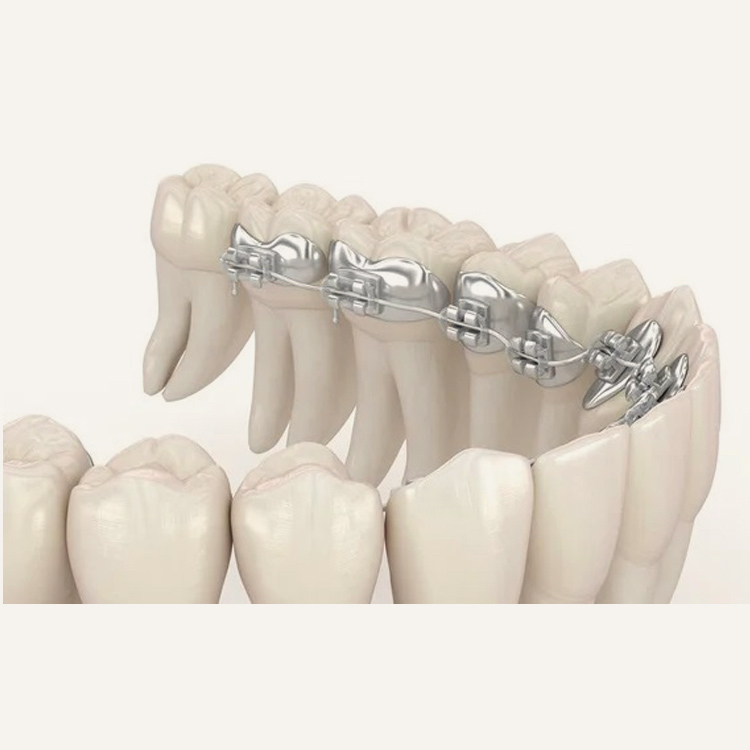
Alternative to tooth extraction includes restorative treatments like root canals, crowns, and fillings. Braces or other orthodontic measures to avoid having teeth removed due to crowding can also be an option. Each option has its advantages and disadvantages, and the decision depends on the condition of the tooth and the dental health of the patient as a whole.
After tooth extraction, proper post-operative care is essential for optimal recovery and to reduce the risk of complications.













.jpg)
.jpg)

.jpg)
.jpg)

.jpg)
.jpg)
.jpg)
.jpg)
.jpg)
.jpg)
.jpg)
.jpg)