loader

Wisdom Tooth Extraction

Home› Treatments› Wisdom Tooth Extraction
Wisdom Tooth Extraction Treatment
Watch Video
Authored by Dr Ann Mary Mathew
Reviewed by Dr. Seby Varghese

Fast Facts

99% say it's "Worth It"
4000/- to 10000/-
Longevity: The durability of the benefits?is directly correlated to good oral hygiene practices and regular dental visits.
Duration: 20-60 minutes

Wisdom Tooth Extraction

Wisdom tooth extraction is a common procedure to remove third molars that are impacted, misaligned, or causing pain. Symptoms like swelling, jaw discomfort, or repeated infections may signal the need for removal. With modern techniques and anesthesia, the process is safe, quick, and virtually pain-free, promoting fast recovery and long-term oral health.

Questions & Answers

QCan I work/go to school the?next day?
QWhat signs indicate I require an emergency wisdom?teeth extraction?
QCan I remove all 4 of my wisdom teeth in one sitting? Why do dentists advice getting both the opposing wisdom teeth removed together despite not having pain or any discomfort in one of them?
QWhy are wisdom teeth more difficult to remove than other teeth? How do you decide how much to charge for a wisdom tooth removal?
QWill I have swelling after my wisdom teeth are removed? Can I travel during this time?
QWhy is there so much of a difference in price range? How much does it cost for a Wisdom tooth extraction in Kochi, Kerala?
Ask Your Question
Share this page
What is Wisdom Tooth Extraction?

Wisdom tooth removal is a common dental procedure that involves the extraction of one or more third molars, also known as wisdom tooth. These teeth generally appear in late adolescence or early adulthood, which can lead to crowding, infection or misalignment. Today’s dentists approach wisdom tooth extraction both as preventative care and a remedy for existing problems.

Why Is It Needed?

The main purpose of removing your wisdom teeth is to prevent dental problems before they happen. Wisdom teeth that are affected or are partially erupted can cause pain, swelling, and infection. Sometimes, they lead to gum disease or harm nearby teeth. Dentists extract these problematic teeth to maintain oral hygiene, avoid dental decay, and to preserve the alignment of the remaining teeth. Extraction is also indicated when wisdom teeth cause cysts or other oral pathologies, making the procedure a key aspect of comprehensive dental care.

Who Should Consider It?

Patients with pain, infection, or teeth that are impacted or misaligned. Younger people, including adolescents and young adults, are typically treated, because wisdom teeth erupt during this stage of life. But the procedure may also be advised for older patients if symptoms occur or complications develop.

What are the Different Types?

The complexity of wisdom tooth extraction procedures depends on the position and condition of the tooth. There are two main types which are:

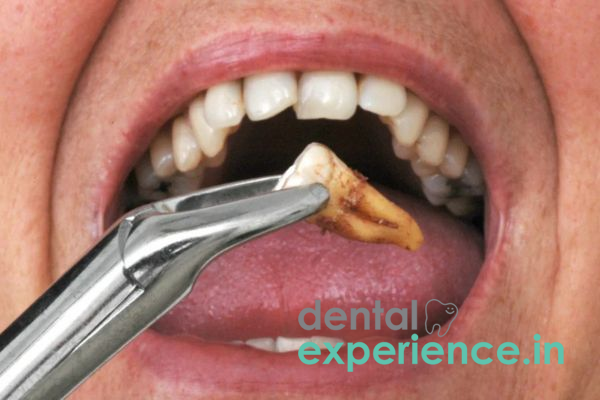
  • Simple Extraction: When the tooth has erupted fully and can be reached and removed with the use of forceps.
  • Surgical Extraction: If your tooth is impacted (not fully erupted) or partially erupted, you will require surgical extraction. It can include making an incision in the gum and removing some bone along with the tooth.

The choice of type is based upon diagnostic imaging and the dentist's evaluation, which are done to ensure the correct type is selected and the method chosen minimally traumatizes and maximizes healing in the area.

How is it done?

The extraction of wisdom teeth is a carefully planned and executed process:

  • Preoperative Evaluation: A thorough dental exam and x-rays provide insight for the position of the tooth and any other complications.
  • Anesthesia: Local anesthesia, sedation, or general anesthesia is provided based on the intricacy of the procedure to keep the patient comfortable.
  • Incision and Exposure: For surgical extractions, an incision is created to expose the tooth and surrounding bone.
  • Extracting the Tooth: Using specialized tools, the tooth is then carefully extracted. If the tooth is impacted, it can be broken down into smaller parts.
  • Suturing: The incision is sewn, if necessary, to encourage healing.

What are the benefits?

  • Prevention of Oral Diseases: Removes Infection pain and inflammation.
  • Improved Oral Hygiene: Eliminate hard-to-clean regions and therefore reducing the risk of decay and periodontal diseases.
  • Saves Teeth From Shifting: Adjacent teeth cannot shift, so the entire dental structure remains intact.
  • Lower Chance for Cysts and Tumors: Contingent preventive measures can help cut down on cysts and other issues.

What are the advantages over alternatives?

Unlike conservative treatments that may only alleviate symptoms, wisdom tooth extraction directly targets the source of potential dental issues. Its advantages include:

  • Permanent Solution: Provides a permanent solution for problems like impaction and recurring infections.
  • Cost-Effectiveness: Curbing potential future dental issues can save on expensive treatments down the line.
  • Improved Quality of Life: Less Pain and discomfort help with daily activities
  • Predictable Outcome: Dental surgery has improved with advancements that offer a high rate of success for the process and recovery time.

How long will the results last?

The extraction of wisdom teeth is a permanent treatment if performed safely and healed. The durability of the benefits is directly correlated to good oral hygiene practices and regular dental visits.

How much time does the procedure takes?

A simple extraction could take just 20 to 30 minutes per tooth, while a surgical extraction could take an hour or longer. Most patients report substantial improvement within a week, but complete healing can take several weeks.

What is the cost of Wisdom Tooth Extraction?

The cost of wisdom tooth extraction in India depends on the complexity of the procedure, types of anesthesia, and location of the clinic. A regular extraction would generally cost anywhere between INR 2,000 to 5,000 per tooth whereas surgical extractions can cost anywhere between INR 5,000 to 10,000 or more per tooth. Furthermore, numerous clinics provide flexible payment options and packages that cover both preoperative and post-operative care, ensuring that the procedure is within reach for a variety of patients.

What are the Risks and Complications?

As with any surgery, there are certain risks involved with wisdom tooth removal.

  • Infection: Improper care after the surgery may lead to infections.
  • Dry Socket: An extremely painful condition that develops when the blood clot dislodges too early. Infrequent consequences:
  • Nerve Injury: Rarely, if the nerve can get injured, numbness can persist and even become permanent.
  • Inflammation and Bruising: These are normal side effects and usually subside with time and adequate care.

Dental providers reduce these complications via careful surgical techniques, thorough patient education, and comprehensive follow-up care.

Are there any downsides?

Although the wisdom tooth extraction process is considered safe, there are several disadvantages to be aware of:

  • Pain and Swelling: Pain and swelling immediately after surgery is normal.
  • Recovery Time: Recovery may require dietary modifications and a rest from certain physical activities.
  • Potential Complications: Some potential complications of wisdom teeth extraction include infection, dry socket, and nerve damage (although very rare with proper care).

However, the long-term benefits of preventing more serious dental problems generally outweigh the short-term discomfort and inconvenience of the extraction process.

What are the Alternatives?

In some cases, alternatives to wisdom tooth extraction may be considered. These include:

  • Observation: Asymptomatic wisdom teeth that are not causing problems.
  • Coronectomy: Surgical removal of tooth crown only, preserving roots to avoid nerve damage.
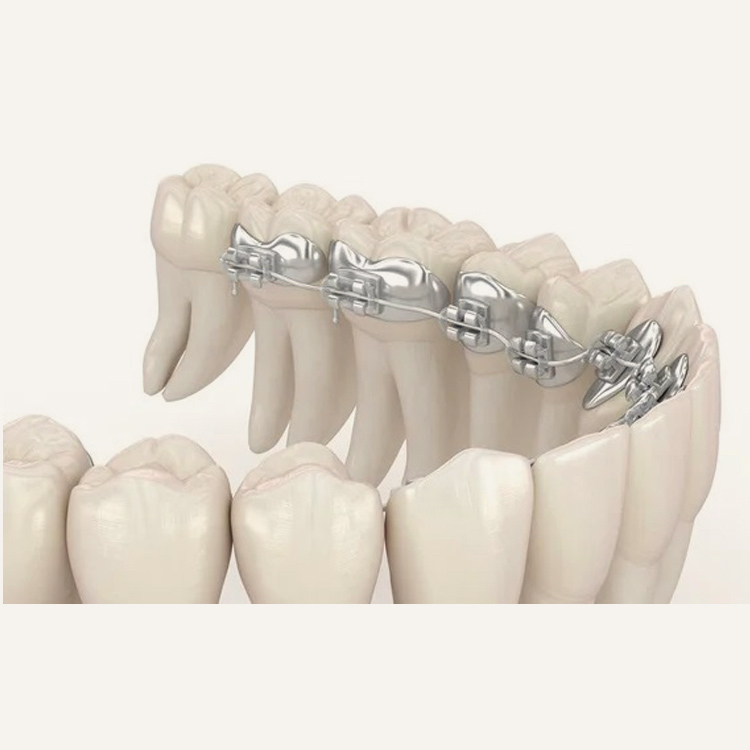
  • Orthodontic Management: Using braces or other dental devices to address alignment issues without extraction.

How to care after the treatment?

Your aftercare is very important to ensure that your recovery from wisdom tooth extraction is as smooth as possible.


  • Oral Hygiene: After 24 hours, rinse gently with a saltwater solution to keep the area clean.
  • Dietary Changes: Try to eat soft foods and steer clear of hot or spicy things that might irritate the wound.
  • Medications: Continue pain relievers and antibiotics as prescribed by their dentist.
  • Rest: Avoid physical activity for several days to minimize swelling and aid recovery.
  • Follow-up: Allow enough time for regular checks for healing and increased guidance.

Our Store

Call Us Make an Appointment