loader

Space Maintainers (Fixed/Removable)

Home› Treatments› Space Maintainers (Fixed/Removable)
Space Maintainers (Fixed/Removable) Treatment
Watch Video
Reviewed by Dr. Seby Varghese

Fast Facts

99% say it's "Worth It"
2500/- to 10000/-
Longevity: a space maintainer will be worn for 6 months to 2 years before removal to allow for the eruption of the permanent tooth.
Duration: 1 or 2 appointments, each lasting about 10-15 minutes.

Space Maintainers (Fixed & Removable)

A space maintainer is a dental appliance used in children to hold space for permanent teeth after a baby tooth is lost too early. When a baby tooth falls out prematurely, the surrounding teeth may shift into the empty space, causing misalignment and potential orthodontic issues in the future.

Ask Your Question
Share this page
What are space maintainers?

A space maintainer is a specialized dental appliance crafted specifically to manage tooth spacing after a primary tooth (baby tooth) has been lost early. Space maintainers are used to manage space, enable the functional positioning of the permanent tooth with appropriate guidance, and prevent an ill positioned permanent tooth or overcrowding in the dental arch. Space maintainers can be fixed and/or removable, are considered a cornerstone of modern pediatric dentistry.

Why Is It Needed?

Space maintainers assist to hold space, help manage overall healthy functions, and encourage the appropriate eruption of the permanent teeth. The teeth adjacent to a lost primary tooth will not forever wait and will ultimately drift into the space left by the lost tooth. The premature loss of primary teeth changes the eruption timing and path of the permanent teeth. Space maintainers can appropriately facilitate the dental arch in developing the way that was expected with an appropriately eruption process.

Who Should Consider It?

Who should consider space maintainers?

Space maintainers are indicated for the pediatric population, ages 4 - 12 years, who have lost one or more primary (baby) teeth prematurely. The ideal candidates include:

  • Children who have had an early tooth extraction due to caries or trauma.
  • Children with delayed eruption of permanent teeth.
  • Patients who are receiving interceptive orthodontic treatment in prevention of crowding.
  • Children with congenitally missing permanent teeth.

Oftentimes, a paediatric dentist will assess the child's dental development and jaw development, the sequence of eruption, and space in the mouth before recommending the placement of a space maintainer.

What are the Different Types?

Space maintainers can be narrowed down into two main groups:

1. Fixed Space Maintainers

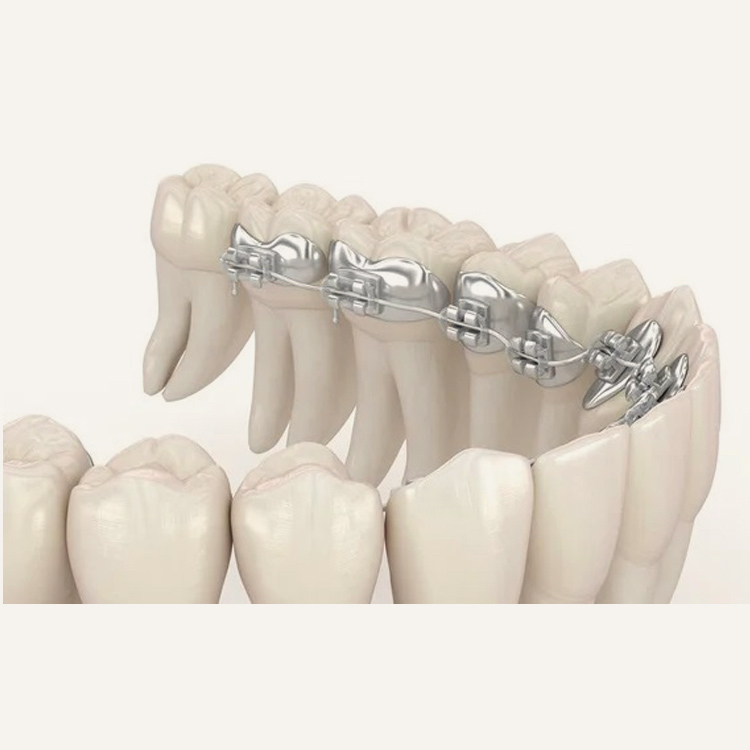
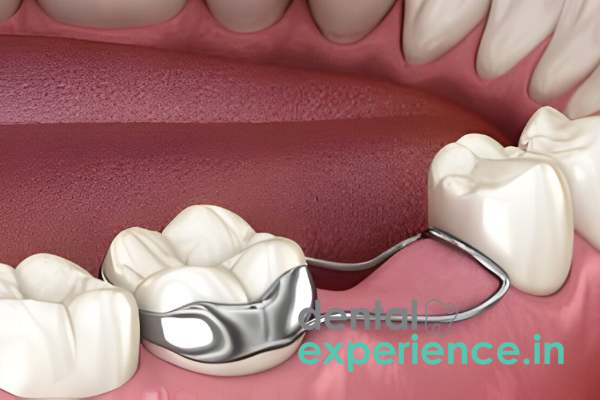
  • Band and Loop: A stainless-steel band is cemented to a tooth with a loop extending toward the space that was created by the missing tooth.
  • Lingual Arch: This is typically used if multiple teeth are missing and is typically used in the lower jaw.
  • Distal Shoe: This is used if the first permanent molar has not erupted yet.

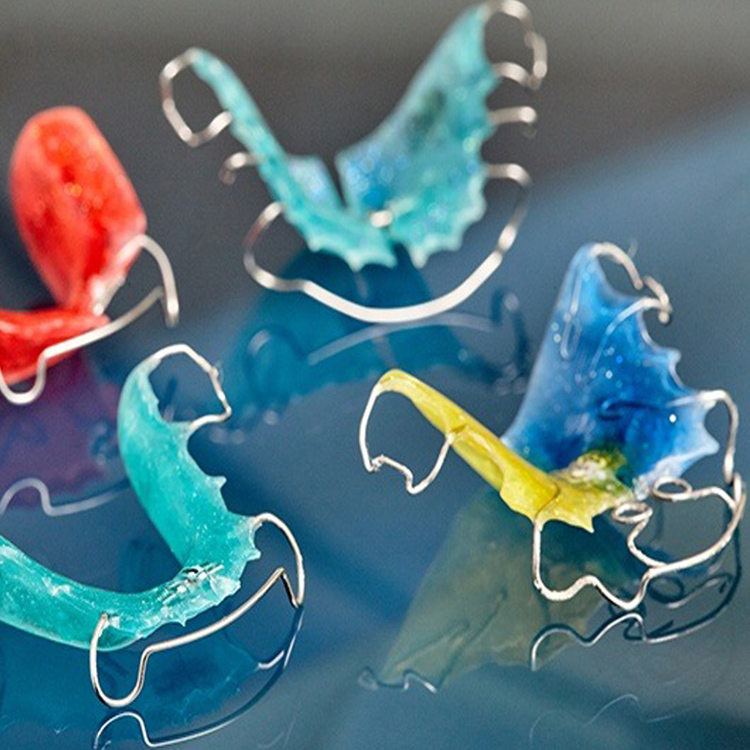
2. Removable Space Maintainers: These are acrylic with metal wires or clasps.

  • This option is good for cooperative children able to manage removable appliances. These can be taken out for cleaning, though there is a risk of misplacing them.

The decision will depend on the child's age, number of missing teeth, arch, and oral hygiene habits.

How is it done?

  • Consultation: The dentist will do an oral exam, take X-rays, and evaluate the space and eruption timing of the permanent teeth.
  • Impression and Appliance Fabrication: The dentist will take dental impressions to fabricate a custom space maintainer.
  • Fitting and Cementation: The custom appliance will be fit and cemented into place (if a fixed type). For removable appliances, instructions regarding wear and care would be provided.
  • Monitoring and Adjustments: Regularly scheduled follow-up appointments to monitor the fit of the appliance and the progression of eruption.
  • Removal: The space maintainer would be removed once the permanent tooth begins to erupt.

What benefits does it have?

  • Maintain proper alignment of future permanent teeth.
  • Prevent complex orthodontic problems from developing in adolescent years.
  • Allows proper growth of the dental arch in balance.
  • Assist in normal speech and chewing development.
  • Helps to avoid financial and time-consuming orthodontic treatment.

What make it better than the alternatives?

  • Braces or aligners treat malocclusions that develop, where space maintainers can actively prevent orthodontic problems from developing.
  • They are not invasive, relatively inexpensive, and appropriate for a child's dentition.
  • They work quietly to maintain space and move teeth in a methodical way during a critical period of development, achieving a more favorable pathway for oral health.

How long does it last?

The durability of a space maintainer is dependent on:

  • The age and growth of the child.
  • The trajectory of eruption of permanent teeth.
  • Oral hygiene and care of the appliance.

Generally, a space maintainer will be worn for 6 months to 2 years before removal to allow for the eruption of the permanent tooth. Fixed space maintainers can survive longer than removable ones given their better retention and the child is less likely to handle it.

How long does the procedure take?

It usually takes place over the course of 2-3 dental visits.

  • First visit - Examination and impression.
  • Second visit - Appliance fitting and placement.
  • Follow-up - Monitoring every 4-6 months.

The appliance fitting itself takes about 30-45 minutes. In the case of removable appliances, some extra time may be needed to educate both the child and parents on how to wear and care for the device.

What is the price of space maintainers in India?

The cost of space maintainers would range from ₹2,500 to ₹7,000, depending on the type (fixed or removable), complexity and clinic location.

What are the Risks and Complications?

Space maintainers are generally very safe; however, possible complications could be:

  • Gum/soft tissue irritation or soreness.
  • Appliance breakage or dislodgement.
  • Plaque build-up around the appliance.
  • Discomfort during the initial adjustment.
  • Delay in the eruption of the permanent tooth( if maintainers are not followed regularly).

Overall, these complications are rare and manageable through regular dental follow-ups and good oral hygiene.

What are the disadvantages?

  • They require strict oral hygiene to avoid the risk of decay around the appliance.
  • For removable types, children may misplace or not wear the appliance consistently.
  • A fixed space maintainer can make it challenging to floss the tooth surfaces effectively since the fixed appliance can be in the way.
  • Regular dental check appointments are always necessary to maintain proper high standards during care.
  • Space maintainers are not always indicated in all children. For instance, a child who has poor compliance or several missing teeth may not be the best candidate for space maintainers.


What are the Alternatives?

  • Orthodontic Intervention: To manage space loss, whether it's braces or aligners or some other intervention.
  • Tooth Extraction and Recontouring: For selected cases, tooth position and space can be adjusted through simple reshaping.
  • No treatment plan: Monitoring only if the space loss is minimal or tooth eruption is imminent.

  Normally, space maintainers would be the first line of intervention in most forms of premature loss.

How to care after the treatment?

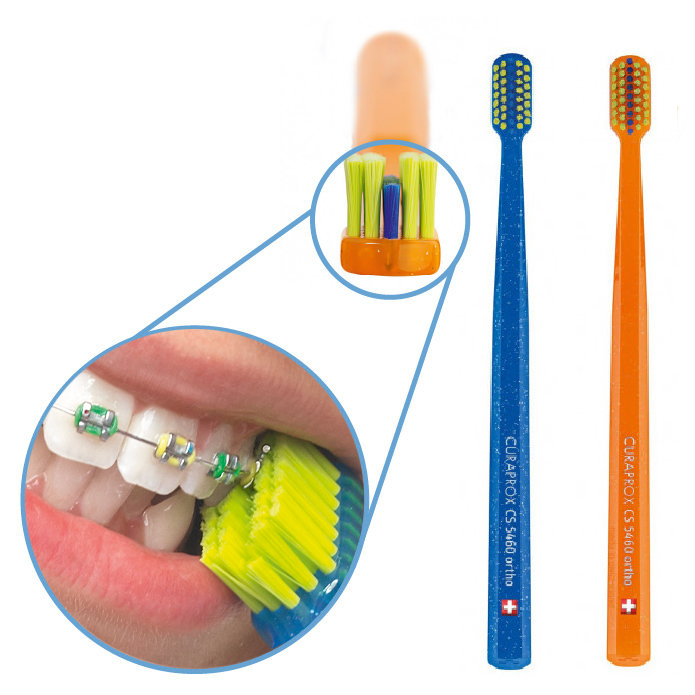
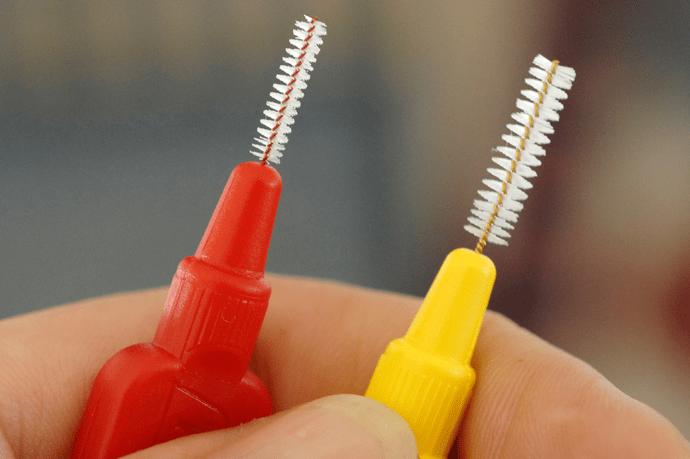
  • Brush and floss daily.
  • Avoid sticky or hard foods that could dislodge the appliance.
  • Routine dental checks (every 4-6 months).
  • If the child has considerable discomfort regarding the appliance, or if the appliance has come loose, they will need to report this to the dentist immediately.
  • If the appliance is removable, it is vital to clean the appliance with a toothbrush and particularly soak in any recommended solutions.

A high standard of care will ensure the success of the procedure and allow for teeth to continue to emerge through bones without complications.

 

Our Store

Call Us Make an Appointment