loader

Tooth colored filling for decayed primary tooth.

Home› Treatments› Tooth colored filling for decayed primary tooth.
Tooth colored filling for decayed primary tooth. Treatment
Watch Video
Reviewed by Dr. Seby Varghese

Fast Facts

99% say it's "Worth It"
500/- to 2000/-
Longevity: Composite fillings placed in primary teeth can be expected to last 3-5 years or longer.
Duration: 10 minutes to 30 minutes

Tooth-Colored Fillings for Decayed Primary Teeth

Tooth-colored (composite) fillings offer a safe, aesthetic solution for treating cavities in baby teeth. These fillings blend naturally with the tooth, are mercury-free, and help preserve your child’s oral health until permanent teeth erupt. Ideal for front and back teeth, they provide both function and a confident smile.

Ask Your Question
Share this page
What are tooth-colored fillings for decayed primary teeth?

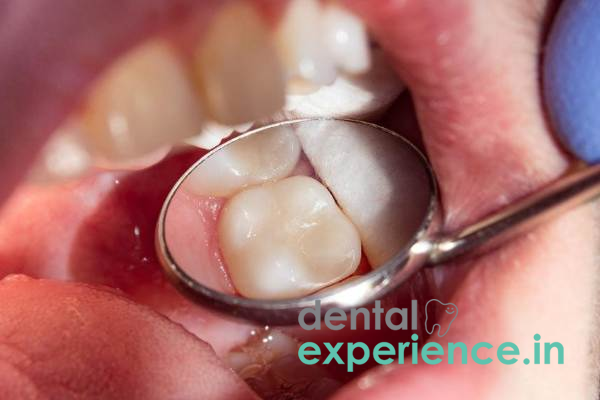
Tooth-colored fillings for the decayed primary teeth are restorations made with resin-based composite materials, which replicate the color of the natural teeth of children. Tooth-colored fillings offer a more aesthetic and biocompatible treatment approach than silver amalgam fillings. In modern pediatric dentistry, it is now recognized that the emphasis should not only be preserving the function of primary teeth, but also preserving a child's smile and confidence. Tooth-colored fillings (also known as composite fillings) achieve both purposes. 

Why Is It Needed?

Tooth-colored fillings are essentially necessary in the treatment of dental caries (cavities) present in primary teeth. Untreated dental caries can lead to pain, infection, and premature loss of the baby teeth and can lead to complications in the proper alignment of permanent teeth. The uses of tooth-colored fillings helps to:

  • Restore function and structure to the tooth.
  • Prevent more dental decay.
  • Allow proper chewing and biting.
  • Preserve space for a permanent tooth.
  • Enhance the child's smile and self-esteem.

In children, the early intervention of composite restorations for dental caries can eliminate the need for more advanced restorative treatment such as pulpectomy or crowns.

Who Should Consider It?

Tooth-colored fillings are appropriate for children with:

  • Small–moderate-sized cavities in primary teeth.
  • Visible decay on front teeth where appearance is valued.
  • Parents who do not want a dental restoration with mercury.
  • Allergies to, or sensitivity of any kind, to metals.

This treatment is most effective for older children who are cooperative and can withstand short dental appointments. Pediatric dentists assess the depth of decay, the child’s behavior, and the position of the tooth before recommending composite fillings.


What are the Different Types?

All tooth-colored fillings in children fall under the category of composite resin; however, there are a few variations.

  • Conventional composite resin is placed in layers and cured with a curing light. It is durable, aesthetically pleasing, and has many shades to match the tooth.
  • Flowable composite is less viscous and can be used in small cavities or as liner.
  • Glass Ionomer Cement (GIC) is another alternative that is not fully composite but does provide a tooth-colored option and has the added benefit of fluoride releasing properties. GIC is sometimes preferred for young children or cavities that are not load bearing.
  • Compomers are hybrids of composite resin and GIC and provide a combination of aesthetic appearance and fluoride release.

The selection will depend on the size of the cavity, location of the tooth, and cooperation level of the patient. 

What are the steps involved in the treatment?

The procedure to place a tooth-colored filling generally includes:

  • Diagnosis & Examination: Includes visual inspection, radiographs (x-rays), and caries detection methods.
  • Local Anesthesia (when needed): The first part of treatment is typically numbing the tooth and area so the child is comfortable during treatment.
  • Decay Removal: Once the child is numb, the decay is removed with either a dental drill or hand instruments.
  • Tooth Isolation: Next is to isolate the tooth with a rubber dam or cotton rolls to keep the area dry.
  • Etching & Bonding: The tooth surface will also need to be prepared with an acid etching gel before placing the bonding agent.
  • Composite Fillings: During the filling process, the composite resin is placed into the cavity in layers using a special blue curing light. The filling is shaped to have the right size and then polished to provide the appearance desired by the dentist.

It is considered a minimally invasive procedure and can usually be completed in one visit.

What are the benefits?

  • Aesthetic attributes: Composite resins can be easily matched to a natural tooth color making them especially ideal for use on the anterior teeth .
  • Conservation of tooth structure: Composite resins require minimal assuming, healthy dentin and enamel structure.
  • Bonding characteristics: Composite resins adhere to enamel and dentin, promoting.
  • Mercury-free: Composite resins are safe for children that may have metal sensitivities.
  • Early detection and prevention: Composite resin can be used in the process of sealing (preventive resin restorations).
  • Enhances function: Tooth-colored fillings enhance the restoration of normal chewing function and alleviate pain, while allowing the child to maintain self-esteem regarding their appearance.

What are the advantages over alternatives?

Compared to amalgam restorations, composite fillings will:

  • Last longer in children.
  • Provide a better aesthetic solution.
  • No associated metal taste or discoloration.
  • Less thermal sensitivity.
  • Better filling adaptation for small cavities.

How Durable are the Results?

Composite fillings placed in primary teeth can be expected to last 3-5 years or often longer depending on:

  • The position of the tooth (anterior vs. posterior).
  • Child’s oral health Diet (avoidance of sticky, hard foods).

While not as long-lasting as amalgam in some circumstances, today’s materials have become very durable for children over time. 

How long will it take?

The average time for placing a tooth-colored filling in a child takes anywhere from 20 minutes to 45 minutes per tooth. It depends on:

  • Size and location of cavity.
  • Child’s level of cooperation.
  • Need for local anesthesia.

Most children will return to regular activities shortly after, with little to no recovery time.

How much does it cost in India?

The cost of tooth-colored fillings in India depends on:

  • City/Location: For example, in metro cities like Mumbai, Delhi, or Bangalore, the cost will be higher.
  • Clinic Type: Private clinics charge more than public government hospitals.
  • Location of the Tooth: Usually, fillings in front teeth are less than molars.

The average cost per tooth ranges from ₹500 to ₹2,000 or so. Some clinics may even have child-friendly packages or insurance coverage depending on your dental plan.

What are the Risks and Complications?

While they are generally considered safe, there may be some risks. Concerns of complications include:

  • Tooth Sensitivity: Typically these symptoms are temporary but noted after treatment.
  • Chipping or Wear: This can be common for children who have a history of bruxism (grinding teeth).
  • Allergic Reaction: There is the possibility of an allergic reaction, but this is very rare in all cases of composite materials.
  • Secondary Caries (cavities): If oral hygiene is not kept up after the filling is placed.

Timely check ups and brushing well can help reduce chances of these complications.

What are the Disadvantages?

  • Less Durable than Amalgam: Particularly in high-stress areas such as molars.
  • Technique Sensitive: Requires a dry field and accuracy. Somewhat More
  • Expensive: Compared to GIC or amalgam.
  • Stains Over Time: Can stain if oral hygiene is not maintained.

Nevertheless, the benefits likely outweigh these minor limitations, particularly in anterior teeth or areas of visibility.

What are the Alternatives?

There are some alternatives to tooth-colored fillings including:

  • Amalgam Fillings: More durable, not aesthetic, and not mercury free.
  • Glass Ionomer Cement (GIC): Easier to place and fluoride releasing, good for young children .
  • Stainless Steel Crowns: For the molar with extensive decay.
  • Preventive Resin Restorations: For early stage caries.

Each alternative has different indications, and is dependent on how extensive the decay is and the child's needs.

How To Care Post-Treatment?

  • Avoid eating for at least 30 minutes after the filling.
  • Avoid sticky or hardened foods for a few days after the filling.
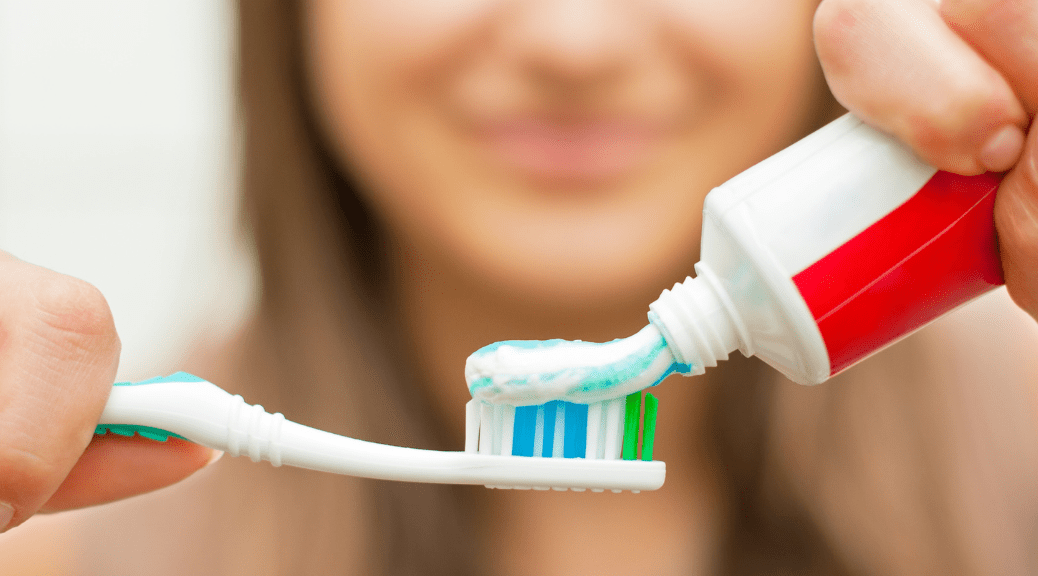
  • Brush twice daily with fluoride toothpaste.
  • Encourage flossing for older children.
  • Regular dental checkups every 6 months.

Teaching children how to maintain healthy oral habits after fillings have been placed can reduce decay and will ensure the restoration will last longer. 

Related Articles

Load More Articles

Our Store

Call Us Make an Appointment