loader

Night Guards

Home› Treatments› Night Guards
Night Guards Treatment
Watch Video
Reviewed by Dr. Seby Varghese

Fast Facts

99% say it's "Worth It"
5000-8000
Longevity: Long-term
Duration: 15 minutes

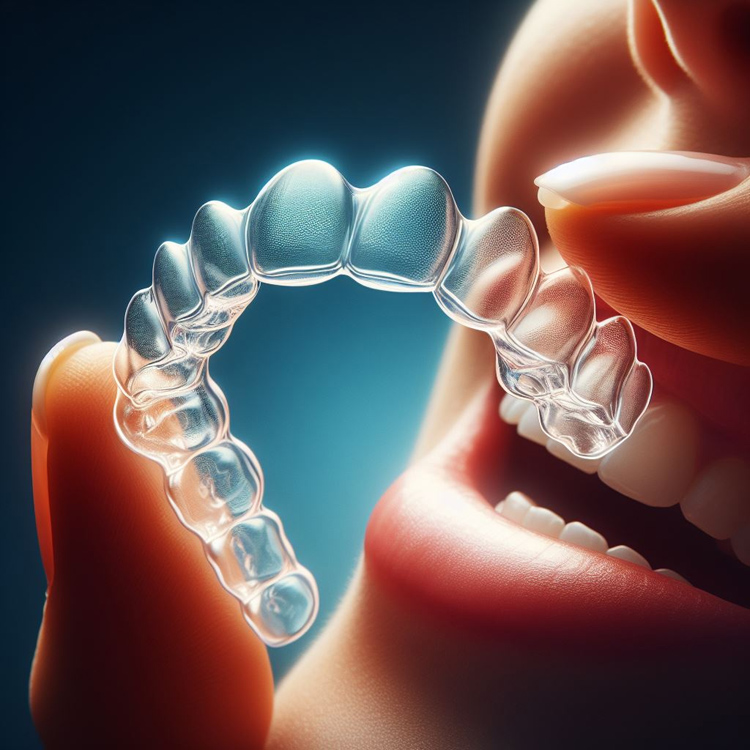
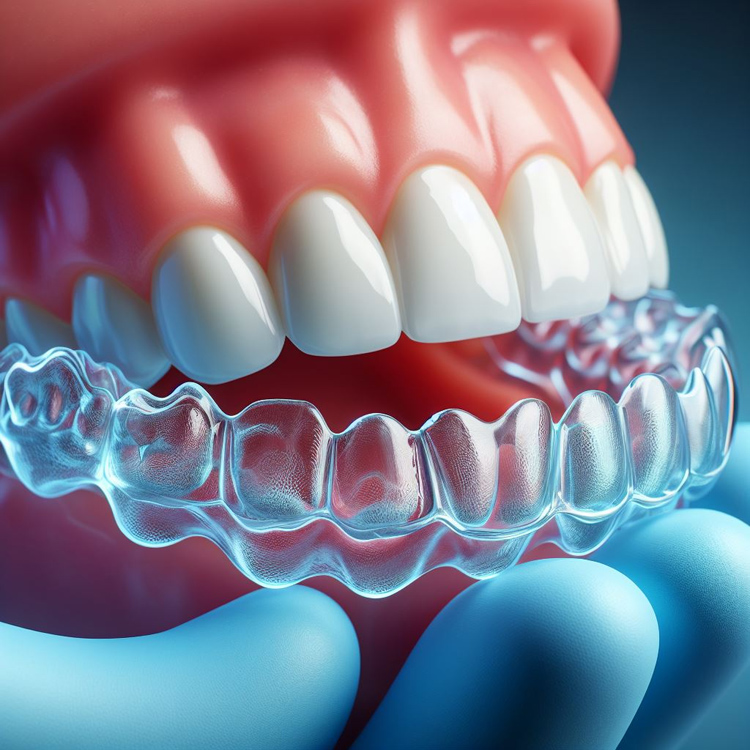
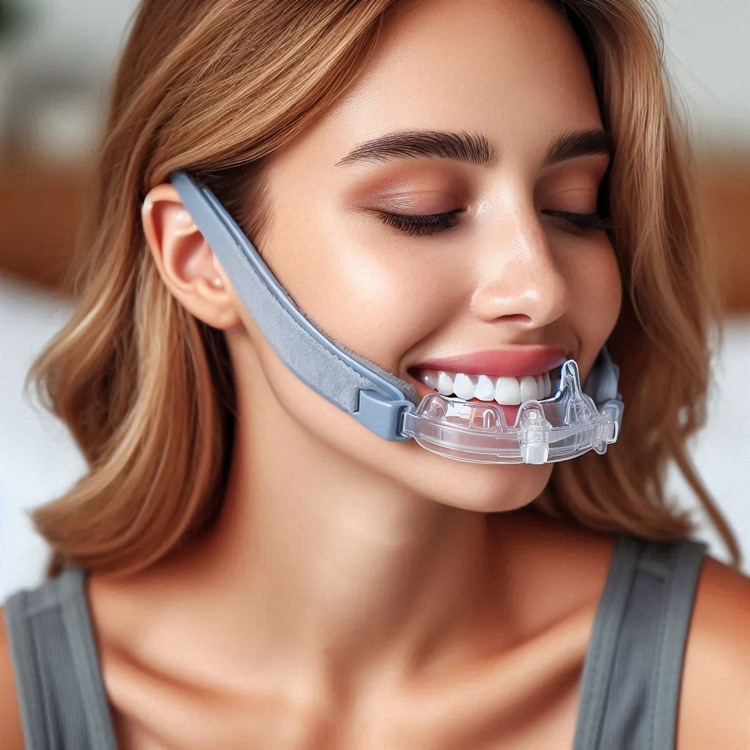
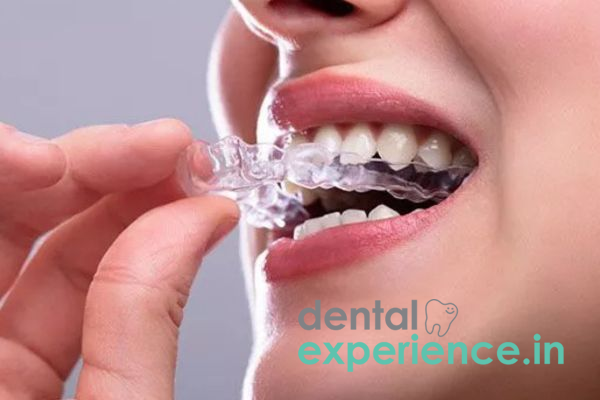
A mouth guard, otherwise known as a bite guard or a stabilization splint, is made of hard acrylic resin. There are a number of different designs to fit over the upper or lower teeth, or both, to either prevent grinding or to correct the position of the jaw. They are effective, especially for people who suffer from grinding.  It is recommended that mouth guards should only be used for a short period of time, and should be stopped before causing permanent changes to the bite. If at any time while using the guard you experience new or worsening pain, you should stop wearing it and notify your dentist.

Questions & Answers

QWhere in Kochi, Kerala can I get night guards/mouth guards? How much does a Night guard cost in Kerala, India?
Ask Your Question
Share this page
What are Bruxism Night Guards?

Bruxism night guards are custom-made dental devices that are worn while sleeping to protect against the damaging effects of teeth grinding and clenching. Bruxism, which usually occurs in response to stress or an incorrect bite, can result in damaging wear of the tooth enamel, as well as pain in the jaw and temporomandibular joint (TMJ) disorders. In India, they are being used more frequently in dental practice as a non-invasive way of treating complex dental problems associated with nocturnal bruxism and promoting durable oral health.

Why are Night Guards Needed?

Night guards are designed to provide space between the upper and lower teeth. It protects the teeth by absorbing the forces of grinding, preventing enamel wear, fractures and muscle tension. For bruxism patients, this preventive dental treatment protects teeth and relieves related pains such as jaw and headaches.

Who should use Night Guards?

Those who show signs of bruxism—like persistent teeth grinding, jaw pain, or early tooth enamel erosion—make ideal night guard candidates. Patients predisposed to TMJ issues, dental restorations, as well as stress-induced dental issues would certainly benefit from the night guard.

What are the types of Night Guards?

There are different types of night guards, each designed to cater to unique patient needs:

  • Custom-Made Night Guards: Providing an exact fit based on impressions of your teeth, these guards offer the best treatment for bruxism.
  • Boil-and-Bite Guards: These are semi-custom over-the-counter devices that can be adapted at home for a better fit than the standard stock models.
  • Hard Acrylic Guards: Generally used for more severe bruxism cases, featuring better durability and stability.
  • Soft Night Guards: These types of nightguards are made for comfort and are often recommended for mild cases or for patients who had discomfort with harder materials.

Steps involved in the procedure?

The process of acquiring a night guard involves several key steps:

  • Initial Consultation: The dentist reviews your dental history, looks for signs of bruxism. and discusses treatment options.
  • Taking Impression: A precise mold of your teeth is taken to ensure a custom fit.
  • Fabrication: The impressions are forwarded to a dental lab, where the night guard is created using high-quality materials.
  • Fitting and Adjustment: After your appliance is fabricated, you will return to the clinic for the fitting appointment. But it is adjusted to the best comfort and function.
  • Check-Up: A periodic follow up is done here to check the success of the night guard and make necessary changes.

What are the benefits?

Having night guards provides a number of advantages, such as:

  • Protecting Against Enamel Wear: They absorb the forces of grinding, keeping the enamel intact and avoiding its fractures.
  • Relieves Pain in the Jaw: Ease muscle strain and relieve TMJ pain.
  • Better Sleep Quality: By preventing nighttime disruptions, night guards can contribute to improved sleep.
  • Budget-Friendly Preventive Measure: They are a cost-effective preventive strategy that minimizes the need for extensive dental treatments down the road.

What makes it better than other options?

Night guards have a few unique benefits when compared to other treatment options:

  • Non-invasiveness: Unlike surgical or pharmacological actions, the night guard represents a conservative treatment that is non-invasive.
  • Customization: Custom-made to fit your bite and dental anatomy for optimal protection and comfort.
  • Reversibility: If your condition does improve, you can stop without any permanent changes.
  • Cost-Effectiveness: Combating further dental complications is generally less expensive than extensive restorative procedures in the long run.

How Long Does it Last?

The night guard is expected to last for a period between six months up to five months, all of which depends on the material used, the severity of bruxism as well as the oral hygiene habits of the patient. With proper care, a custom-fitted night guard can typically last between three and five years.

Durable acrylic guards may need to be adjusted or replaced over time if significant wear is noted. Regular check-ups help ensure that any signs of wear and tear are promptly addressed, so that the protective function remains effective over or extended period of time.

How Long Does the Procedure Takes?

If we consider the overall treatment time to make a night guard, it is the least among all. The first visit for the consultation and impression taking is 30 to 60 minutes long. Your dentist will then place a temporary denture until the permanent denture is made and ready for fitting. Fabrication in the dental laboratory can take anywhere from 1 week to 2 weeks, based on complexity and customization. After fitting, most patients adapt to wearing their night guard within a few nights.

How much does night guards cost in India?

Prices typically vary between INR 3,000 to INR 10,000. Together, this investment may initially feel like a lot, but the preventative benefits against extensive dental damage (and expensive dental restorations) make this very reasonable in the long run.

What are the Risks and complications?

  • Although night guards are safe and effective, risks and complications may arise such as:
  • Ill Fitting: An ill-fitting night guard can create pain, sore spots, or make bite issues worse.
  • Allergic Reactions: A rare number of patients may have sensitivities to the materials used.
  • Insufficient Protection: The device may not protect you against more extreme bruxism if the device is not set up correctly.
  • Oral Hygiene Problems: If the appliance is not cleaned well, bacteria will build up and cause oral infection.

What are the potential Disadvantages of night guards?

Even though they have numerous advantages, night guards are not without their downsides:

  • Short-Term Adjustment: Initial adjustment period might involve some discomfort or difficulty with speech.
  • Maintenance Needs: Regular cleaning and maintenance can be considered a hassle.
  • Adjustment Period: It may take a few nights for the patient to get used to wearing the appliance.
  • Dependent: One of the risk is to be addicted on the night guard, and forget other factors which contributes to bruxism like stress or bite misalignment,

What are the Alternatives?

  • Behavioral therapy: Stress and anxiety management may sometimes lower the occurrence of bruxism.
  • Medication: Muscle relaxants or anti-anxiety medications may be prescribed to help reduce grinding during sleep.
  • Teeth-aligning: You may also need orthodontic procedures or occlusal adjustment that can solve biting problems responsible for bruxism.
  • Other Dental Appliances: For some patients, other types of dental appliances may be recommended according to how severe the condition is.

How to take care after the treatment?

Following a few simple aftercare guidelines can keep your night guard functional and effective for as long as possible. Key guidelines include:

  • Clean Your Night Guard Regularly: You need to clean the night guard regularly. Stay away from toxic chemicals that can damage the material.
  • Storage: Store the night guard in a ventilated case when not in use to avoid bacterial growth.
  • Regular Dental Appointments: Plan follow-up visits to check how the appliance fits and how it is doing.
  • Watch for Changes: Let your dentist know without delay if you experience any discomfort or changes in your bite.
  • Replace When Necessary: Depending on its wear, get ready to change your night guard every few years to ensure its coverage.

Our Store

Call Us Make an Appointment