 Treatment
TMJ treatment helps relieve jaw pain, clicking, headaches, and muscle tension caused by temporomandibular joint disorders. Our customized care may include bite correction, night guards, physical therapy, or stress management. Safe and effective, TMJ therapy restores comfort and jaw function for long-term relief.
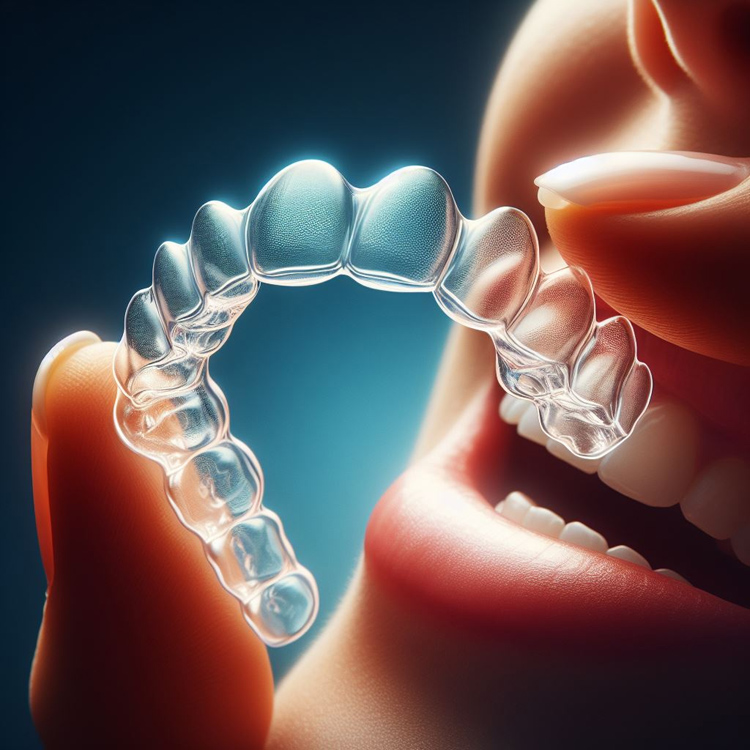
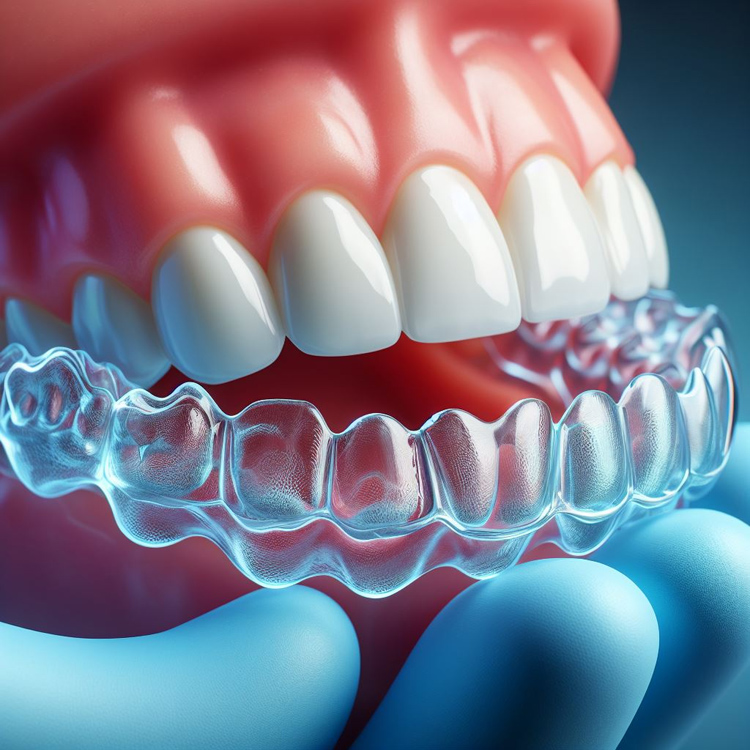
TMJ therapy is a type of dental care aimed to ease discomfort in the temporomandibular joint, the hinge that connects your jawbone to your skull. This method often includes the use of custom-made splints to realign the jaw, and injections of Botox to alleviate muscle tension. As modern dentistry continues to progress, such targeted treatments are becoming increasingly important in controlling chronic jaw pain and enhancing quality of life.
TMJ therapy mainly addresses pain relief, inflammation reduction, and realignment corrections. Splints are also used to redistribute pressure evenly and to stabilize the joint and reduce the activity of overactive muscles with Botox is also a component of treatment, contributing to decreased clenching and grinding. This dual approach is especially critical for patients experiencing chronic headaches, facial pain, or jaw clicking sounds, cementing the need for TMJ therapy in holistic oral health care.
Patients who have symptoms of temporomandibular joint disorders (TMD), including chronic jaw pain, difficulty chewing, or unexplained headaches. Also, people suffering from bruxism (a condition where people grind their teeth) or from jaw injuries could also benefit from the treatment.
There are mainly two types of TMJ therapy treatment modalities:
These modalities can be utilized alone, or in conjunction with one another, to suit the individual patient’s particular condition and response to therapy.
After evaluating the area with clinical and imaging studies, clinician assess the level of TMJ dysfunction and its severity. During splint therapy, a dental impression is taken to create a custom-fitted appliance that covers the teeth. On the other hand, Botox treatment requires meticulous injection of the affected muscles in an aseptic environment. Both of these procedures involve follow-up visits to assess progress and make adjustments as needed to achieve the best possible results moving forward.
The benefits of TMJ therapy include:
These benefits allow TMJ therapy to be an excellent option for TMD symptoms.
Splints help to minimise further damage by re-aligning the jaw, while Botox is aimed at muscle hyperactivity. This double effect not only alleviates symptoms but also promotes long-term relief with minimal side effects. Additionally, they are adjustable treatments, meaning that the practitioner has the flexibility to measure patients' response and adjust course as needed.
This will vary from one person to another depending on how serious the case is, if the TMJ patient has followed the treatment plan closely, and if they are taking proper lifestyle adjustments. With care, splints can last several years, while the effects of Botox are generally 3 to 4 months. These adjustments and routinely visits help maintain the effects of the treatment for a long period.
The first appointment for TMJ therapy might last anywhere from 30 to 60 minutes for your consultation and diagnosis. Making a splint typically takes an extra visit or two, whereas Botox injections can be done in a single visit of 15 to 30 minutes. While the procedures themselves are fairly quick, the total treatment course — including follow-up visits — can take place over the course of weeks to months to achieve ideal results.
The cost for TMJ treatments can depend on the severity of the condition, the type of therapy required, and the expertise of the health-care provider. Splint therapy tends to be cheaper, while Botox injections can be more expensive, given the specialization of the procedure. The approximate cost is INR 5,000 – 20,000 for splint therapy and INR 10,000 – 30,000 per session (botox) depending on the hospital. One should seek the opinion of a dental expert to get an estimate based on the needs.
The following are potential risks of TMJ therapy even though it is generally safe:
By following professional recommendations and check-ups, the risks of complications can be significantly reduced and five complicated treatment.
As effective as TMJ therapy can be, it certainly will not be right for every single patient, interested or otherwise. Others may simply be used to initial pain from splints or a delayed response to Botox. Furthermore, for those looking for a one-time fix, they require you to perform periodic maintenance and make regular adjustments, something which could be seen as a negative. Dental specialists stress that having realistic expectations is crucial in order to achieve a successful outcome.
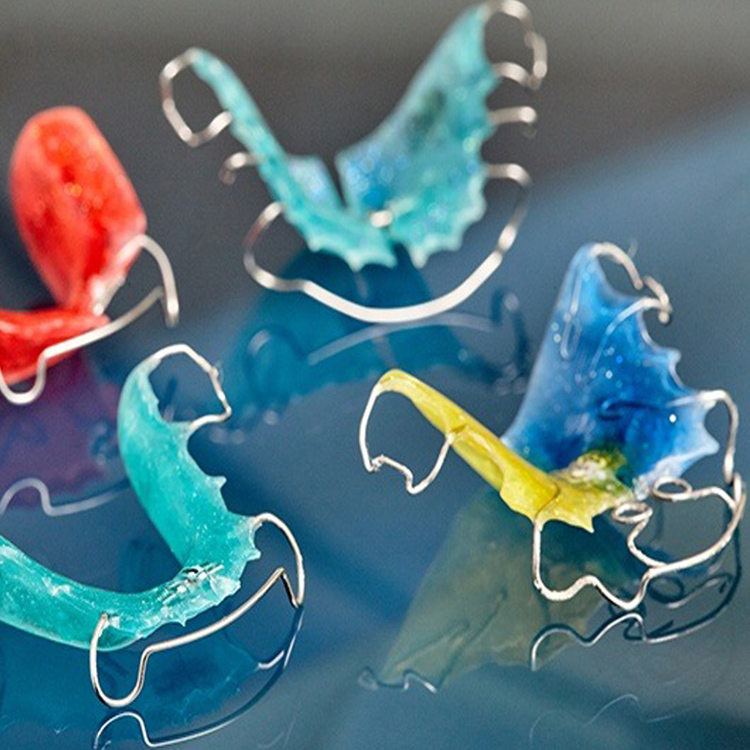
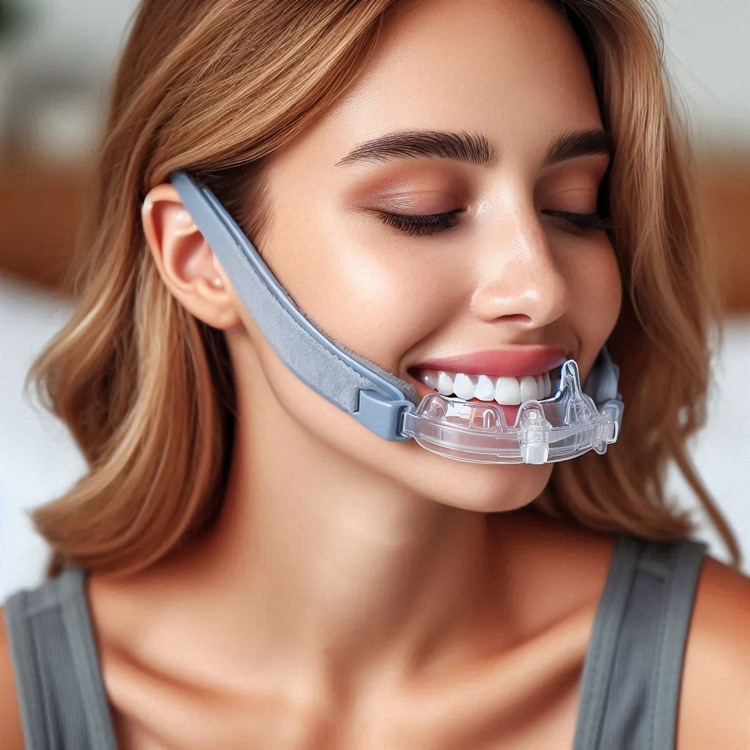
Some other alternatives for TMJ therapy are:
Each has advantages and drawbacks, and the decision must be guided by the patient’s individual circumstances and overall health status.
Patients are advised to:
However, effective aftercare not only increases the duration of benefits derived from the TMJ therapy, it also enhances a patient’s long-term dental health.







.jpg)
.jpg)
.jpg)
.jpg)
.jpg)
.jpg)
.jpg)
.jpg)
.jpg)
.jpg)
.jpg)
.jpg)