 Treatment
Sedation Dentistry (Nitrous Oxide/Oxygen)
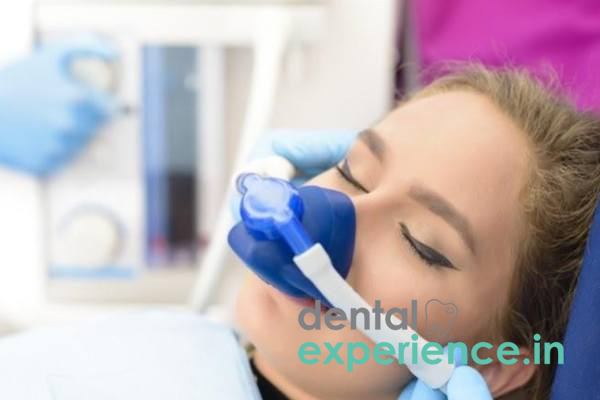
Nitrous oxide, commonly known as laughing gas, helps patients feel calm and relaxed during dental procedures. Safe for children and adults, this mild sedation wears off quickly and allows for a stress-free dental experience. Ideal for those with anxiety, sensitive gag reflex, or fear of dental work.
Sedation dentistry using Nitrous Oxide/Oxygen, also referred to as laughing gas, is a safe and effective tool when working with children in the dental environment to minimize anxiety and discomfort during their visits. It involves delivering a mixture of nitrous oxide and oxygen through a small mask placed over the child's nose, relaxing the child but still fully conscious and cooperative. In present-day dental practices, sedation dentistry is an invaluable technique for working with fearful or anxious children, allowing dental care to be a positive experience.
Many children come to the dentist fearful, anxious, or unable to sit still during a dental procedure. Sedation dentistry is designed to:
Nitrous oxide sedation is recommended for:
Nitrous oxide sedation is especially useful for children ages 3 or older who can understand and comply with simple instructions.
Sedation in pediatric dentistry can be categorized into various levels of sedation, also referred to as depth:
Nitrous oxide/oxygen sedation is the most frequently used method of minimal sedation for dental treatment because of its safety, ease of use, and the rapid effect and recovery that occurs.
This is a straightforward, child-friendly process that typically involves the following steps:
Some of the key benefits of sedation with nitrous oxide include:
For the reasons above, nitrous oxide is a front-line treatment option for many routine dental procedures for children.
The sedation effects of nitrous oxide occur after 2-3 minutes after administration and typically wear off about 5-10 minutes after stopping inhalation administration. The effects do not linger, which contributes to safety if recovery is of concern. The effects are not long-lasting. Children typically are returned to normal activity within an hour.
The actual procedure sedation time varies depending on the procedure:
The sedation effects of nitrous oxide may be shorter than oral sedation or IV sedation; however, the overall appointment times do not significantly increase before and after treatment.
In India, the expense of paediatric dentistry featuring nitrous oxide sedation usually lies between ₹2,000 and ₹6,000 per session, which may depend on one or more of the following factors: the city, or region (metropolitan areas may charge more); the complexity and/or duration of the procedure; and of a private clinic vs a hospital, with some private clinics offering this sedation service as part of their treatment packages and others charging separately— insurance rarely covers this procedure unless linked to a health or comprehensive dental plan.
While nitrous oxide is considered one of the safest sedative options, some uncommon complications associated with nitrous oxide include:
Most of the effects are brief and managed reasonably easily, and dental professionals are trained to manage any unexpected reactions at the time of treatment.
There are potential downsides associated with nitrous oxide sedation:
Other forms of sedation in paediatric dentistry include:
Each option has their own indications and are dependent on the child's age, health status and complexity of the procedure.
Following care is easy but as important:
Most children begin to revert back to their normal selves within a short period.





.jpg)
.jpg)
.jpg)
.jpg)
.jpg)
.jpg)
.jpg)
.jpg)
.jpg)
.jpg)
.jpg)
.jpg)