 Treatment
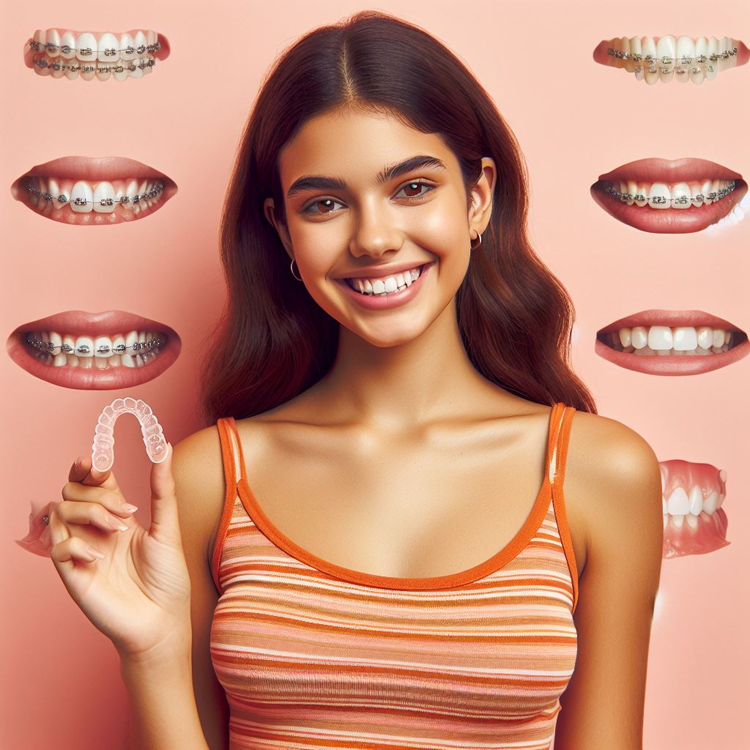
Clear orthodontic braces are effective devices used to straighten teeth, correct bite issues, and improve smile alignment. Suitable for kids, teens, and adults, these braces deliver reliable results while being less noticeable than traditional metal options. For those seeking advanced orthodontic treatment in Kochi, clear orthodontic braces combine effectiveness with aesthetics, making them a popular modern choice.
Clear orthodontic braces are advanced dental devices designed to align and straighten teeth discreetly. They are widely used to address various dental concerns, including misaligned teeth, overcrowding, gaps, and bite issues such as overbite or underbite. These braces work by applying continuous, gentle pressure on the teeth, gradually guiding them into their ideal positions.
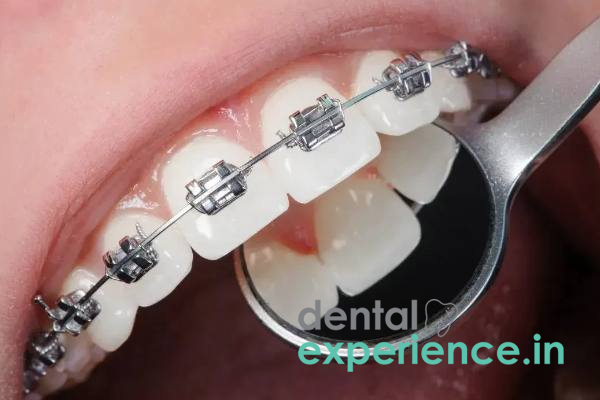
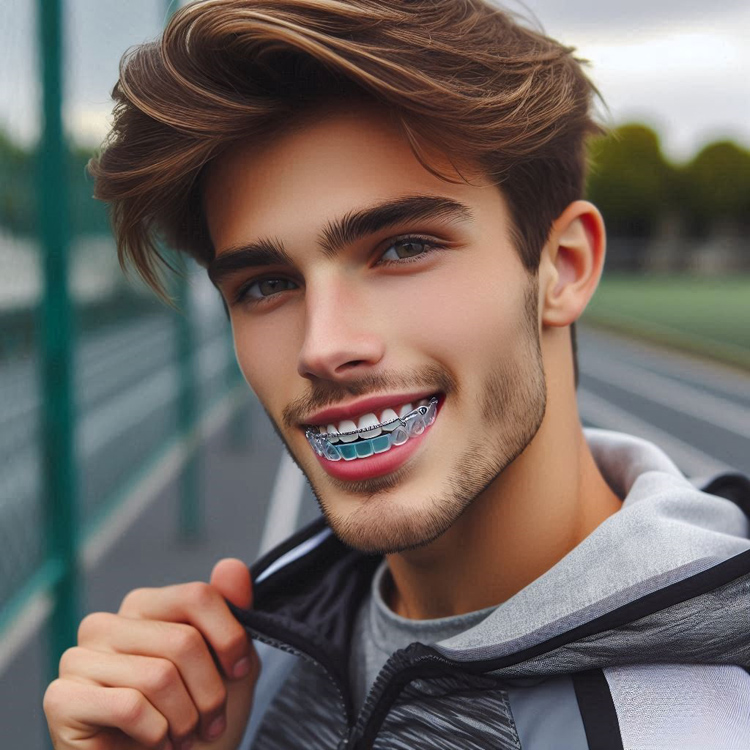
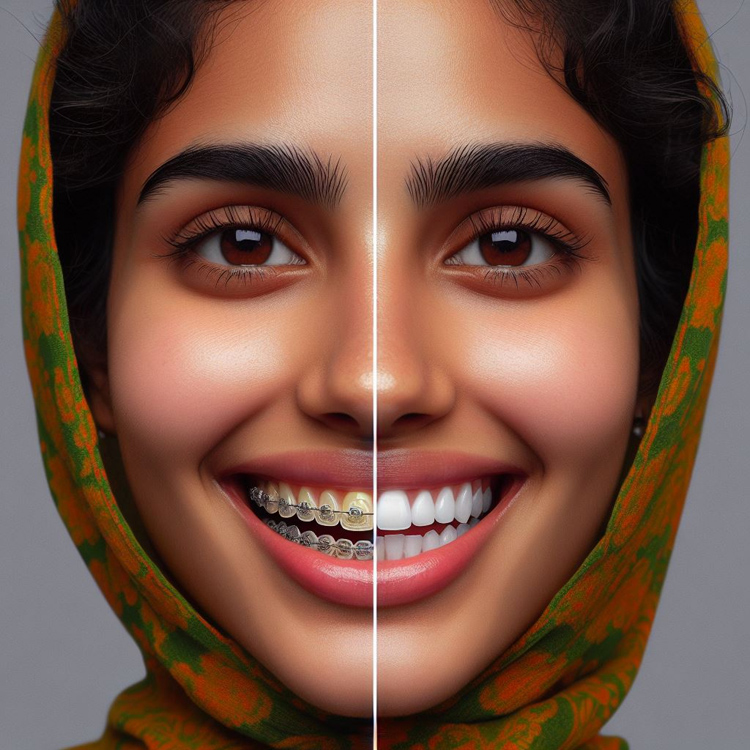
Unlike traditional metallic braces, clear orthodontic braces use transparent or tooth-colored materials, making them a popular choice among individuals who prefer a more aesthetic solution. The system consists of brackets fixed to the teeth and wires threaded through them, offering effective results while maintaining a subtle appearance.
For those considering improving their smile, professional orthodontic treatment in Kochi provides personalized care tailored to individual needs. This treatment not only enhances dental aesthetics but also promotes better oral health, making cleaning easier and reducing the risk of tooth decay and gum disease.
The primary goal of orthodontic treatment in Kerala is to achieve proper tooth alignment, which benefits both aesthetics and oral health. Misaligned teeth can make cleaning difficult, increasing the risk of cavities, gum disease, and uneven wear. Correcting bite issues enhances chewing efficiency and speech clarity while helping prevent problems such as jaw pain or temporo-mandibular joint (TMJ) disorders.
Today, many patients prefer clear orthodontic braces, which provide the same effective results as traditional braces but with a more discreet, aesthetically pleasing appearance. This modern option allows individuals to straighten their teeth with confidence throughout the treatment process.
Ultimately, orthodontic treatment is not just cosmetic; it has a significant functional impact—improving oral hygiene, promoting long-term dental health, and preventing complications arising from crooked or improperly aligned teeth, all while boosting self-confidence with a more attractive smile.
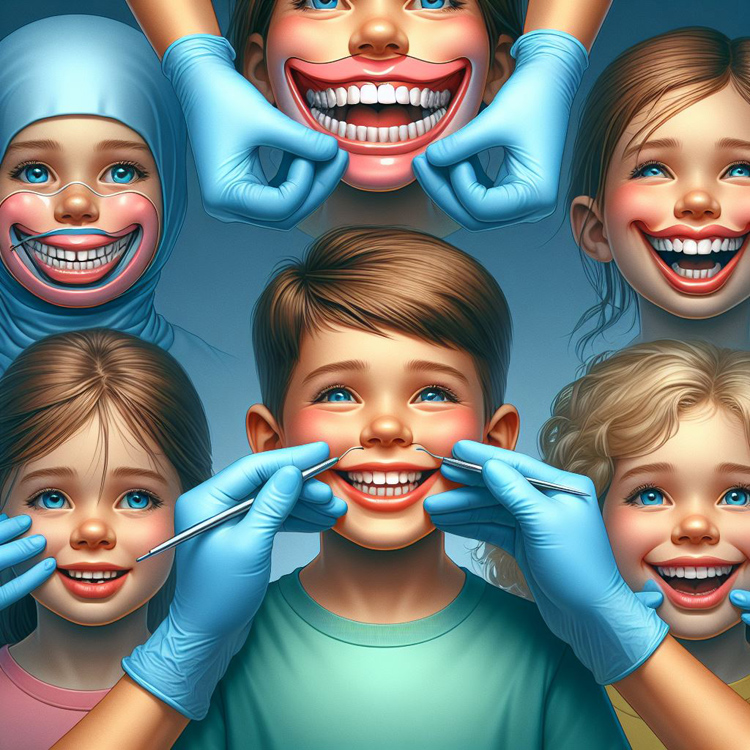
Orthodontic braces are suitable for individuals with a wide range of dental alignment concerns. Children and teenagers are often ideal candidates, as their developing jaws make it easier to correct bite problems. However, adults can also benefit from orthodontic treatment to address long-standing alignment issues. Common cases include overcrowded or crooked teeth, excessive gaps, and bite irregularities such as overbites, underbites, and crossbites. Individuals who struggle to clean misaligned teeth—leading to frequent cavities or gum issues—are also good candidates for braces.
Before beginning orthodontic treatment in Kerala, it’s essential to resolve any underlying dental problems, such as tooth decay or gum disease, to ensure the best possible results. With the right care plan, orthodontic braces can help create a healthier, more confident smile at any age.
Orthodontic braces come in various types, designed to suit different dental needs, aesthetic preferences, and budgets. Here’s an overview of the most common options:
1. Metal Braces
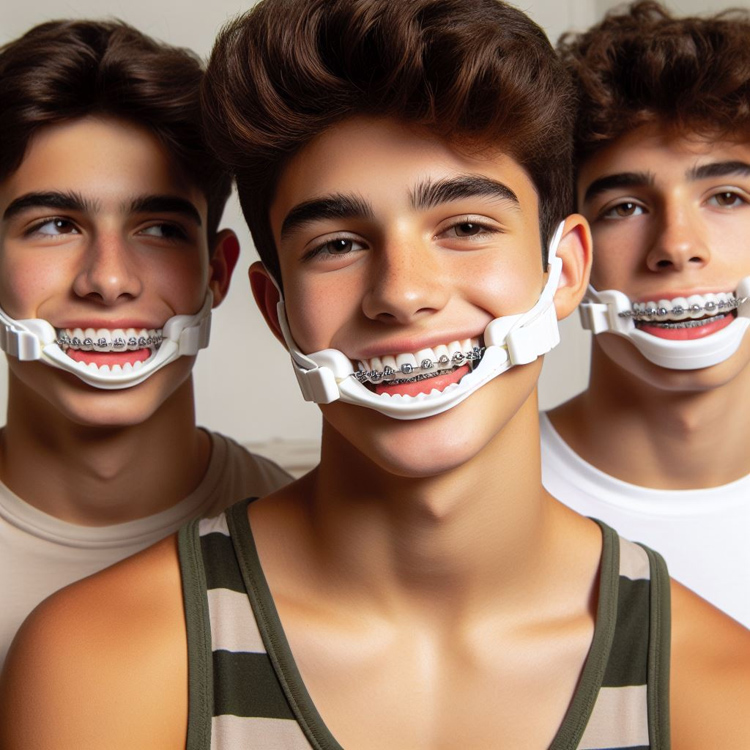
Metal braces are the traditional choice for orthodontic treatment. Made from stainless steel, they are highly durable and effective, capable of correcting severe dental issues. Modern designs are smaller and less bulky than older versions, making them more comfortable. They are also the most affordable option, which makes them accessible for a wide range of patients. However, their visibility may deter individuals seeking a discreet option. Colored elastics, often chosen by younger patients, can add a fun, personalized touch.
2. Ceramic Braces
Ceramic braces are a popular alternative for patients who prioritize aesthetics. The brackets are tooth-colored or translucent, blending seamlessly with natural teeth. They offer the same effectiveness as metal braces but are less visible, making them ideal for adults and teens concerned about appearance. However, they are more fragile and prone to staining if not properly maintained. Extra care is required to avoid foods and beverages that could discolor the brackets over time.
3. Plastic Braces
Plastic braces, often made from polycarbonate material, are another affordable option. They can be tooth-colored for a more aesthetic look, but they are bulkier than ceramic braces. Plastic brackets are less durable, with a higher tendency to discolor and break under pressure. These factors may extend treatment time if breakages occur frequently. While they are not as widely used today, plastic braces remain an option for those seeking a low-cost solution.
4. Resin Braces
Resin braces are made from composite resin materials that combine plastic and ceramic particles. They are more durable than plastic braces and offer better stain resistance. The tooth-colored material matches the shade of natural teeth, providing an aesthetic appeal similar to ceramic braces. However, resin braces are less durable than full ceramic or metal options and may require extra care to avoid damage.
5. Sapphire Brackets
Sapphire brackets are made from a single-crystal synthetic sapphire, offering exceptional clarity and light transmission. These brackets are nearly invisible, making them an excellent choice for patients who value aesthetics. They are strong and resistant to chipping, though they tend to be more expensive than ceramic braces. Patients must maintain good oral hygiene to preserve their appearance throughout treatment.
6. Self-Ligating Braces
Self-ligating braces use specialized brackets with built-in clips or doors to hold the wire in place, eliminating the need for elastic ties. This design reduces friction, shortens treatment time, and makes adjustments less painful. Available in both metal and ceramic options, self-ligating braces are more hygienic, as they accumulate less plaque. They are an efficient choice for patients seeking quicker results with less frequent orthodontic visits.
7. Fast Braces
Fast braces utilize advanced triangular brackets and wires to accelerate tooth movement, reducing treatment time significantly. Available in metal or ceramic, they are ideal for patients looking for faster results without compromising on effectiveness. However, their success heavily depends on the orthodontist's expertise and the complexity of the case.
8. Lingual Braces
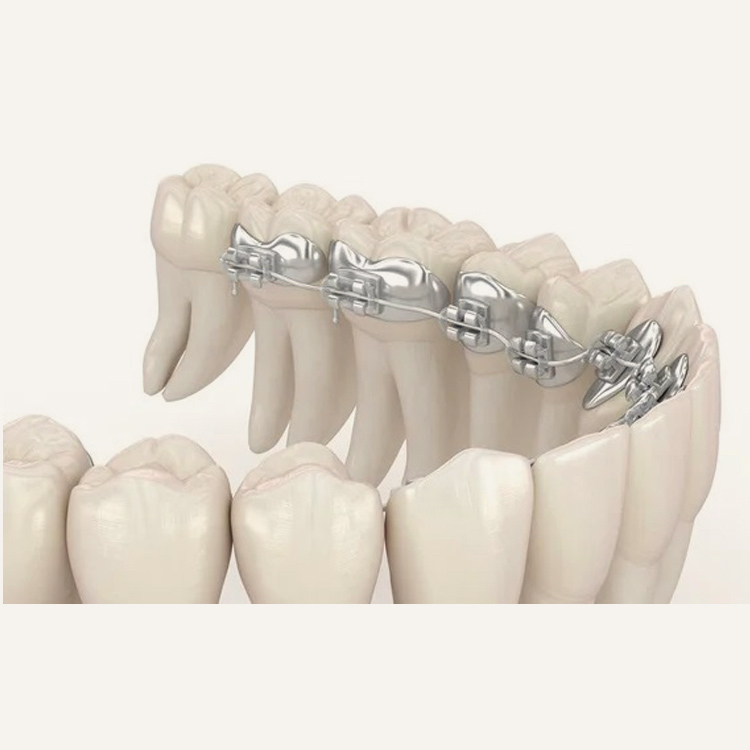
Lingual braces are fitted on the inner surface of the teeth, making them completely invisible from the outside. They are customized to each patient’s dental structure for precise results. While they offer unparalleled discretion, lingual braces may cause initial discomfort and speech adjustment. They also require meticulous cleaning and frequent orthodontic visits. Due to their complexity, they are often more expensive than traditional braces.
9. 3D-Printed Brackets
3D-printed braces are the latest innovation in orthodontics, offering unmatched customization and precision. Using advanced technology, these brackets are designed to fit each patient’s unique dental anatomy perfectly. Available in tooth-colored or transparent materials, they combine aesthetics with functionality. The smoother design minimizes irritation, enhancing comfort during treatment. While 3D-printed brackets are more expensive, their tailored fit ensures effective and efficient tooth movement.
Each type of brace has its unique advantages and limitations. Consulting with an orthodontist will help you determine the best option based on your dental condition, lifestyle, and aesthetic preferences.
Orthodontic treatment begins with a consultation to assess dental alignment and overall oral health.
The process may involve X-rays, molds, or digital scans to create a treatment plan.
Before fitting braces, teeth are cleaned, and any issues like decay are resolved.
Brackets are then bonded to the teeth, and wires are secured to guide movement.
Regular follow-up appointments adjust the braces to ensure steady progress.
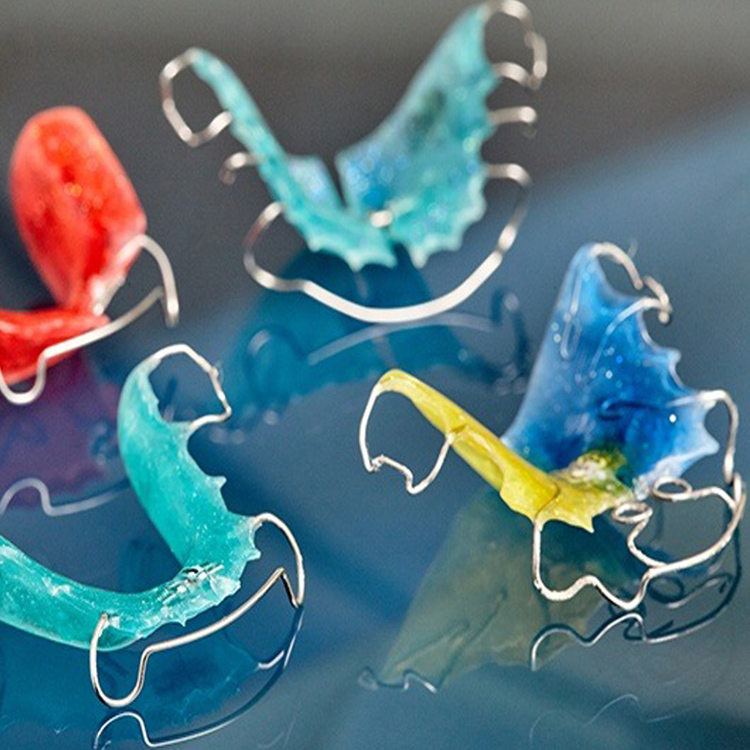
Once alignment is achieved, braces are removed, and a retainer is provided to maintain results.
Throughout the journey, patients must maintain good oral hygiene and follow the orthodontist's instructions for optimal outcomes.
Orthodontic braces offer a host of benefits beyond a straighter smile. Properly aligned teeth are easier to clean, reducing the risk of cavities and gum disease. A corrected bite improves chewing and digestion while preventing excessive wear on individual teeth. For many, braces boost self-esteem by transforming their smile. Furthermore, treatment can alleviate issues like jaw pain, speech difficulties, and discomfort caused by misaligned teeth. Long-term benefits include better oral health and lower dental treatment costs in the future, as aligned teeth are less prone to damage and decay compared to misaligned ones
Clear orthodontic braces provide transformative advantages for both dental health and personal confidence. They can correct even severe alignment issues, offering lasting improvements in functionality and aesthetics. By aligning teeth, clear orthodontic braces create a uniform bite, making everyday tasks like eating and speaking more comfortable. Properly aligned teeth are also less susceptible to decay and gum disease.
Modern orthodontic treatment in Kochi offers versatile options, catering to aesthetic preferences with solutions like clear or tooth-colored brackets. Advancements in orthodontics have also made braces more comfortable and efficient, reducing treatment times and discomfort compared to earlier methods, while ensuring lifelong benefits for patients.
The durability of braces depends largely on the material used. Traditional metal braces, made of stainless steel, are highly resilient and capable of withstanding the forces involved in tooth movement. Ceramic and sapphire braces, though aesthetically pleasing, require more care to prevent chipping. Plastic and resin braces are less durable and more prone to staining. Self-ligating and 3D-printed options offer a balance of durability and convenience. Proper maintenance, such as avoiding hard or sticky foods and practicing good oral hygiene, ensures the longevity of braces, keeping them functional and effective throughout the treatment duration.
The duration of orthodontic treatment varies based on individual cases and the type of braces used. On average, treatment lasts between 10 months and 2 years. Complex cases, such as severe misalignment or bite issues, may take longer. Self-ligating and fast braces can reduce treatment time by employing advanced mechanics. Regular follow-ups ensure progress and make necessary adjustments. Factors like patient compliance, including wearing retainers post-treatment, can also influence the timeline. While treatment may feel lengthy, the long-term benefits of a straightened smile and improved dental health make the investment worthwhile.
The cost of clear orthodontic braces depends on the type and complexity of the treatment, as well as the expertise of the orthodontist. Traditional metal braces remain the most affordable option, typically ranging from ₹15,000 to ₹45,000. Ceramic braces, which are less noticeable, generally cost between ₹35,000 and ₹50,000. Premium clear options like sapphire or lingual braces often exceed ₹90,000, while advanced systems such as 3D-printed brackets or fast braces can go up to ₹2,00,000.
Several factors influence the cost of clear orthodontic braces, including the orthodontist’s experience, clinic location, and any additional procedures such as extractions. Many dental clinics also offer flexible payment plans, making it easier for patients to access orthodontic care within their budget.
While braces are generally safe, they come with potential risks and complications. Patients may experience initial discomfort, soreness, or irritation from brackets and wires. Poor oral hygiene during treatment can lead to cavities or gum disease. Breakage of brackets or wires may require additional appointments. Certain braces, such as ceramic or plastic ones, are prone to staining or damage. Lingual braces, positioned on the back of teeth, can cause tongue irritation and speech difficulties initially. Following the orthodontist’s guidance, maintaining proper care, and addressing issues promptly can minimize risks and ensure a smooth treatment process.
Orthodontic braces, despite their benefits, have some downsides. Traditional metal braces are highly visible, which may make patients self-conscious. The treatment process can be prolonged, requiring commitment and regular dental visits. Braces also impose dietary restrictions, as sticky or hard foods can damage wires or brackets. Maintaining oral hygiene is more challenging, with braces trapping food particles. Certain types, such as ceramic or resin braces, are fragile and need extra care. Discomfort, especially after adjustments, is common but temporary. For those seeking discreet options, alternatives like clear aligners may be more suitable but come at a higher cost.
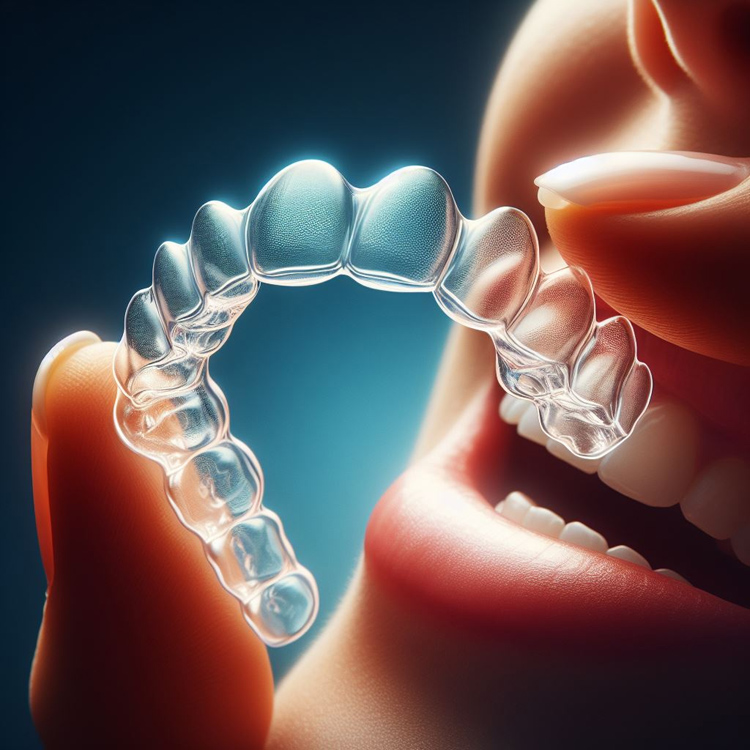
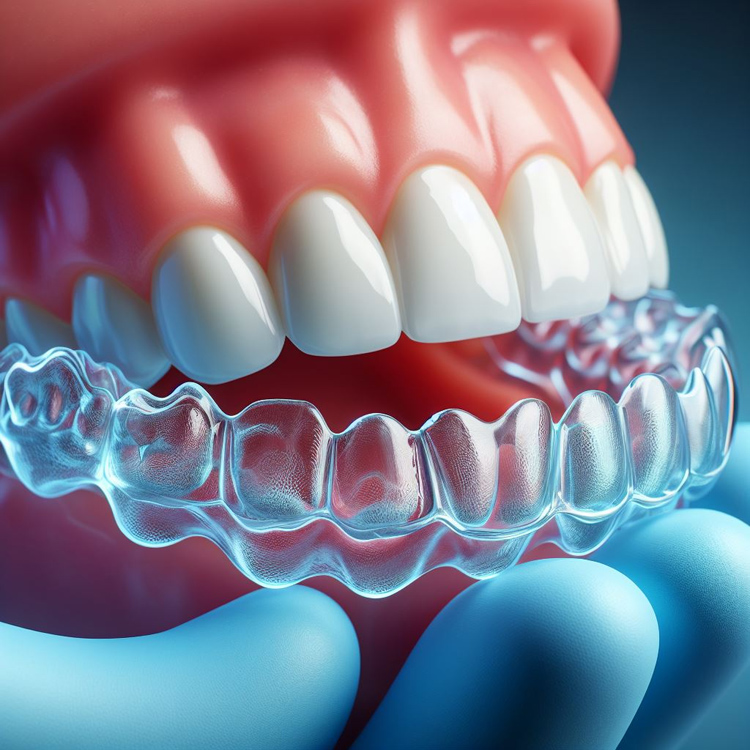
For patients seeking alternatives to traditional braces, several options are available. Clear aligners, such as Invisalign, provide a nearly invisible solution and can be removed for eating and cleaning. Lingual braces, placed behind the teeth, offer discreet alignment. Retainers can correct minor misalignments or maintain results after braces. Other methods, like veneers or dental bonding, may address cosmetic concerns without full orthodontic treatment. These options cater to varying needs, preferences, and budgets. However, consulting a dentist/orthodontist is essential to determine the most suitable treatment based on the severity of misalignment and individual goals.
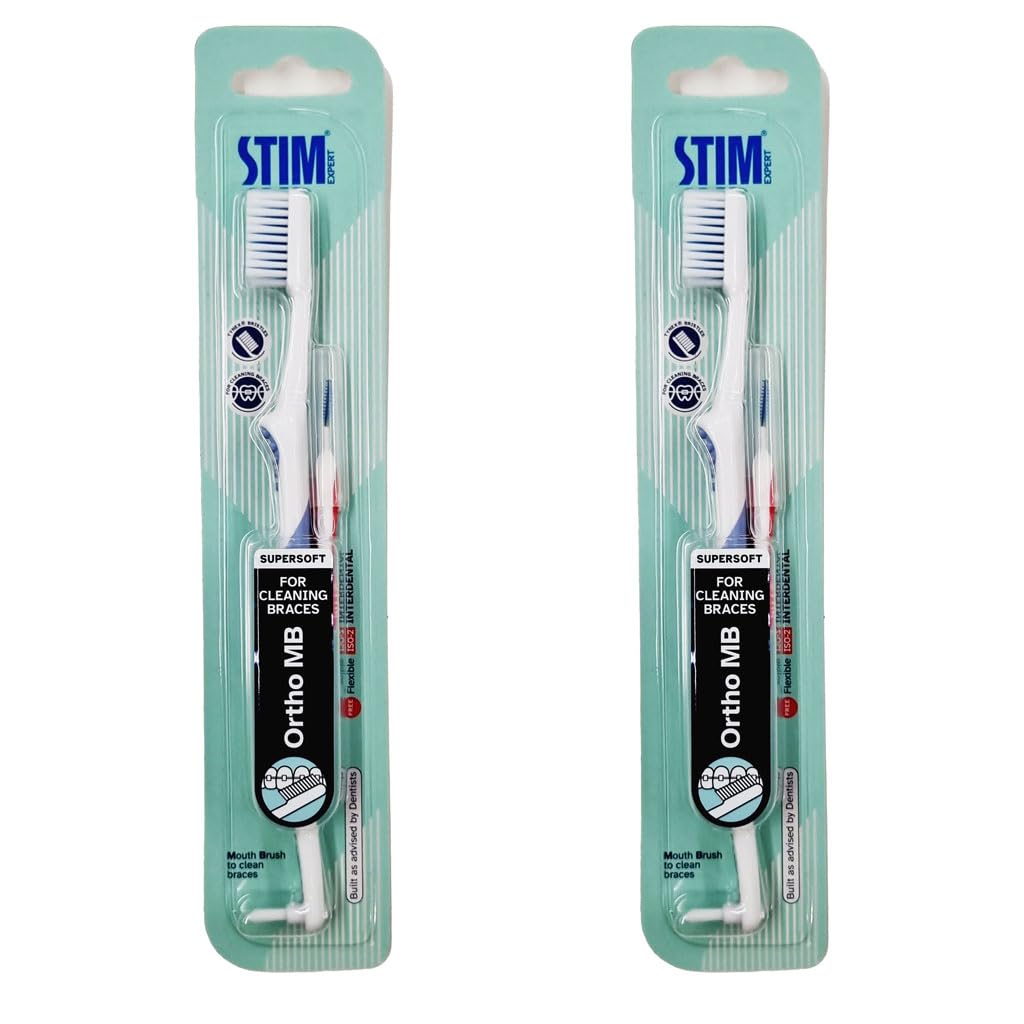
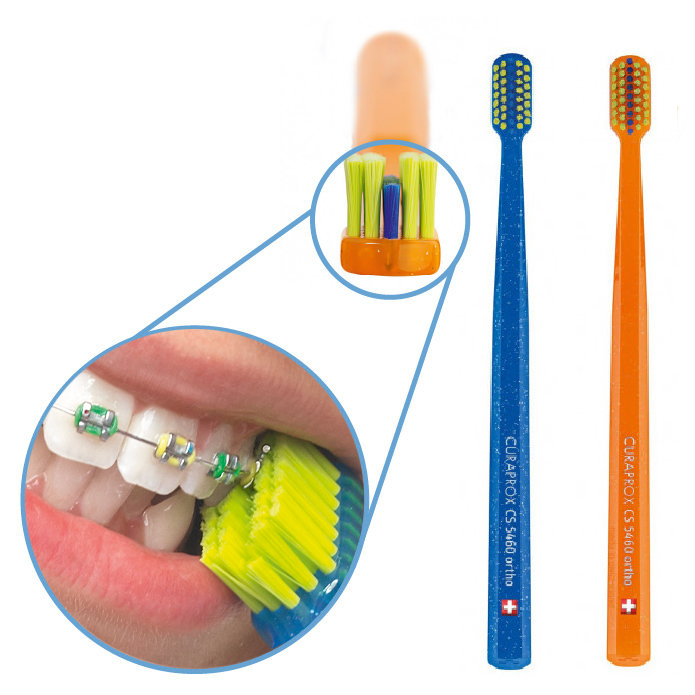
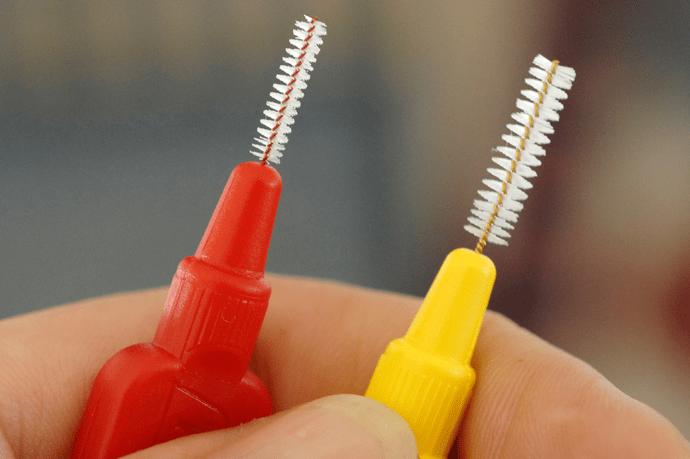
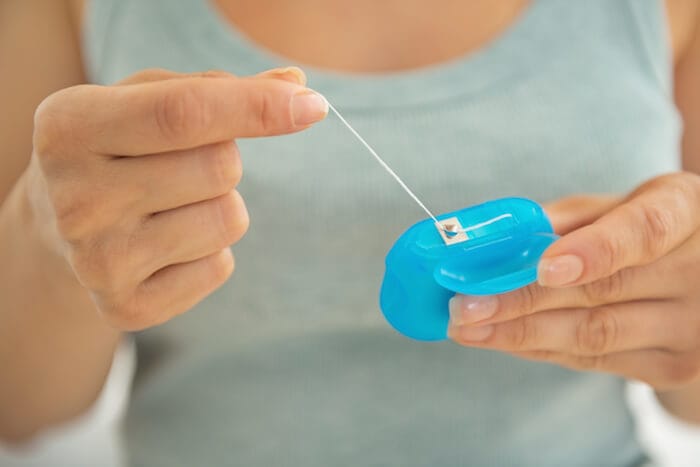
Proper aftercare is crucial for maintaining the results achieved with braces. Once the braces are removed, patients typically need to wear retainers as instructed to prevent teeth from shifting back. Maintaining excellent oral hygiene is vital, as braces can leave teeth and gums vulnerable. Regular brushing, flossing, and dental check-ups ensure long-term dental health. Avoiding hard or sticky foods that can stress teeth and jaw alignment is also recommended. Any discomfort or concerns, such as shifting teeth or damaged retainers, should be promptly addressed with the orthodontist. Commitment to aftercare ensures lasting results and a beautiful smile


.jpg)
.jpg)
.jpg)
.jpg)
.jpg)
.jpg)
.jpg)
.jpg)
.jpg)
.jpg)
.jpg)
.jpg)