loader

Ceramic Braces

Home› Treatments› Ceramic Braces
Ceramic Braces Treatment
Watch Video
Reviewed by Dr. Seby Varghese

Fast Facts

99% say it's "Worth It"
45000/- to 100000/-
Longevity: With proper care, ceramic braces will last over its entire ortho treatment, generally 18-36 months.
Duration: Between 1.5 - 3 years

Ceramic Braces
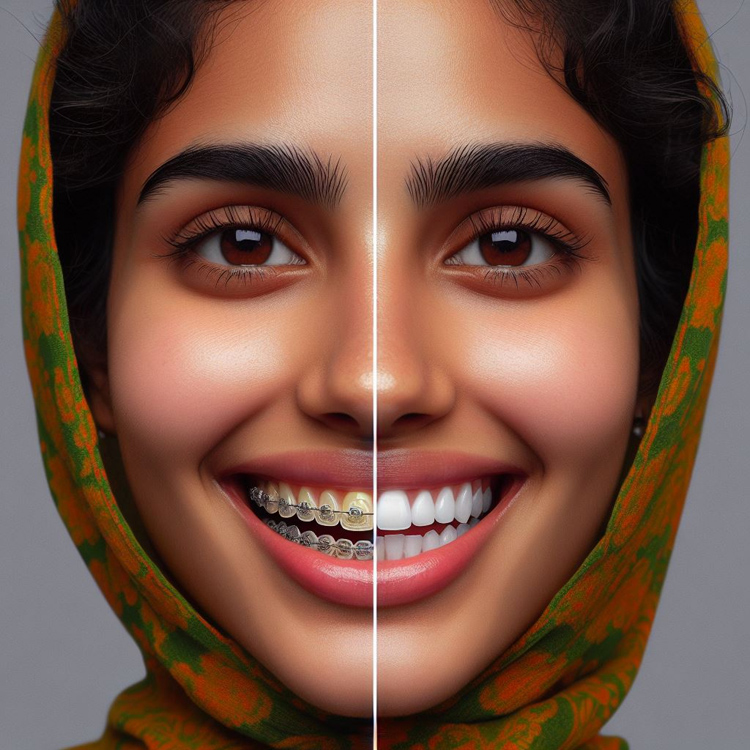
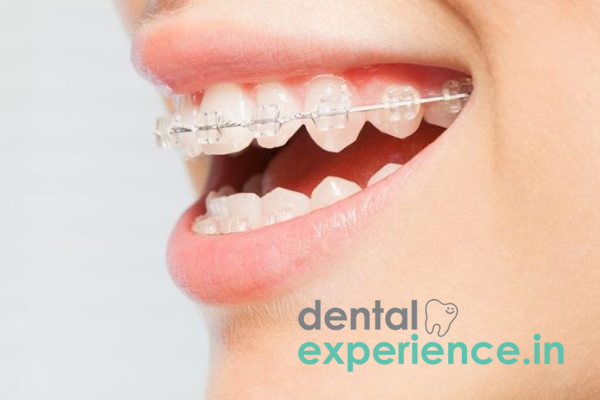
Ceramic braces are a discreet orthodontic option for straightening misaligned teeth. With clear or tooth-colored brackets, they blend seamlessly with your teeth, providing an aesthetic alternative to traditional metal braces while still offering effective bite correction and teeth alignment.

Ask Your Question
Share this page
What are Ceramic Braces?

Ceramic braces are orthodontic appliances used to straighten crooked teeth and correct bite problems. They work like conventional metal braces, but the brackets are made from either tooth-colored or clear ceramic material, which makes them significantly less visible and more aesthetically pleasing to patients.

Why is it needed?

The purpose of ceramic braces is to align teeth to obtain a more functional and better cosmetic result. It helps with: crowding, spacing, overbites, underbites and crossbites. Aligned teeth not only help with appearance, but they improve the maintenance of teeth, jaw discomfort, chewing and speaking. With ceramic braces you can get the same kind of results without highly visible metal braces.

who should consider it?

  • Teenagers and adults who are concerned with the aesthetics of braces.
  • Patients with moderate to mild orthodontic problems.
  • Patients with good oral hygiene since ceramic brackets may be a little more fragile than metal brackets.
  • Patients who are professionals or public figures with some more limited need for discretion to improve some teeth.
  • They may not be suitable for most children or patients with significant symptoms of bite issues as they are not so strong compared to metal bracings.

What are the different types?

  • Traditional Ceramic Braces: These braces have metal wires and clear or tooth-colored brackets.
  • Self-Ligating Ceramic Braces: These braces also contain clear or tooth-colored brackets. The only difference here is that self-ligating brackets have their own mechanism to hold the wire in place, meaning fewer elastic bands, which means easier cleaning.
  • Clear Ceramic Braces with White Archwires: To make our braces as invisible as possible, these braces consist of coated archwires, which blend in with the teeth.

Choosing the type of ceramic braces depends on each individual situation and the recommendations of your orthodontist.

What are the steps involved in the procedure?

Orthodontic treatment involving ceramic braces usually entails the following steps:

  • Consultation and Diagnosis: You will have x-rays, photographs, and maybe impressions taken of your mouth.
  • Treatment Planning: A treatment plan will be created specific to your needs.
  • Bonding: The ceramic brackets will be bonded into your teeth one-by-one. The wire is then placed into the brackets.
  • Follow-up Appointments: Follow-up appointments will occur every 4–6 weeks to tighten and adjust the wires.
  • Monitoring Progress: The orthodontist will not only monitor your progress but will also monitor changes in your alignment and bite over time.
  • Debonding and Retaining: After completion of your orthodontic goals the braces are removed and you will be given retainers to keep everything in alignment.

What are the benefits?

  • Discreet: The clear or tooth-colored materials used in ceramic braces make them very discreet!
  • Effective: The tooth movement achieved with ceramic braces is equal to the specialized force applied with metal braces.
  • Customizable: Patients can choose different colored bands, this offers some degree of customization.
  • Confidence: Ceramic braces are most beneficial to adults and teenagers who are conscious of their appearance while undergoing orthodontic treatment.


What makes it better than other options?

Ceramic braces have known advantages over metal braces and other orthodontic options.

  • Better aesthetics than metal braces.
  • More Affordable than Invisalign yet still allows for a discreet appearance.
  • More suited for complex cases, rather than clear aligners only suitable for mild to moderate misalignment.
  • No staining with proper care, especially from high-quality brackets.


How long do they last?

With proper care, ceramic braces will last over its entire ortho treatment, generally 18-36 months. The ceramic material is brittle to be sure, but we have come a long way with the materials made, and now the durability and breakage resistance of ceramic braces is excellent.

How long is the procedure?

Typically, the overall process with ceramic braces is between 1.5 - 3 years, based on the severity of the misalignment and patients conforming to instructions. The process may take slightly longer than metal braces, due to the additional friction, but the time difference would be negligible for the more aesthetic options.

What is the cost of Ceramic Braces?

Ceramic braces are in India, typically ranges from ₹45,000- ₹100,000 based on:

  • City and clinic location.
  • Experience of the orthodontist.
  • Complexity of dental issues.
  • Type of ceramic system used (traditional or self-ligating).

The cost generally provides for consultations, adjustments, and follow-ups, but varies if the patient has extra services such as retainers.

What are the risks and complications?

Though safe, ceramic braces can also have certain risks:

  • Bracket Fracture: Ceramic brackets are less robust than metallic brackets.
  • Staining: The elastic bands that sit around the brackets can become stained from coffee, tea, or spices.
  • Slower Movement: Due more friction between the brackets and wires.
  • Enamel Damage: In rare instances, improper removal can result in chipping enamel.

What are the disadvantages?

Though there are great benefits to ceramic braces, there are also certain disadvantages:

  • Cost - Cost is greater than metal braces.
  • Maintenance - Maintenance is greater due to staining potentially.
  • Not suitable for major cases - Useful for minor cases, but not suitable for cases that require significant force.
  • Uncomfortable - Due to the brackets being slightly larger than metal brackets.


What are the alternatives?

Other treatment options that you may consider include:

  • Metal Braces - They are typically more durable and slightly cheaper than ceramic braces, but are more noticeable.
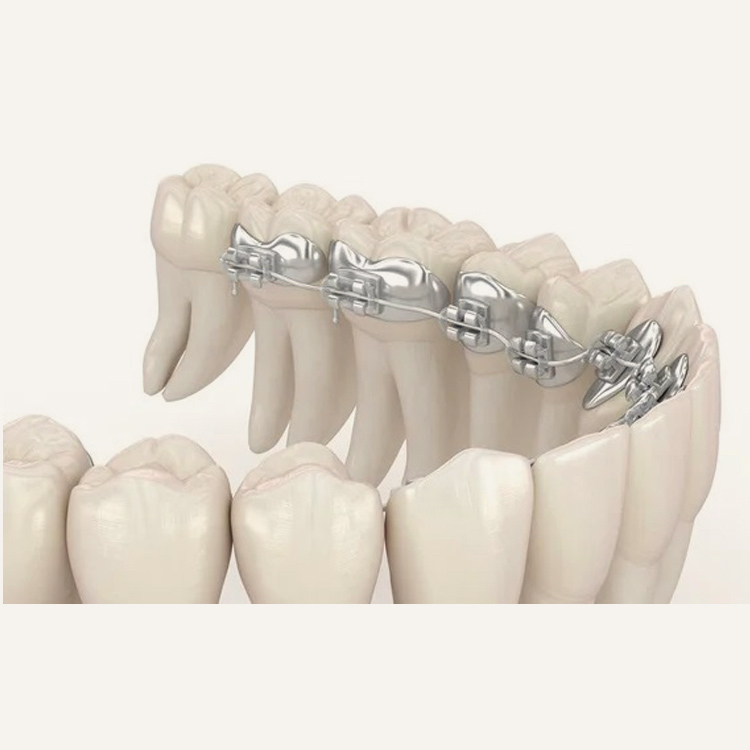
  • Lingual Braces - Vincible, but can cause issues with diction as they are behind the teeth.
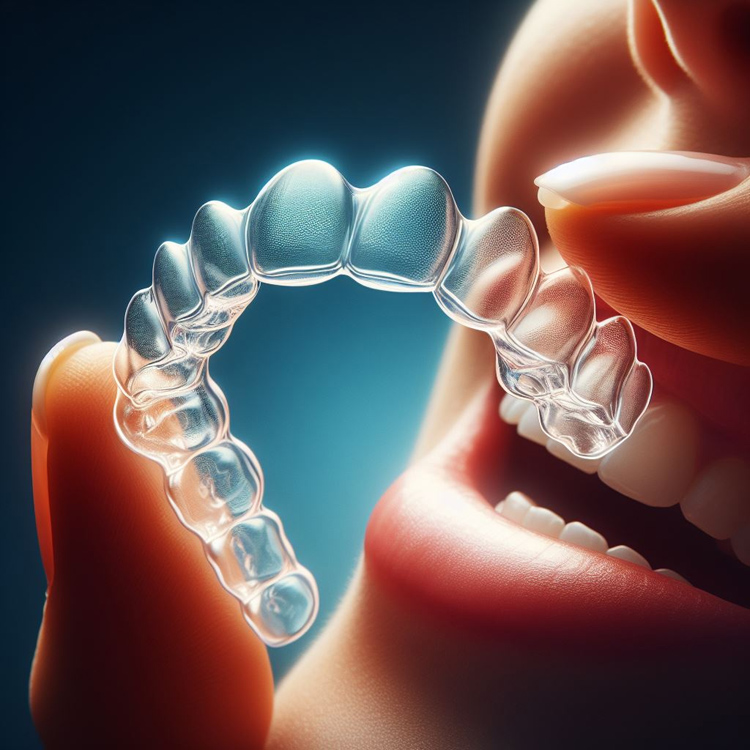
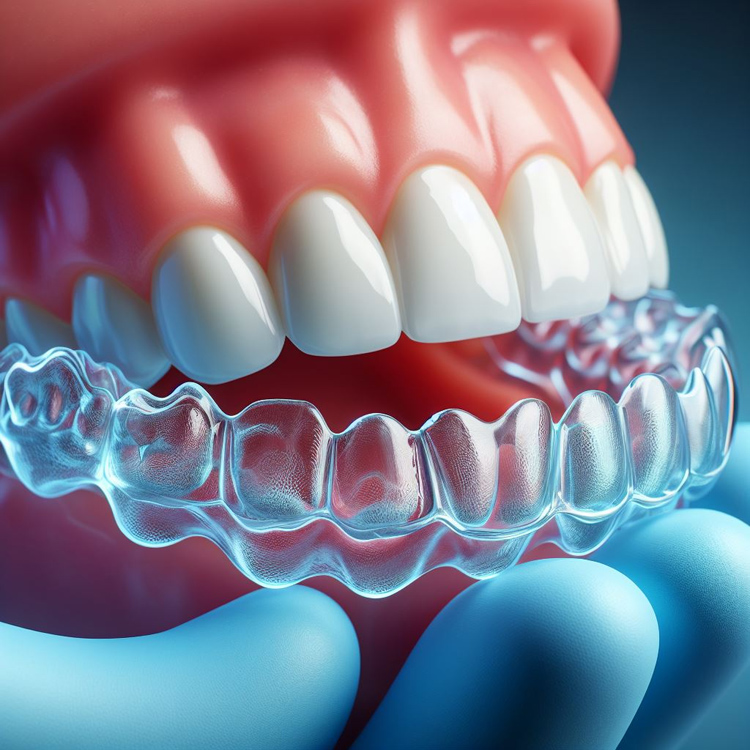
  • Clear Aligners (Invisalign) - clear plastic and removable, but only aren't suitable for all forms of teeth and gum issues.
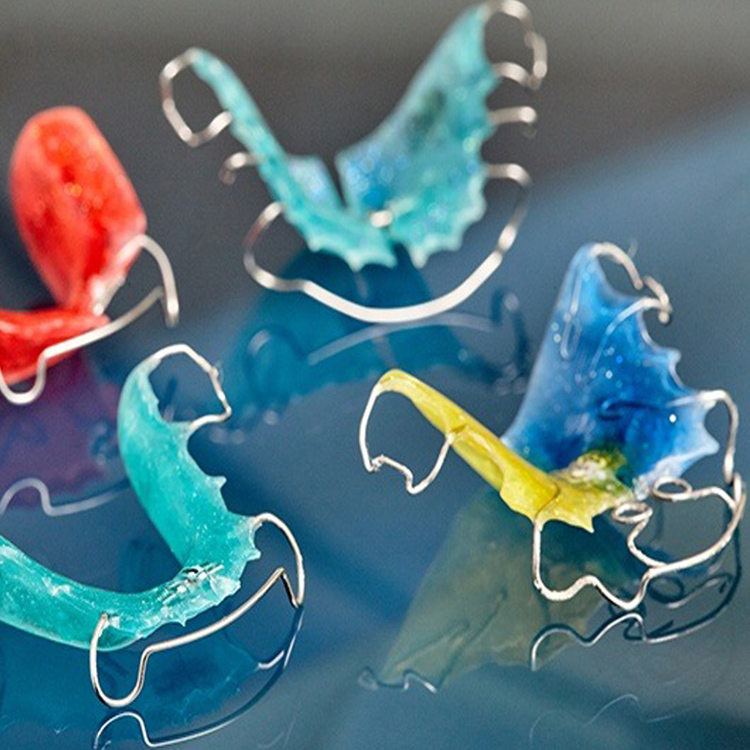
  • Retainers or Minor Appliances - must only be used for minor cases. Each type has its own pros and cons around personal aesthetics, costs, and effectiveness.

How to care after the treatment?

There are several aftercare requirements that are very important to your ongoing success, after using ceramic braces:


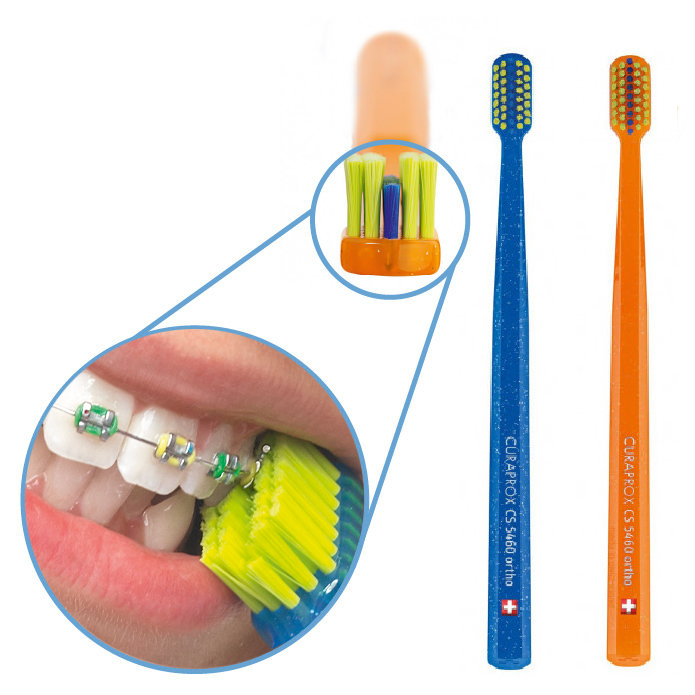
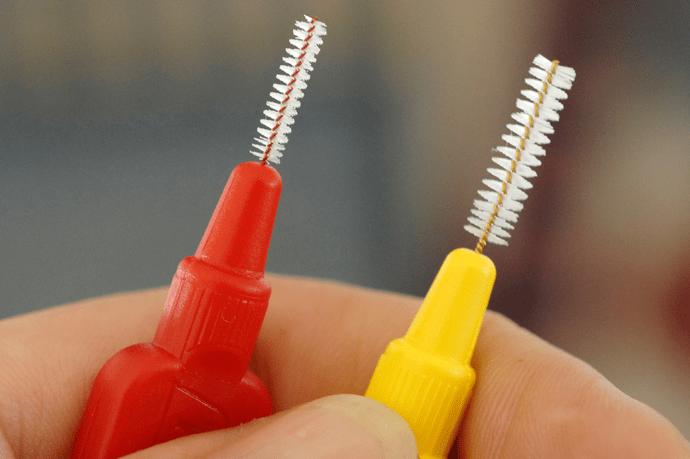
  • Oral care - You will be required to brush and floss after every meal. You may even consider using an interdental brush to really clean around the braces.
  • Diet -  Avoid sticky, hard, and or overly crunchy.
  • Follow Up Care - Schedule appointment for adjustment and check up.
  • Retainer - Wear retainers as instructed to ensure you continue to have your teeth aligned as best as you can.
  • Staining Prevention - Avoid staining foods and ask the orthodontist for non-colored elastics.

Our Store

Call Us Make an Appointment