loader

Lingual Braces

Home› Treatments› Lingual Braces
Lingual Braces Treatment
Watch Video
Reviewed by Dr. Seby Varghese

Fast Facts

99% say it's "Worth It"
75000/- to 200000/-
Longevity: Lingual braces are designed to last the entire duration of the treatment which is, typically, somewhere between 18 - 36 months, depending on the complexity of your case.
Duration: Total duration of the treatment - 1.5 - 3 years.

Lingual Braces
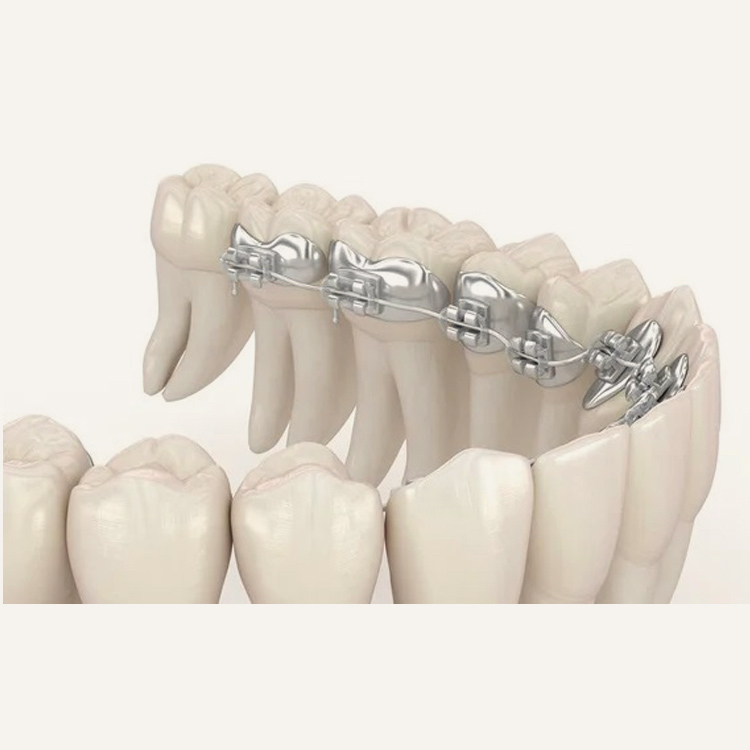
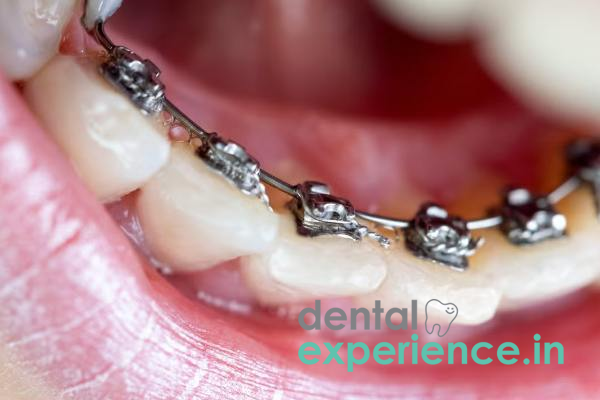
Lingual braces are a hidden orthodontic solution that are placed on the back (lingual side) of your teeth, making them virtually invisible. They work just like traditional metal braces to straighten teeth and correct bite issues, offering a discreet, effective treatment for those who prefer a less noticeable option.

Ask Your Question
Share this page
What are Lingual Braces?

Lingual braces are one form of orthodontic treatment for correcting the position of teeth using brackets and wires. Many people know orthodontic technology through traditional braces. The key difference with the lingual, or "hidden", option is that the brackets and wires are placed on the inner (lingual) side of the teeth (facing the tongue), which makes them virtually "hidden" or invisible on the face side of the teeth. Lingual braces are particularly popular with adults, and as they are often professionals who work or interact with others in formal settings and are self-conscious about traditional brace appearances. Lingual braces solve aesthetic problems, but the braces are also an effective option for excellent orthodontic treatment.

Why is it needed?

Lingual braces produce all the effects of any orthodontic treatment, which is to align teeth, correct bite, and improve oral health. Teeth that are out of alignment can produce functional problems, such as jaw soreness, difficulty with speech, and not being able to chew properly. Straight teeth also contribute to the aesthetics of a "great smile", which can lead to better self-confidence. Lingual braces offer an option for individuals that would prefer to have orthodontic treatment without the obvious look of "metal" on their teeth.

who should consider it?

Lingual braces can work for:

  • Adults and teens who are conscious of the aesthetic aspect of traditional braces.
  • Professionals that are in face-to-face contact with clients.
  • Individuals with mild to complex malocclusion, crowding, or spacing.
  • Patients with allergies to clear aligners' plastics.
  • Individuals involved in contact sports (that can't get injured by metal in their mouths).

Lingual braces may not be suitable for individuals with very small teeth. Also, they may not work for individuals with severe dental bite issues, or with poor oral hygiene habits, because cleaning around the lingual braces can be a challenge.

What are the different types?

Lingual braces come in several variations to meet different needs:

  • Custom Lingual Braces: These deliver a custom fit by way of CAD/CAM technologies.
  • Self-ligating Lingual Braces: These can reduce friction, and may potentially decrease treatment time.
  • Standard Lingual Braces: More cost-effective but perhaps less comfortable at first.

The options to decide from can depend on the difficulty of the case and the patient's needs.

What are the steps involved in the procedure?

  • Consultation & Diagnosis – The clinician will take dental X-rays, impressions, and perform digital scans.
  • Fabrication of Custom Appliance – The lingual brackets are specifically constructed to fit the lingual side of each tooth.
  • Bonding – The clinician will use a transfer tray to bond the brackets placed on the inner surfaces.
  • Wire Placement – The clinician will insert the archwires through the brackets to apply force.
  • Adjustment – For tightening or changes to wires, you will see the orthodontist every 6–8 weeks.
  • Debonding – Once the desired alignment is achieved, the orthodontist will remove the brackets and wires.
  • Retention – A retainer will be placed to maintain the tooth alignment achieved.

What are the benefits?

Lingual braces can provide several advantages:

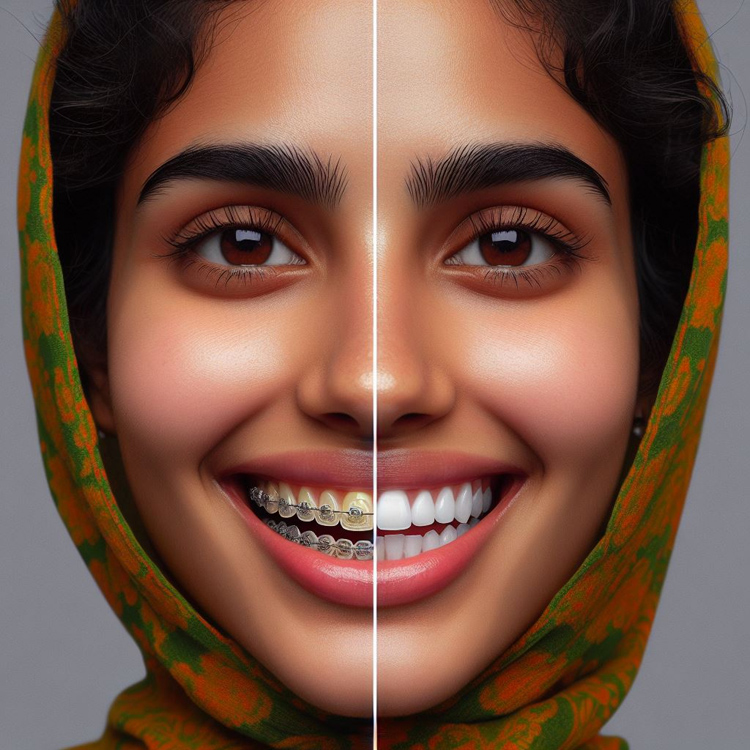
  • Aesthetic appeal – As these brackets are hidden, you maintain a naturally aesthetic smile during the treatment process.
  • Customized fit – Each bracket is made to fit maximizing comfort and efficiency.
  • Effective correction – Lingual braces can treat the most complex types of dental problems.
  • No discoloration occurs on the front teeth – As lingual braces are bonded behind your teeth, you don't have any of the front surface stained.
  • Your professional life continues uninterrupted – Lingual braces allow you to have orthodontics without anyone knowing if you so choose.

What makes it better than other options?

Compared to traditional metal brackets or clear aligners:

  • Lingual braces provide full concealment.
  • Do not need removal for eating and drinking.
  • Provide more control for more complicated movements (correcting deep bites, etc.) compared to aligners.
  • Reduced risk of white spots (decalcification) on the visible part of the tooth.
  • Lingual braces offer a major advantage for those looking for privacy while undergoing treatment and keeping their results

How long do they last?

Lingual braces are designed to last the entire duration of the treatment which is, typically, somewhere between 18 - 36 months, depending on the complexity of your case. As long as the proper oral hygiene and care is taken, they will work just as effectively as conventional braces throughout the treatment phase.

How long does the treatment take?

  • Initial bonding appointment - 1–2 hours.
  • Follow-up visits - Every 6–8 weeks, ~ 20–30 minutes appointments.
  • Total duration of the treatment:  1.5 - 3 years.

Less severe alignment cases could be finished in 12- 18 months. More severe cases would take longer.

How much does it cost?

The average cost of lingual braces in India is between ₹75000 to ₹2,00,000 or more. The price you pay for lingual braces varies based on the following reasons:

  • Complexity of malocclusion.
  • Lingual system type (customized vs. generic/simpler).
  • Location of your dentist and experience.
  • Length of the treatment

Metropolitan areas such as Mumbai, Delhi, or Bangalore, tend to be on a higher range of cost. EMI options are available in many reputable dental practices.


What are the risks and complications?

Lingual braces are generally a safe and effective treatment option, but they do have some risks:

  • Difficulty with speech: The tongue is in contact with the brackets at all times and some people will temporarily develop a lisp due to this.
  • Irritation to the tongue: More common in the first few weeks.
  • Social "fear": The patient may think people can see the braces when in fact they cannot.. this is important as some people may report feeling more "self-conscious" than a more conventional facial treatment.
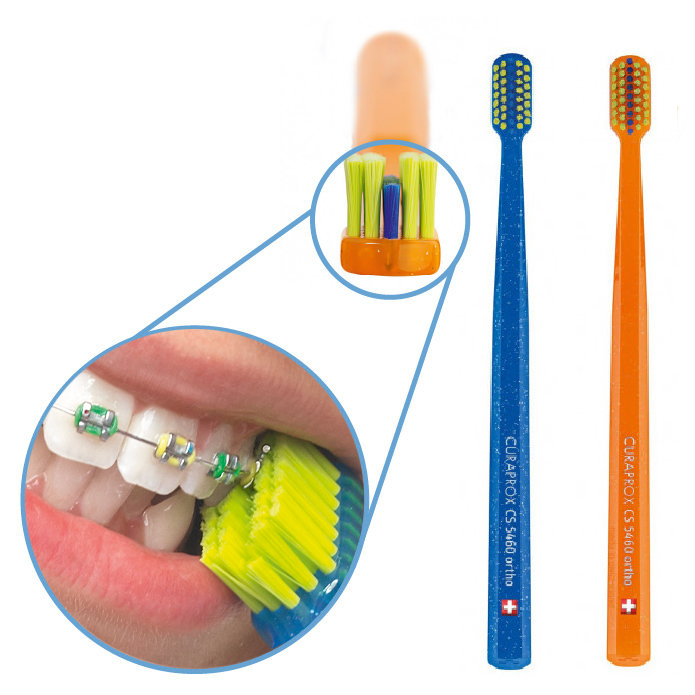
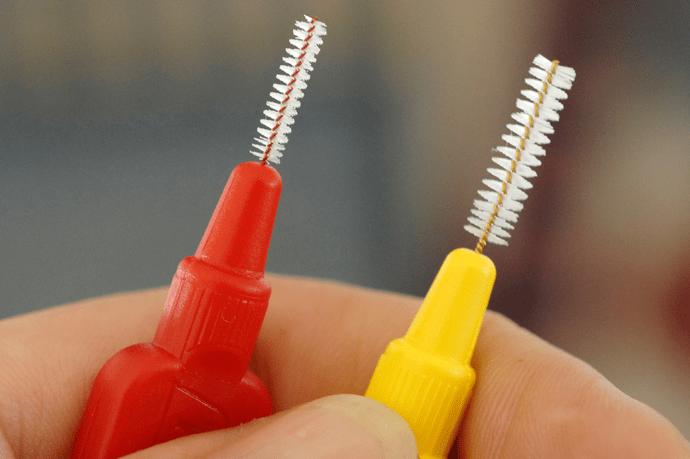
  • Oral cleanliness: Patient hygiene will contribute to treatment success, patients with lingual braces need to brush and floss daily.
  • Difficult in scheduling appointments: Not all orthodontists will have gone through additional training to use these types of braces.
  • Discomfort and soreness: especially after an adjustment.

With appropriate care and professional support, all of the risks outlined can be mitigated.

What are the disadvantages?

  • Cost: Lingual braces are normally more expensive than other options.
  • Discomfort: As with all orthodontic treatment there is some discomfort and there is normally a longer period of adjustment that needs to take place.
  • Chair Time: lingual braces normally take a little longer to adjust.
  • Availability of Professionals: Not all practices may offer this service.
  • Cleaning: Lingual braces may not be as easy to clean compared to a more conventional approach and will lead to an increased risk of plaque.

However, in many cases the positives outweigh the negatives and these are temporary inconveniences for many.


What are the alternatives?

Some alternatives to lingual braces may include:

  • Traditional Metal Braces - More affordable option and just as effective for similar outcomes, however is more observable.
  • Ceramic Braces - Less visible but still a facial treatment.
  • Clear Aligners - Removable and nearly invisible, better used for mild to moderate cases.
  • Self-ligating Braces - Utilise clips instead of elastics which may lead to a shorter treatment time in some cases.

All options have their advantages and negatives based on the goal of the patient, their dental situation, and their budget.

How to care after the treatment?

Post treatment care to maintain results:

  • Wear retainers as prescribed (fixed or removable).
  • Adhere to oral hygiene advice - brush twice a day, floss daily and mouthwash.
  • Avoid hard or sticky foods that could dislodge brackets or wires.
  • Attend appointments for adjustments and a cleaning.
  • Let your dentist know if there are any problems, discomfort or breakages.
  • It is also recommended that you have a professional cleaning every 6 months.

Our Store

Call Us Make an Appointment