loader

Metal Braces

Home› Treatments› Metal Braces
Metal Braces Treatment
Watch Video
Reviewed by Dr. Seby Varghese

Fast Facts

99% say it's "Worth It"
18000/- to 150000/-
Longevity: At the end of treatment retention will take place to maintain the final result. Given appropriate hygiene and some dental care practices, teeth can remain in the ideal position for a lifetime.
Duration: 18 to 36 months

Metal Braces
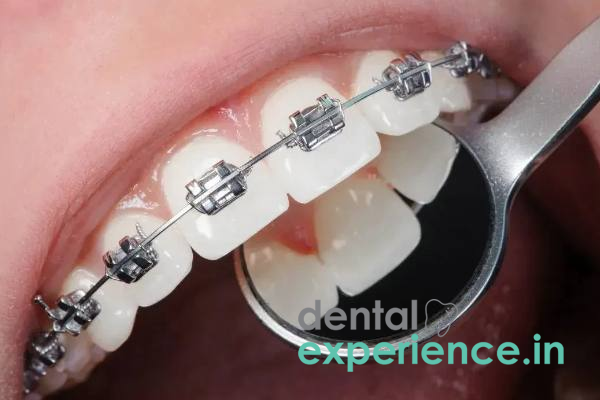
Metal braces are a traditional and highly effective orthodontic treatment for correcting misaligned teeth and bite issues. Using stainless steel brackets and wires, metal braces gradually move teeth into their desired position. They are durable, reliable, and suitable for patients of all ages seeking a long-term solution for a straighter smile.

Ask Your Question
Share this page
What are metal braces?

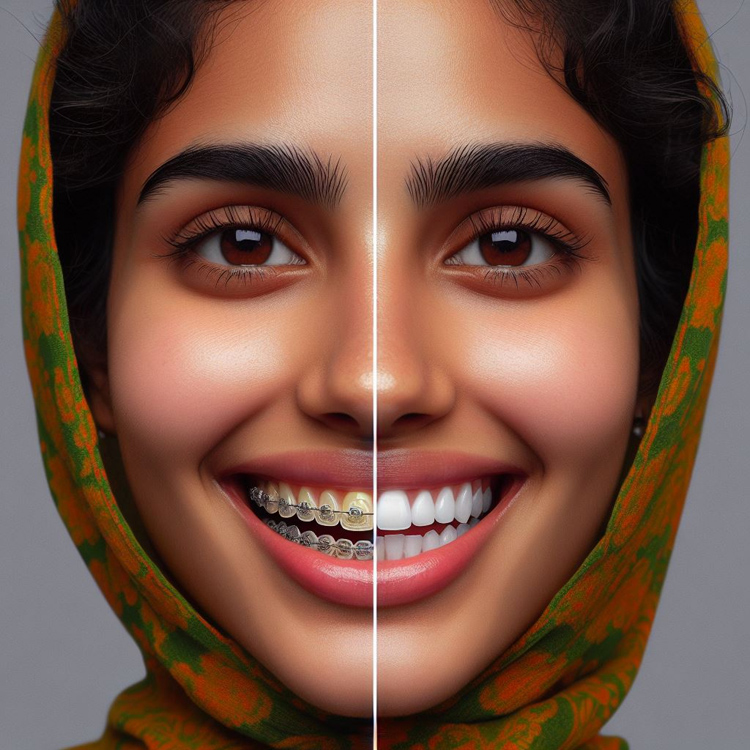
Metal braces are orthodontic devices used to correct malocclusions or misaligned teeth. They are widely considered to be the most effective and clinically proven method of aligning teeth. Braces consist of metal brackets that are attached to the teeth with a dental adhesive. The brackets are connected by an archwire, which the orthodontist adjusts to move the teeth to the ideal position. Even with the increasing use of modern systems like clear aligners, metal braces are frequently used in treatment plans.

What are they for?

Metal braces are needed to correct almost all types of cases of malocclusion. Malocclusion or improper bites take many forms, which makes them complicated, including: crowding, spacing, overbites, underbites, and crossbites. Not only do malocclusions affect chewing and speech, they also affect one's oral hygiene. As a result, if malocclusions are not treated, they can lead to complications such as tooth decay, gum issues and temporomandibular joint (TMJ) issues. Braces move teeth into the position that is most functional and aesthetic for a patient, while achieving an overall healthy dentition.

Who is it for?

Patients who are appropriate candidates for orthodontic treatment with metal braces include:

  • Children with developing malocclusions.
  • Teenagers with moderate to severe malocclusions.
  • Adults with longstanding orthodontic challenges.
  • Patients who have complex bite issues that cannot be solved with clear aligners.

Patients with healthy gums, bone and non-complex issues can be treated, while patients with uncontrolled gum disease or extensive bone loss might require periodontal treatment for periodontally-related issues before starting orthodontics.

What are the different types of metal braces?

There are a few types of "metal braces," and they are usually referred to very generally.

  • Traditional Metal Braces: Made of stainless steel brackets and bumpers (the wire).
  • Self-ligating Braces: A small device slides over the wire instead of using elastic bands to secure the wire.
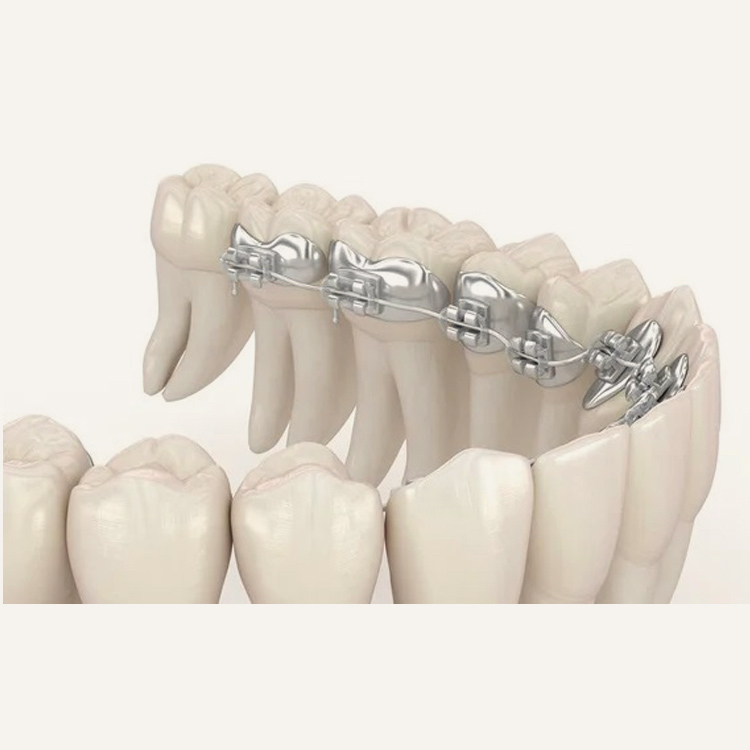
  • Lingual Braces: A less visible appliance placed behind the teeth.
  • Mini Braces: Much smaller brackets which are less noticeable for comfort and aesthetics.

All of these options have different patient preferences and clinical situations.

How is it done?

The process for the metal braces treatment is typically done in the following steps:

  • Initial consultation - A complete examination consisting of X-rays, photographs and either dental models or digital scans.
  • Treatment planning - A treatment plan is individualized using the diagnostic information.
  • Bonding - Each bracket is bonded to the teeth with dental adhesive.
  • Archwire - A archwire goes through the brackets and is held in place with elastics or self-ligating clips.
  • Adjustments - Every month you will return for adjustments of the tighten/replace wire to slowly move your teeth into position.
  • Debonding - Once your teeth are aligned the brackets will be removed and you will receive retainers.

What are the benefits?

  • The most efficient option for complex dental problems.
  • Because it is fixed, lessening the chance of mistakes; there is enhanced controlover the position of teeth.
  • Oral function improves, including chewing and speaking.
  • Enhanced aesthetic with symmetry at end of treatment.
  • Decreased risk of developing future complications from underlying long-term dental problems created by malocclusion.


What are the advantages?

Although there have been much newer modalities developed, metal braces in method provide many aspects that cannot be outdone:

  • Metal braces provide an outcome that is superior to treat severe or complex orthodontic situations.
  • No fear of patient compliance issues with fixed appliances, unlike removable appliances.
  • Durable and strong, especially for athletic children and teenagers.
  • Cost effective compared to ceramic braces or aligners.

They are often the first choice for orthodontists when the clinical result is the only objective.

How durable are the results?

In general, metal braces are worn for 18 to 36 months, with the difference being determined by case complexity and the degree of patient compliance. At the end of treatment retention will take place to maintain the final result. Given appropriate hygiene and some dental care practices, teeth can remain in the ideal position for a lifetime.

How long does the treatment take?

The first appointment will take approximately 1-2 hours to have the braces bonded, but the actual treatment will last between 1.5 - 3 years with appointments to adjust the braces every 4-6 weeks. The patient can expect soreness for several days, and the majority of patients will adapt to the appliance in approximately one week.

What is the cost of metal braces?

The price of braces in India is varied for metal braces:

  • Basic metal braces ₹25,000 - ₹50,000.
  • Self-ligating metal braces ₹40,000 - ₹70,000.
  • Lingual braces ₹80,000 - ₹1,50,000.

Costs will be influenced by many factors - Complexity of the case, location of the clinic, experience of the orthodontist, and if other treatments are needed (for example, extractions).

What are the risks and complications?

Even though metal braces possess a sense of safety and routine associated with them, they do have:

  • Initial discomfort or pain.
  • Sores or ulcers from the metal rubbing against the cheeks.
  • Decalcification of teeth if oral hygiene is less than ideal.
  • Gum inflammation.
  • Emergency visits to take care of bracket breakage.

With proper treatment and care from an orthodontics professional, these complications can be minimized.

What are the disadvantages?

  • Aesthetic concerns, especially for adult patients.
  • Dietary restrictions such as avoiding hard or sticky food.
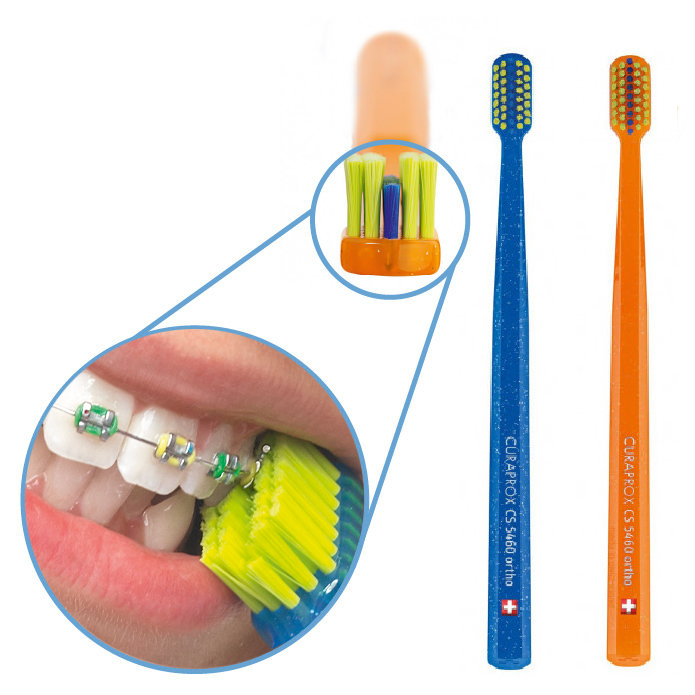
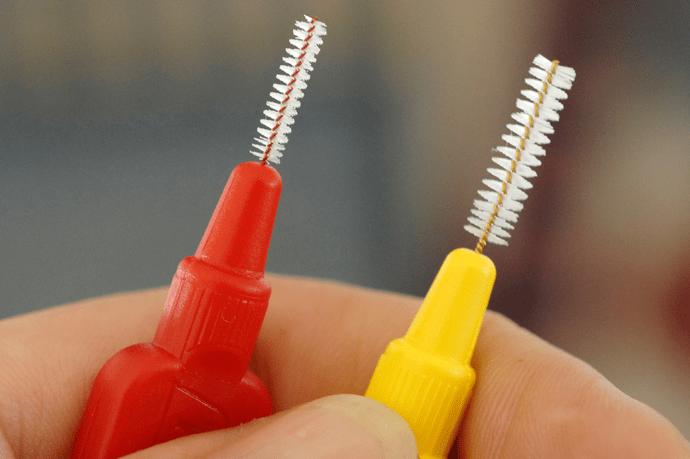
  • Oral hygiene considerations due to wires and brackets.
  • Speech disturbances for the first few days.
  • Emergencies concerning broken brackets or poking wires


What are the alternatives?

Some alternatives to metal braces include:

  • Clear Aligners (Invisalign), which are removable and very discreet.
  • Ceramic Braces, which are less visible but less durable.
  • Lingual Braces, which are hidden behind the teeth, and have aesthetic appeal.
  • Orthognathic Surgery, which is used for skeletal corrections in adults

These options each have their advantages and disadvantages, and each option is suitable depending on patient specific needs, wants, and treatment plan.

How to care after the treatment?

The important step to take care of teeth after treatment is:

  • Wear a retainer as instructed by your orthodontist.
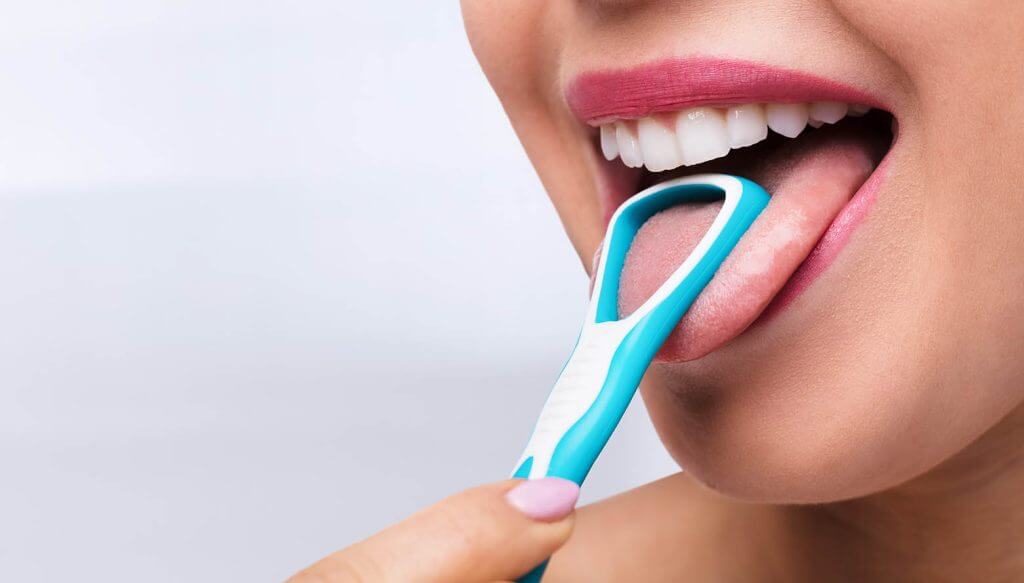
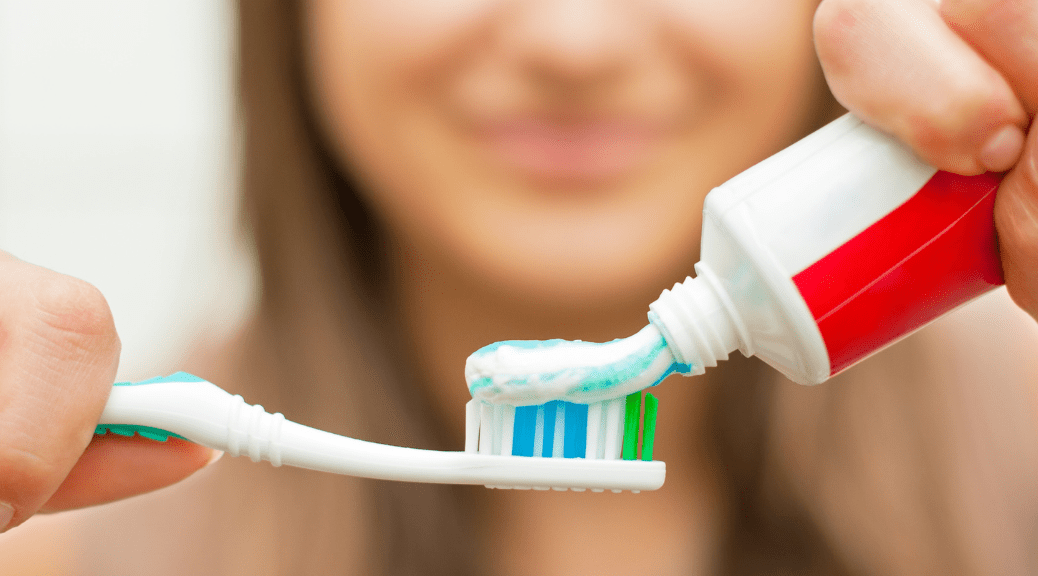
  • Maintain oral hygiene to prevent cavities and gum disease.
  • Avoid eating hard or sticky foods.
  • Schedule follow up appointments.
  • Continue to wear mouthguards, if suggested during sports.

Our Store

Call Us Make an Appointment