loader

Digital Smile Design.

Home› Treatments› Digital Smile Design.
Digital Smile Design. Treatment
Reviewed by Dr. Seby Varghese

Fast Facts

99% say it's "Worth It"
10000/- to 250000/-
Longevity: DSD is essentially the planning part for the process, so how long it lasts is dependent on the treatments delivered.
Duration: 1 or 2 appointments each took 45 to 90 minutes

Digital Smile Design
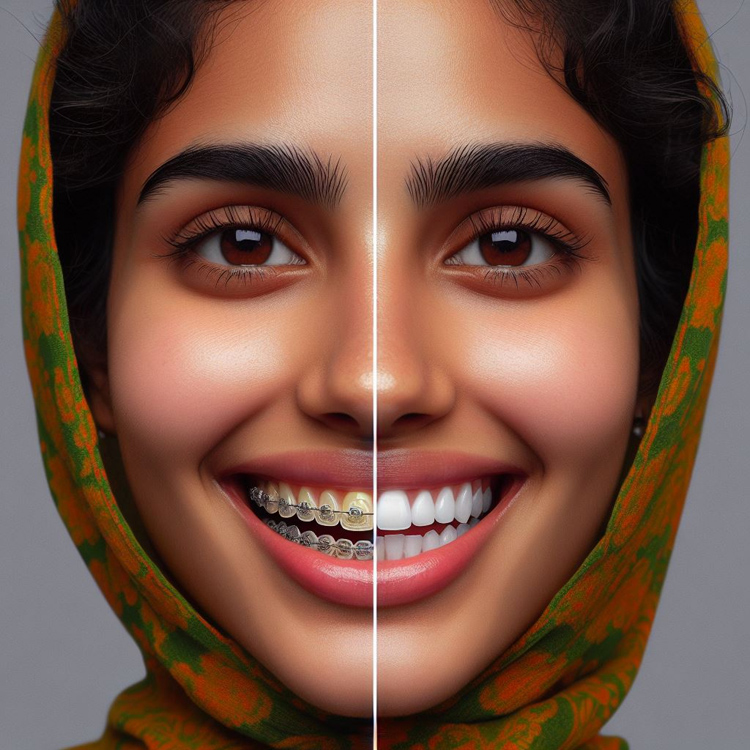
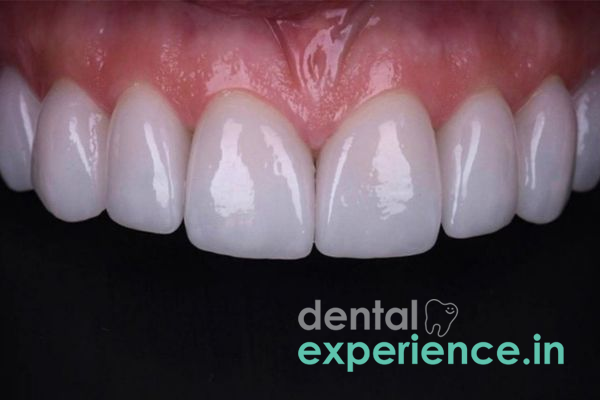
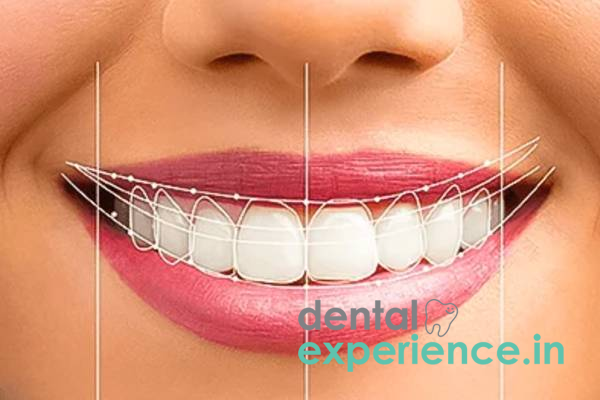
Digital Smile Design (DSD) is an advanced approach to cosmetic dentistry that uses cutting-edge 3D imaging technology to plan and visualize your ideal smile. With digital smile design in Kerala, India, we combine precise digital scans with artistic expertise to create a personalized treatment plan that enhances your facial features and delivers a natural, harmonious smile. If you’re looking for the best cosmetic dentist in Kerala, India, our clinic offers world-class smile design solutions tailored to your needs.

Ask Your Question
Share this page
What is Digital Smile Design?

Digital Smile Design (DSD) allows dentists to plan out a patient's treatment using digital tools to design and visualize the patient's new smile before a patient is treated. It uses a combination of photography, videos, intraoral scans, and software to create an accurate and custom blueprint for cosmetic and reconstructive procedures. DSD creates predictable outcomes to meet the patient's expectations. In India, with growing patient demand for personalized and aesthetic solutions, DSD has become critically important in modern cosmetic as well as reconstructive dentistry.

Why is Digital Smile Design Necessary?

The goal of DSD is to create a natural, symmetrical, and harmonious smile compatible with the patient's face. Traditional methods were productive but lacked communication between the dentist, laboratory, and patient, leading to a level of unpredictability. DSD allows the dentist to plan the project collaboratively with all parties, decreasing communication misunderstandings and errors. DSD helps clarify the expectations for the patient, the look they desire versus the functionality of their smile; combined efforts to visualize and produce the smile as one is a significant step in long-term success, predictability, and overall satisfaction for the patient. DSD is paramount to smile makeovers, full mouth rehabilitations, orthodontics, and implant treatments that consist of aesthetic and functional complexity.


Who is suitable for Digital Smile Design?

DSD is suitable for:

  • Patients wanting to improve their smile (smile makeovers or cosmetic transformations).
  • Patients that require cosmetic restorative treatment (veneers, crowns, implants, etc.).
  • Individuals seeking orthodontic treatment with a view to improving facial aesthetics.
  • Anyone with chipped, discolored, misaligned, or missing teeth.
  • Patients who are curious about future outcomes before commencing treatment.

What are the different types of DSD?

Although DSD is a global and uniform concept, there are variations of it in relation to the technology and treatment approach used:

  • 2D Smile Design: Use of digital photographs and drawings laid over the photo.
  • 3D Smile Design: Where the intraoral scanner and 3D rendering permits higher accuracy.
  • Mock-Up Smile Design: This is a physical model created from the digital design plan to assess and trial the aesthetics and planning in the patient's mouth before final treatment.
  • Facially Driven Smile Design: Planning for the treatment plan based on the patients facial proportions (eye, bicuspid, and left/midline spacing), and facial expressions in motion.

Many advanced dental clinics in India include all of these types to a greater or lesser extent to create the best treatment plan for the patient.

How is DSD carried out?

  • Initial Consultation: Understand the patient's expectations vs. concerns.
  • Data Acquisition: Any/all high-resolution photographs, video records, and intraoral scans with an intraoral scanner.
  • Smile Analysis and Assessment: View the presented photos/slides, and obtain information regarding facial symmetry, dental midline, gum line, and lip dynamics.
  • Smile Design Generation: In DSD software, a new smile shape and countenance are generated.
  • Visual Discussion: Show the patient potential visual outcome of the DSD including the patient's proposals.
  • Mock-Up Trial: The planned smile & aesthetics is shown as a temporary model in the mouth in order to trial the process.
  • Treatment implementation: Actual treatment is commenced completing the dental restorations or whatever treatment as per the DSD team plan.
  • Final evaluation: Return for digital photographs and to make last modifications to ensure optimum outcome.


What are the benefits of Digital Smile Design?

There are many benefits of DSD some of the acknowledged benefits as known include:

  • Predictable Outcomes: Patient sees the anticipated smile before commencing treatment.
  • Customised Smile: Compares to all patients and needs, as per their facial features, expectations, and desires.
  • Better Communication: Increases understanding of dentist, patient and laboratory technicians.
  • Emotional Investment: Patients participate as joint designers of their smile, which makes them even happier.
  • Better Treatment Planning: Decreases potential for treatment mistakes and refinements.

What are the advantages of Digital Smile Designing?

  • Ability to visualise in real time with live changes.
  • Significantly less risk of patients being unhappy, and having a smile created that doesn’t look natural after treatment completion.
  • More accuracy for both aesthetic and functional outcomes.
  • Can integrate multi discipline dental treatments (prosthodontics, orthodontics, implants).
  • Ability to simulate impact of treatment on the patient’s speech and expressions.
  • The combination of computer technology and artistry helps more patient-centric treatment planning with DSD.

How long does the results last?

  • DSD is essentially the planning part for the process, so how long it lasts is dependent on the treatments delivered.
  • Veneers and crowns delivered within a DSD plan could last for 10-15 years when properly cared for.
  • Orthodontic Treatments (braces or clear aligners) could last for a lifetime if retainers are worn.
  • Implants that are carefully planned using DSD could last for 20 years or possibly a lifetime.
  • The digital design does allow you to plan optimally for longer lasting restorations.


How long is the DSD process?

  • The total DSD planning process is usually attained in 1-2 appointments:
  • 1st appointment: Data Collection and Analysis- 45-60 minutes.
  • 2nd appointment: Design Presentation and Mock-up- 60-90 minutes. After treatment acceptance, the dental treatment itself can take from a few weeks to a few months depending on the complexity of the treatment.
  • Recovery from treatment will not take long if the patient is undergoing cosmetic work such as veneers, but recovery is longer if the patient is undergoing surgery such as implants.

What is the cost of Digital Smile Design treatment?

The cost of Digital Smile Design treatment in India can vary:

  1. The consultation and design fee: ₹10,000-₹25,000
  2. A complete smile makeover that includes multiple treatments (some clinics offer packages): ₹80,000-5,00,000+.

Costs can be dependent on multiple factors including:

  1. Number of teeth involved.
  2. The type of restorations needed (veneers, crowns, implants).
  3. Geographical location of the clinic (large metropolitan city vs. smaller town).
  4. Clinician expertise and equipment.

Digital Smile Design is a premium service, but more clinics throughout India are beginning to offer affordable DSD packages based on the customer demand.

What are the risks and complications?

  • Digital Smile Design is a safe planning approach to treatment and there is very little risk. However, risks occur when performing treatment and after the treatment is complete.
  • Miscommunication, or misunderstanding the visual plan (will rarely occur if performed with care).
  • Gum discomfort or sensitivity after restorative dental work.
  • A minor aesthetic change may need to take place after the actual restorative dental treatment is complete.

Working with an experienced DSD-certified dentist should be able to minimize risks of complications.


What are the disadvantages?

  • DSD is a game-changer for the dental industry and it does have some disadvantages.
  • Higher Initial Cost: Initial costs of DSD are generally more than traditional treatment planning costs.
  • Time Investment: In addition to the final treatment appointment, the patient also must complete the consultation and design visit.
  • Technology Dependent: DSD requires technology for the planning, -taking part in DSD is not possible in some clinics if advanced tools are not utilized.
  • Skill Requirements: The course of a DSD is heavily reliant upon the dentist's digital skillset.


What are the alternative options?

  • Traditional Smile Makeover: Without the use of digital simulations, relying mostly on manual mock-ups by the dentist.
  • Orthodontic Treatment: correcting teeth orientation without cosmetic enhancement.
  • Direct Bonding Approaches: Immediate smile corrections without any imaging to preview.

None of these strategies have unique personalized visual possibilities that DSD presents.

How to care after DSD treatments?

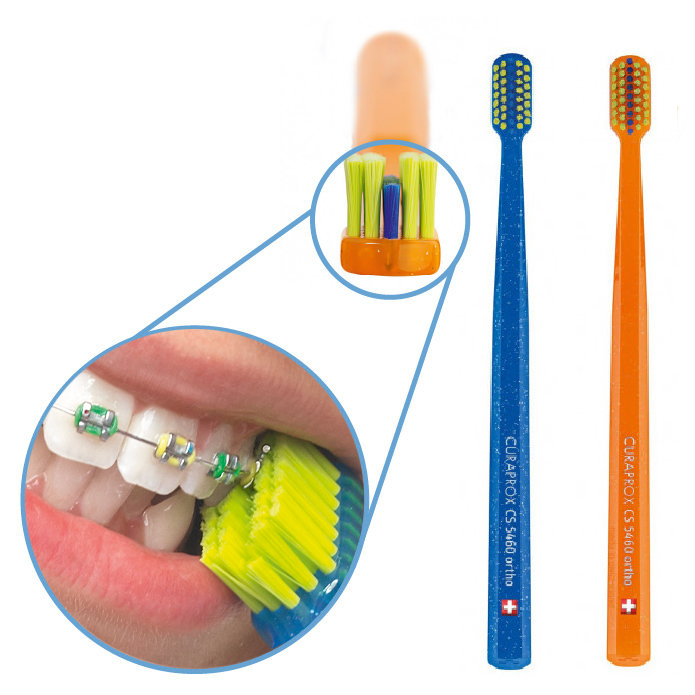
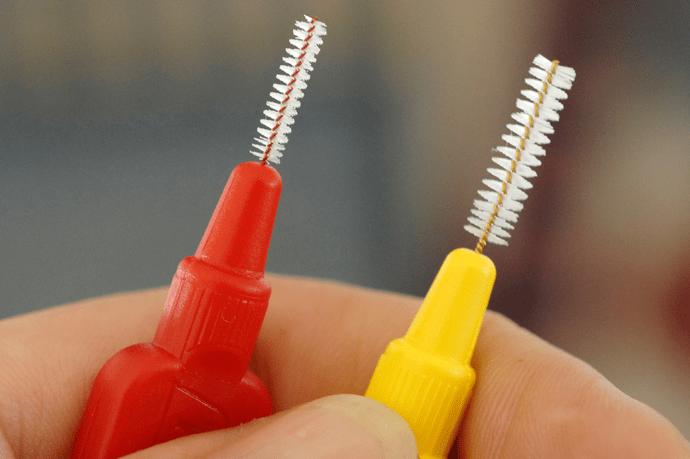
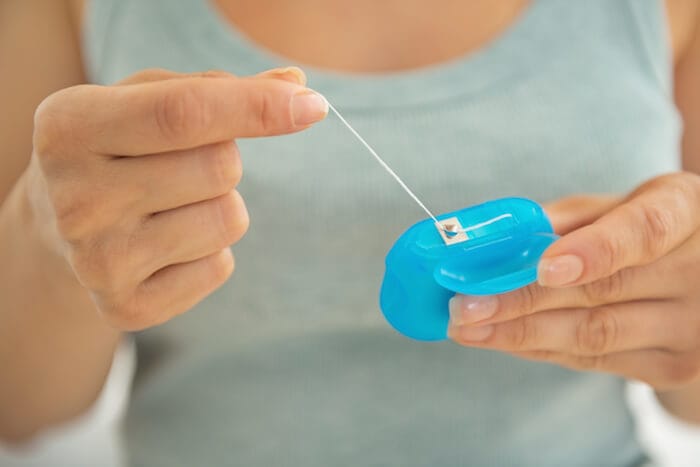
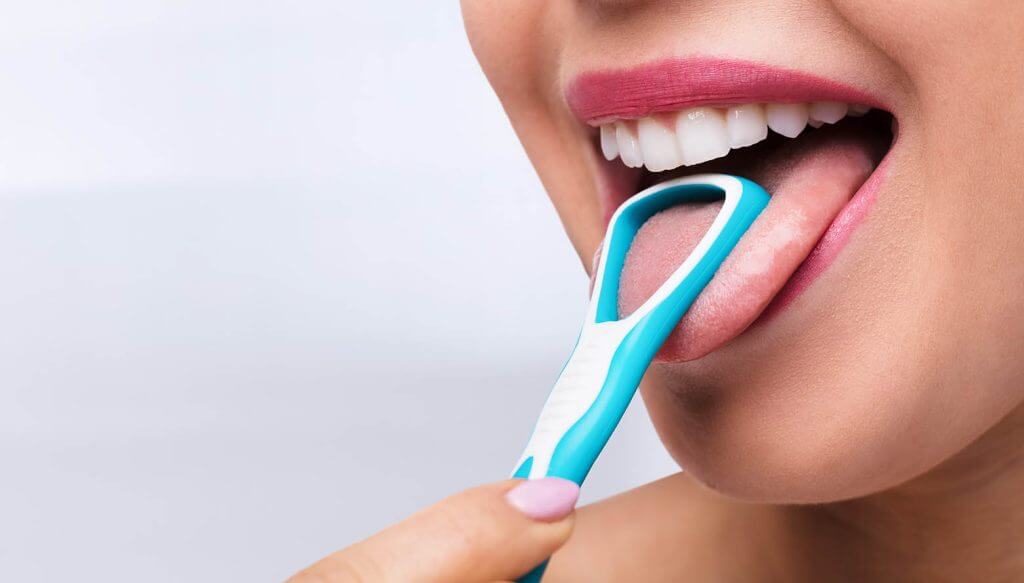
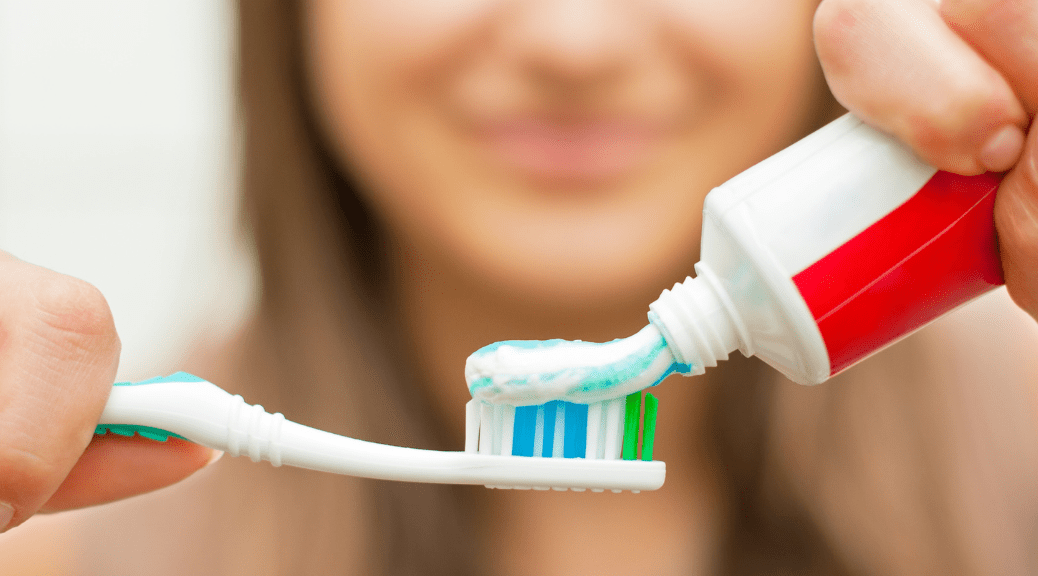
  • Excellent oral hygiene habits (brushing 2x daily, flossing).
  • Routine dental visits
  • Use night guards to protect restorations (if required).
  • Avoid undesirable habits (ie. nail biting, chewing hard objects and smoking).
  • Follow aftercare based on types of treatments, (ie. veneers, implants, orthodontics, etc).

The long term success of a DSD treatment not only depends on a great design, it depends on the long term good maintenance of the work, that is up to the patient

Related Articles

Load More Articles

Our Store

Call Us Make an Appointment