loader

Metal Free Dental Crowns

Home› Treatments› Metal Free Dental Crowns
Metal Free Dental Crowns Treatment
Watch Video
Authored by Dr. Sreeja Aravind
Reviewed by Dr. Seby Varghese

Fast Facts

99% say it's "Worth It"
10000/- to 50000/- per tooth
Longevity: Long Term- If the crowns are properly cared..
Duration: 3-7 Days

Metal Free Dental Crowns – The Future of Aesthetic Dentistry

Our metal free dental crowns offer an innovative alternative to traditional restorations by eliminating the use of metal alloys. Crafted with precision using advanced CAD/CAM technology, these crowns are designed to blend seamlessly with your natural dentition, delivering a strikingly lifelike appearance with superior durability.


Questions & Answers

QCan metal free crowns be repaired and do you have a warranty for them?
QWhy does my crown keep falling off?
QWhat are the different types of affordable metal free crowns available? Can Zirconium crowns break down or crack?
QWhich is more durable, a porcelain fused to metal crown or a metal free crown? Why do they have such a huge difference in price?
QWhy are metal free crowns always so expensive?
Ask Your Question
Share this page
Whar are Metal-Free Dental Crowns?

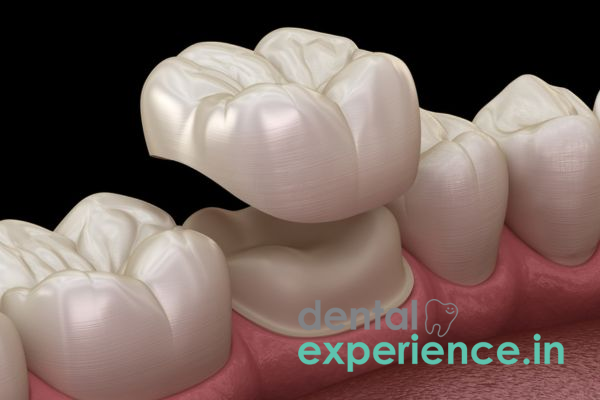
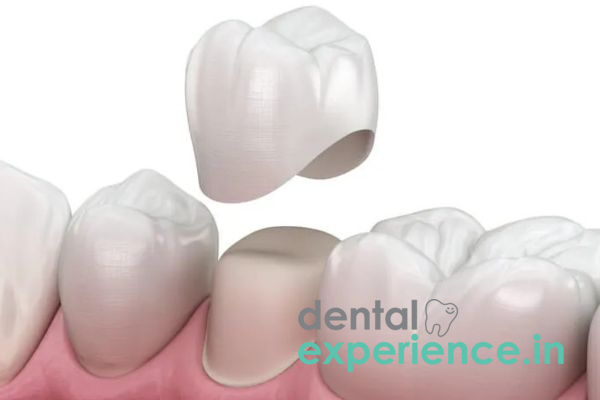
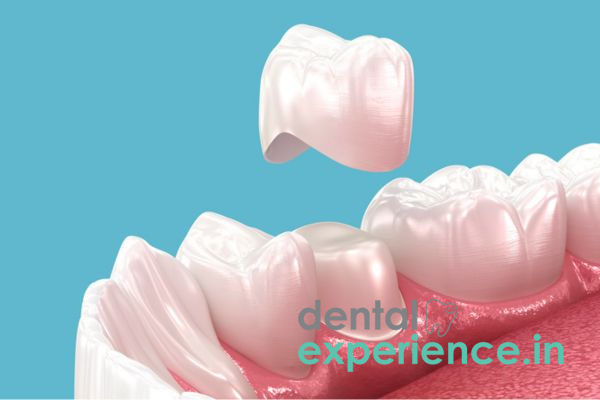
Made from a high-strength ceramic, zirconia, or a composite, Metal-Free Dental Crowns are new and improved restorations that not only look natural but are very durable as well. Unlike metal-based crowns, these restorations are aesthetically superior and biocompatible, making them the most favored option among patients and practitioners. Metal-free crowns also play an important role in modern dentistry, providing optimal function while giving the dentist the ability to place a crown on the natural tooth that blends in with the patient's other teeth, both functionally and aesthetically.

Why Is It Needed?

Metal-free crowns are used to restore damaged, decayed or weakened teeth while preserving their natural appearance. They are designed to:

  • Shield and strengthen teeth damaged by cavities or fractures.
  • Re-establish the functional capacity of used teeth.
  • Replace unsightly metal-based restorations to provide enhanced aesthetics for the smile.
  • Best for patients with allergies to metal.
  • Retention for dental implants and support for bridges.

Who Should Consider It?

Metal-free crowns are for those who:

  • Need a durable and visually appealing dental restoration.
  • Have visible or front teeth that require crowns for cosmetic reasons.
  • Have metal allergies or sensitivities.
  • Try to use biocompatible, non-toxic materials for dental work.

What are they and their types?

The various types of metal-free dental crowns are:

  • Zirconia Crowns – Excellent durability and appearance, can be used for both front and back teeth.
  • Lithium Disilicate (E-max) Crowns – Most aesthetic and translucent, used mainly on anterior teeth.
  • Porcelain Crowns – Offer great aesthetics but less durable than zirconia.
  • Composite Resin Crowns – Cost-effective, but not as durable as ceramic options.

How is the procedure done?

Getting a metal-free dental crown follows a series of steps:

  • Initial Consultation: The dentist evaluates the tooth, takes X-rays, and reviews the best crown choice.
  • Tooth Preparation: The damaged or decayed tooth portion is removed and the tooth is reshaped to fit the crown.
  • Impression: A digital or physical impression is taken, so your new crown is custom-fitted.
  • Placing Temporary Crown: Once the permanent crown is created in a dental lab, a temporary crown is placed on the affected tooth.
  • The Permanent Crown Cementation.
  • Final Adjustments: The doctor evaluates the bite and makes final adjustments to ensure optimal fit.

What are the benefits?

Here are some advantages of metal-free crowns:

  • Aesthetics that blend seamlessly with natural teeth.
  • High-quality durable materials promise long-lasting results.
  • Biocompatible, less chance of allergies and gum irritation.
  • Offers stain resistance for a whiter, long-lasting smile.
  • Increased comfort with an ergonomic fit and comfortable surface.

What are its advantages over others?

When compared to metal or porcelain-fused-to-metal (PFM) crowns, many patients prefer the following about metal-free crowns:

  • Enhanced Aesthetics: No visible metal lines or dark margins.
  • Superior Light Transmission: Imitates the transparency of natural enamel.
  • No Allergic Reactions: Best for metal-sensitive patients.
  • Improved Bond Strength: Very strong bond with dental cement, limiting the risk of failure.

How long does it last?

With proper care, metal-free dental crowns will typically last from 10 to 15 years. Zirconia crowns, in particular, have high fracture resistance and can last even longer, giving them a reliable long-term investment.

How long does the procedure take?

  • Single visit (CEREC technology): Some dental offices offer same-day crowns using CAD/CAM technology.
  • Traditional process: The entire process takes typically 1-2 weeks with multiple visits for preparations, impressions, and placing the device.

What is the cost of Metal- Free Dental Crowns in India?

The cost of metal-free dental crowns depend on several factors including:

  • Type of material (Zirconia, E-max, Porcelain, etc.).
  • The location of the clinic and the expertise of the dentist.
  • Different types of technology used (Traditional vs. CAD/CAM-based crowns)

Average Price Range:

  • Zirconia Crowns: ₹8,000–₹25,000 per tooth.
  • E-max Crowns: ₹12,000 – ₹30,000 per tooth.
  • Porcelain Crowns: ₹7,000 – ₹20,000 per tooth.


What are the Risks and Complications?

Generally, metal-free crowns can be safely used, but there are possible risks:

  • Chipping or cracking when excessive force is applied.
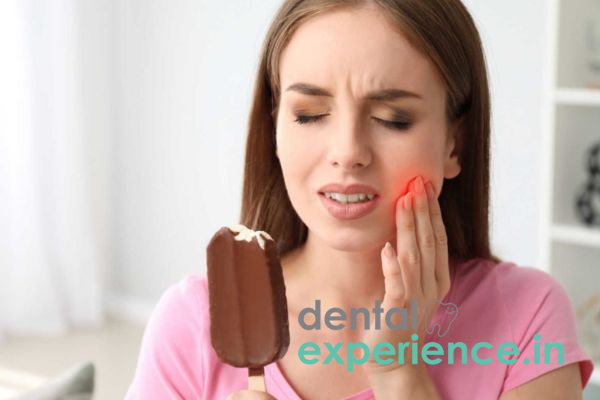
  • Sensitivity after getting a dental crown.
  • Improper fit cause discomfort or bite issue.
  • Gum irritation in rare cases.

What are the Downsides?

Despite their advantages, metal-free crowns do come with some disadvantages:

  • More expensive than conventional PFM or metal crowns.
  • Not as strong as metal crowns for very heavy chewing forces.
  • Can break if not maintained properly.

What are the alternatives?

For patients who are not candidates for metal-free crowns, options include:

  • Porcelain-Fused-to-Metal (PFM) Crowns: Strong, but can reveal a metal portion over time.
  • Gold or Metal Crowns: Good for strength, poor for aesthetics.
  • Dental Bridges: If several teeth are missing then bridge can be a better option.
  • Dental Veneers: Ideal for small cosmetic corrections.

How To Care For Yourself Post-Treatment?

Some care tips to ensure long life of a metal-free crown are as follows:
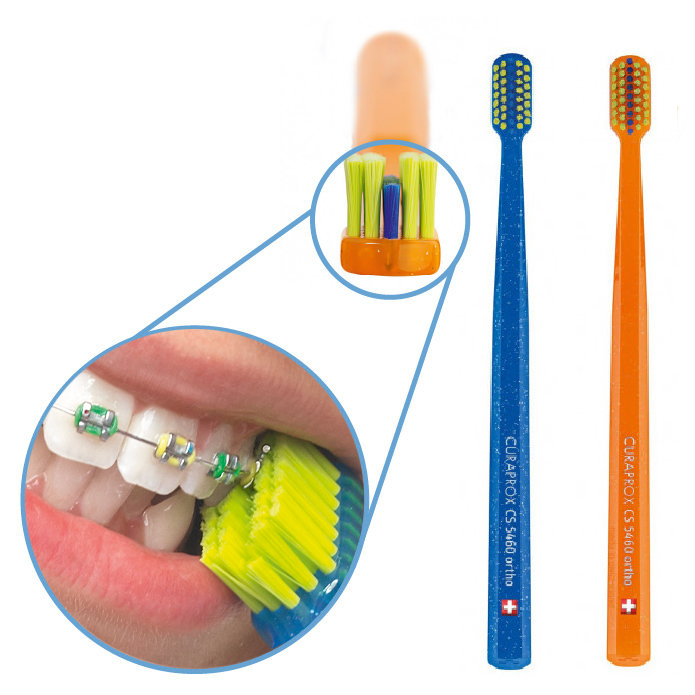
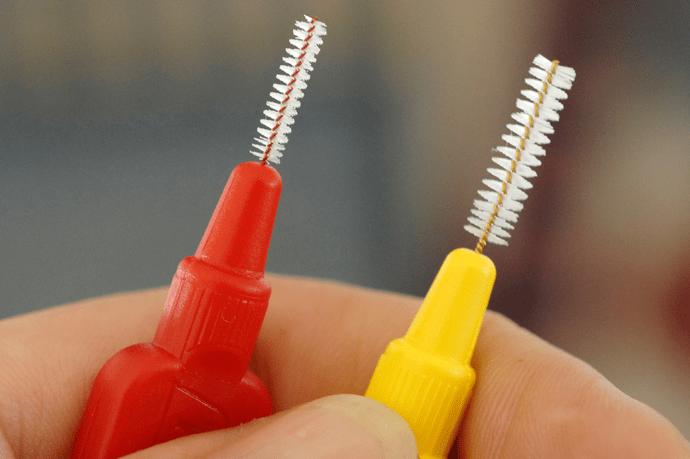
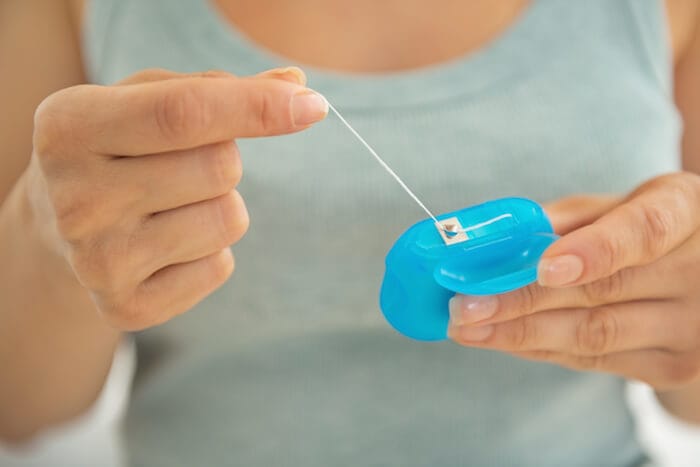
  • Practice oral hygiene: Brush your teeth twice a day and floss regularly.
  • Avoid hard foods: Avoid chomping down on hard candy or ice that can crack them.
  • Wear a night guard: If you grind your teeth, a mouthguard can safeguard the crown.
  • Regular dental visits: Ensure the crown lasts forever with the check-ups every 6 months.

Related Articles

Load More Articles

Our Store

Call Us Make an Appointment