loader

Metal Fused Ceramic Dental Crowns

Home› Treatments› Metal Fused Ceramic Dental Crowns
Metal Fused Ceramic Dental Crowns Treatment
Watch Video
Authored by Dr. Sreeja Aravind
Reviewed by Dr. Seby Varghese

Fast Facts

99% say it's "Worth It"
4000/- to 9500/-
Longevity: Long term
Duration: 3-5 Days

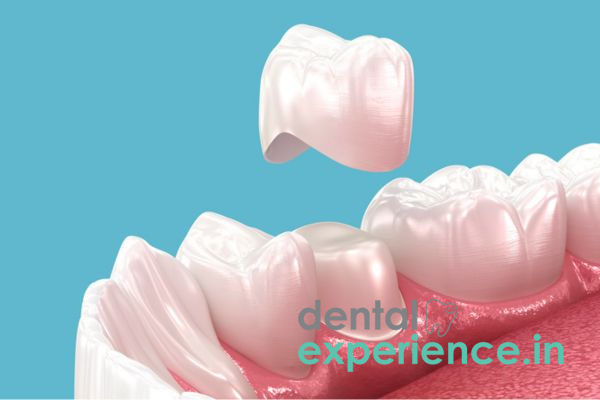
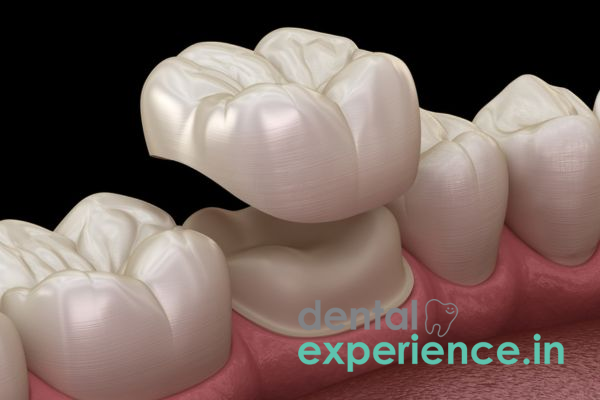
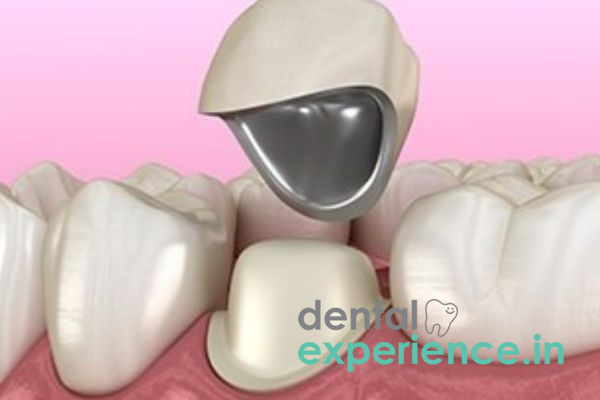
A Metal Fused to Ceramic Crown (also known as Porcelain-Fused-to-Metal or PFM crown) is a type of dental crown that combines the strength of a metal base with the natural appearance of ceramic. This crown is designed to restore and protect damaged, decayed, or root canal-treated teeth while providing an aesthetic, tooth-colored finish.

The inner layer is made of a durable metal alloy, offering high strength and support, while the outer layer is coated with tooth-colored ceramic to blend seamlessly with surrounding natural teeth.

Questions & Answers

QHow many times can you replace a crown? How much does it cost for crown in Kochi, Kerala?
QWhy does my tooth which has a crown hurt when I bite down? Can you eat chips with a crown?
QDo you provide a warranty for the crown that costs Rs. 2,500?
QI noticed there's a price range mentioned, what would be the difference between a crown that costs Rs. 2,500 and one that costs Rs. 7,500? How much of a difference would it make between them?
Ask Your Question
Share this page
What are Metal Fused Ceramic Dental Crowns?

The metal fused ceramic dental crowns are also known as porcelain-fused-to-metal (PFM) crowns and are widely used. Porcelain-fused-to-metal crowns have a durable metal core that is covered with a tooth-colored ceramic layer. Porcelain-fused-to-metal crowns are commonly used to restore damaged, decayed, or weakened teeth, as they provide both functionality and a natural appearance.

Why Is It Needed?

Their main purpose is to restore the strength of belly teeth stool and protect the affected teeth, restoring their natural appearance and function. They are often indicated in cases of:

  • Severe tooth decay.
  • Fractured or chipped teeth.
  • Root canal-treated teeth.
  • Cosmetic enhancements.
  • Support for dental bridges.

These crowns act as a barrier which protects against additional degradation and enhances dental well-being.

Who Should Consider It?

A dental crown that is made in this process is appropriate for those who:

  • Have teeth that are broken or weak that need to be repaired.
  • Require durable dental restorations.
  • Desire for aesthetics and strength balance.
  • Underwent root canal therapy and require crown restoration.
  • Have a dental bridge or a large filling.

Patients who have severe bruxism (teeth grinding) also usually warrant further evaluation because excessive force which constantly wears on the ceramic layer can wear down over time.

What are the Different Types?

There are different forms of metal fused ceramic crowns based on the metal base used. These include:

  • Non-precious metal alloy PFM crowns – Consists of base metals such as nickel or chromium, providing cost-effective durability.
  • Noble metal alloy PFM crowns – Also called semi-precious, they are composed of a mixture of noble metals such as palladium for better biocompatibility.
  • Precious metal alloy PFM crowns – Made with gold alloys, considered one of the best choices due to its longevity and decreased instances of allergic reactions.

How is it done?

Getting a metal fused ceramic crown is a step by step process:

  • Initial Consultation: The dentist will examine the tooth and use X-rays to assess the tooth.
  • Tooth preparation: The tooth is prepared and shaped to accept the crown and is then used to take molds.
  • Placing Temporary Crown: After preparing your tooth, a temporary crown is placed over it until the permanent one is made in a lab. This also creates a translucent appearance, achieving the same effect as healthy enamel.
  • Insertion and Bonding: After adjustments are made, the temporary crown is removed and the new one is bonded in.

What are the benefits?

Advantages of using metal fused ceramic crowns include:

  • Durable & Strong: The metal core provides solid support.
  • Aesthetics: The ceramic layer mimics natural teeth.
  • Biofriendlyness: Safe for most oral tissues and long-term use.
  • Enhanced Chewing Function: Restores proper bite function.
  • Customization: Comes in various shades to blend with natural teeth.

Why is it better than other alternatives?

Compared to alternatives like all-metal crowns or all-ceramic crowns, metal fused ceramic crowns provide:

  • Superior strength characteristics whilst being aesthetically pleasing than that of metal crowns.
  • Stronger than all-ceramic crowns, so for molars their the best.
  • Cost-effective option, cheaper than zirconia or gold crowns.

How long does PFM crown last?

With good care, metal fused to ceramic crowns will last on average 10-15 years or more. The following factors are associated with increasing longevity:

  • Oral hygiene habits Chewing and biting forces (special emphasis on material quality and dental work precision).
  • Regular dental check-ups.

How long does the procedure take?

The steps involved in getting a metal fused ceramic crown generally take 2-3 weeks:

  • First appointment: Tooth reduction and taking an impressions.
  • 2nd Visit (1-2 weeks later): Crown cementation and adjustments.

In some dental clinics, CAD/CAM technology is used to make crowns in a single appointment; therefore, the wait time is shorter.

What is the cost of Metal Fused Ceramic Crowns in India?

  • Standard PFM crowns: ₹3,000 – ₹7,000 per tooth.
  • PFM crowns using precious metals: ₹10,000 – ₹25,000 per tooth .

Extra charges for diagnostic tests, consultations, and preparing processes may apply.

What are the Risks and Complications?

Potential risks include:

  • Chipping of the ceramic layer due to excessive biting pressure.
  • Allergic reactions to metal crowns.
  • Minor gum irritation, or mild inflammation, after placement.
  • Crown loosening if not adequately bonded.


Are there any downsides?

Although metal fused ceramic crowns may offer some advantages, they too come with limitations:

  • Aesthetic Concerns: There may be a slight grayish cast at the gum line.
  • Risk of Chipping: A ceramic coating can wear off over time.
  • Not for Patients with Allergy: They are not ideal for patients allergic to metals.

What are the Alternatives?

Alternatives include:

  • Zirconia Crowns – Stronger, more aesthetic since they are metal-free but more expensive.
  • Porcelain Fused to Metal Crowns: Natural-looking but less aesthetic.
  • Gold Crowns: Durable but pricey and less natural.
  • Resin Crowns: Less expensive but not as durable or stain-resistant.

How to care after the Treatment?

Here are some tips to help you take care and maintain your metal fused ceramic crown:

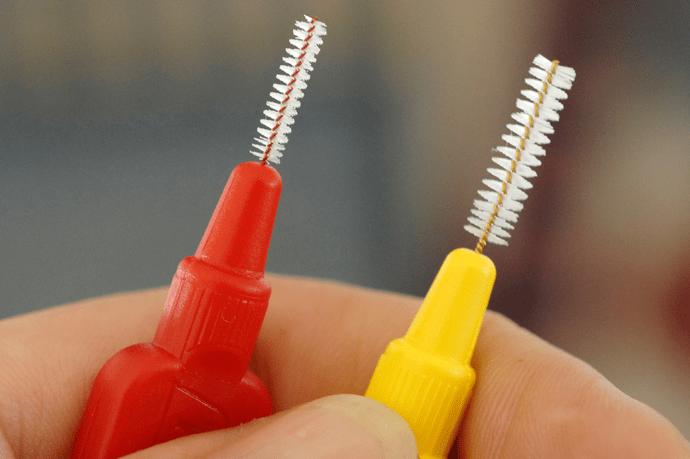
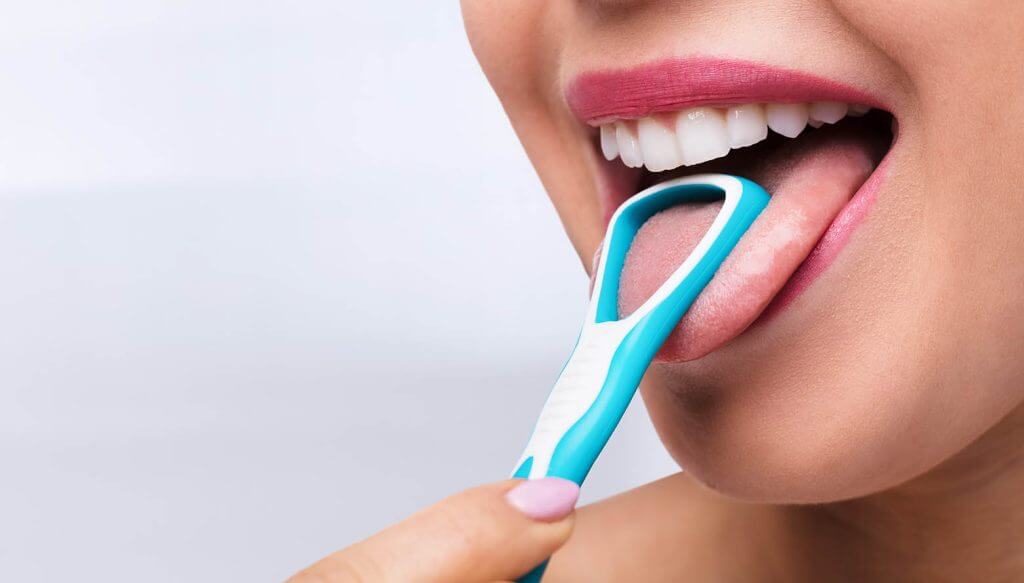
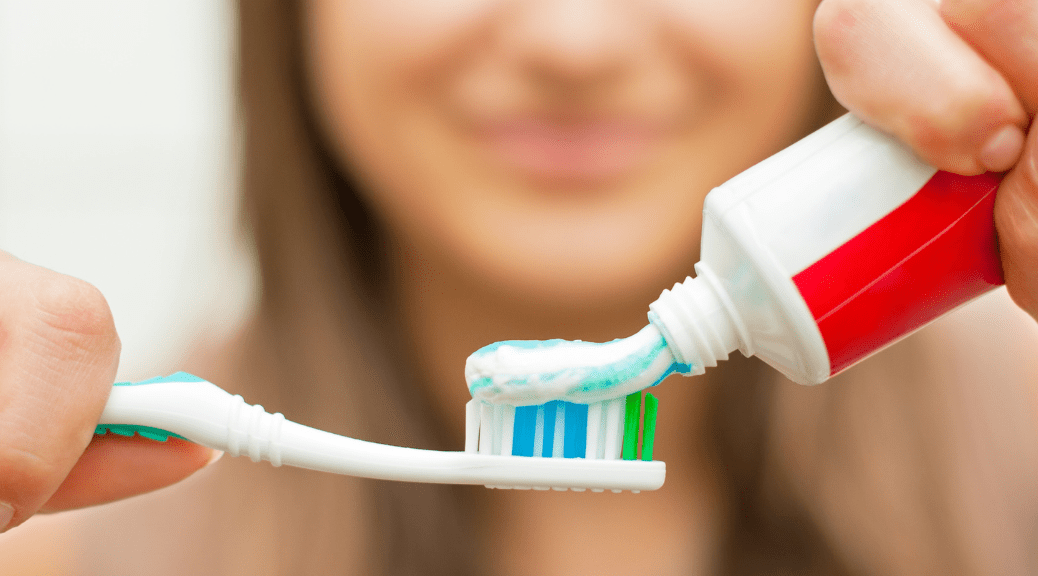
  • Use a fluoride toothpaste and brush twice daily. When flossing you should floss around the crown regularly to avoid plaque buildup around the crown.
  • Do not chew hard foods, ice, or use your teeth as tools.
  • Get your teeth check ups every 6 months.
  • Avoid chewing hard foods until the discomfort is resolved, and monitor the crown for looseness, addressing any signs promptly.

Related Articles

Load More Articles

Our Store

Call Us Make an Appointment